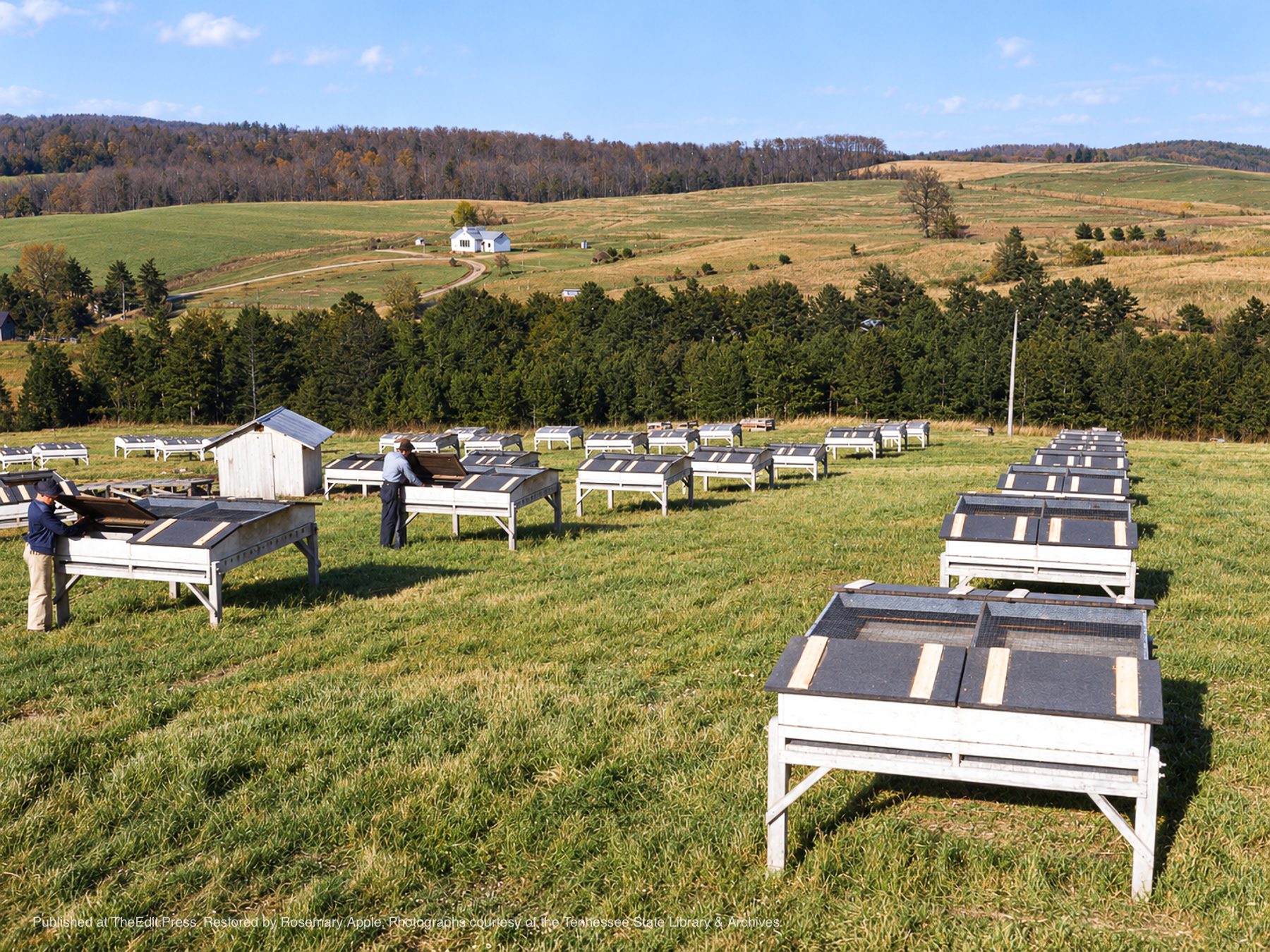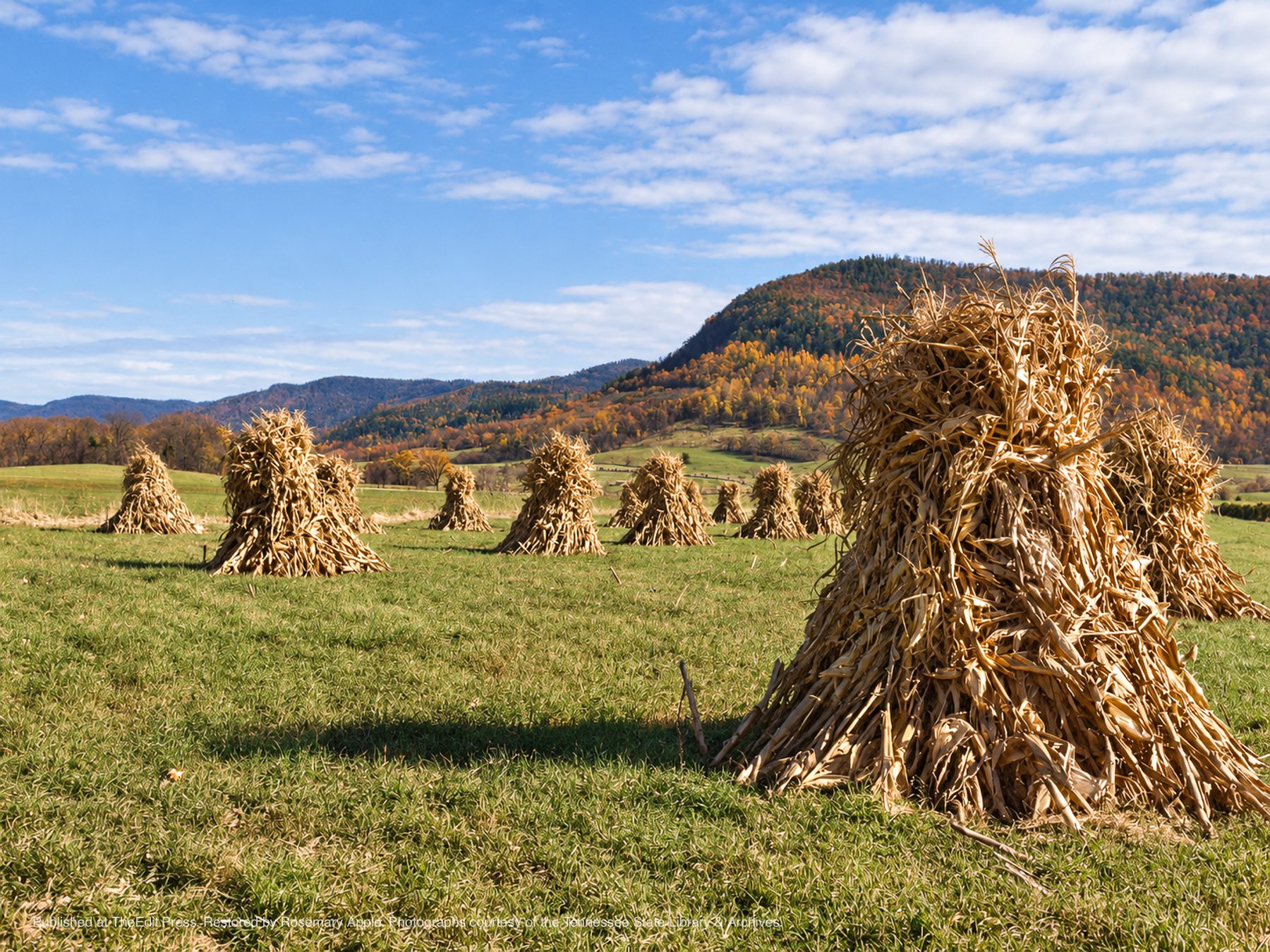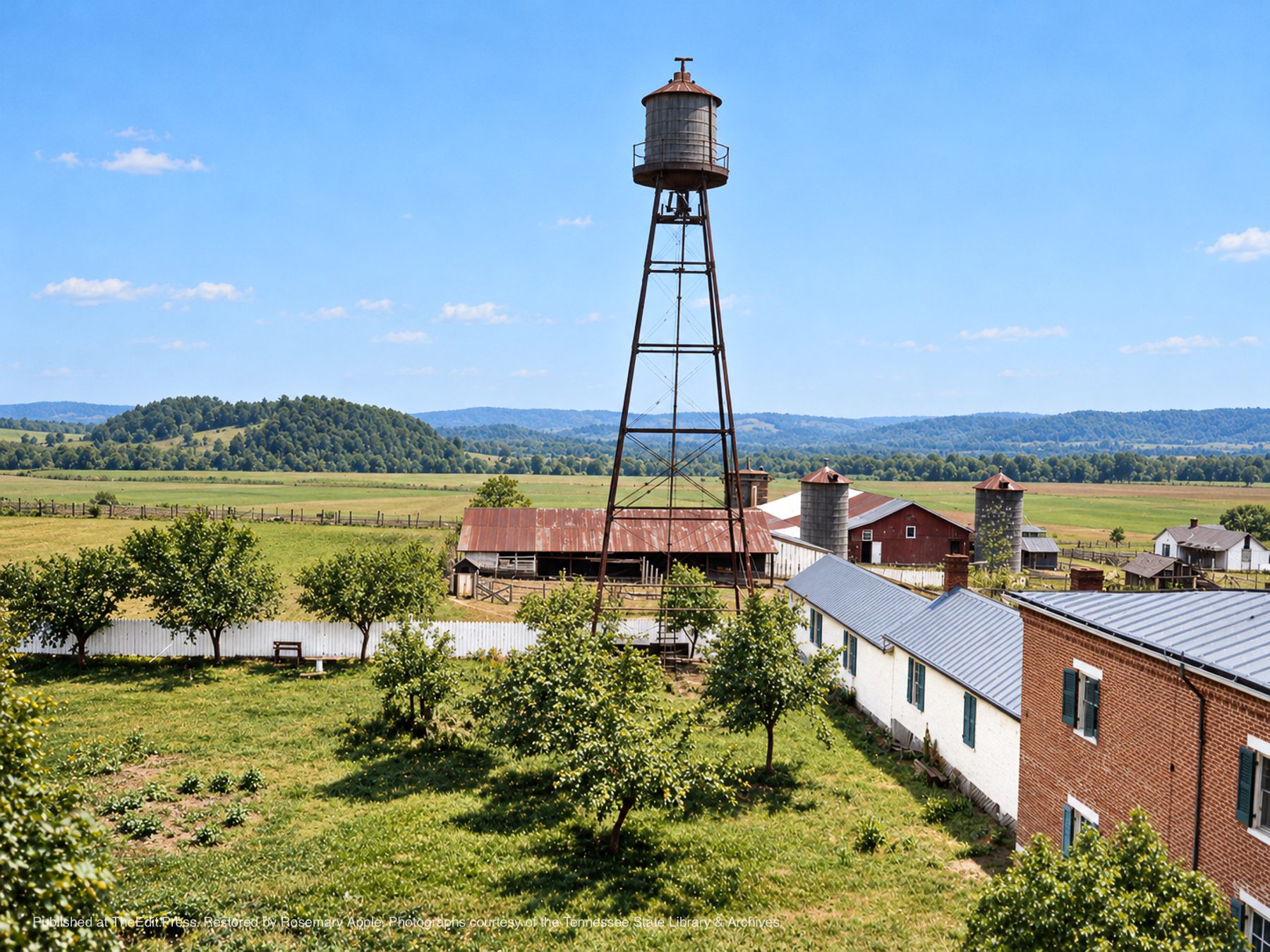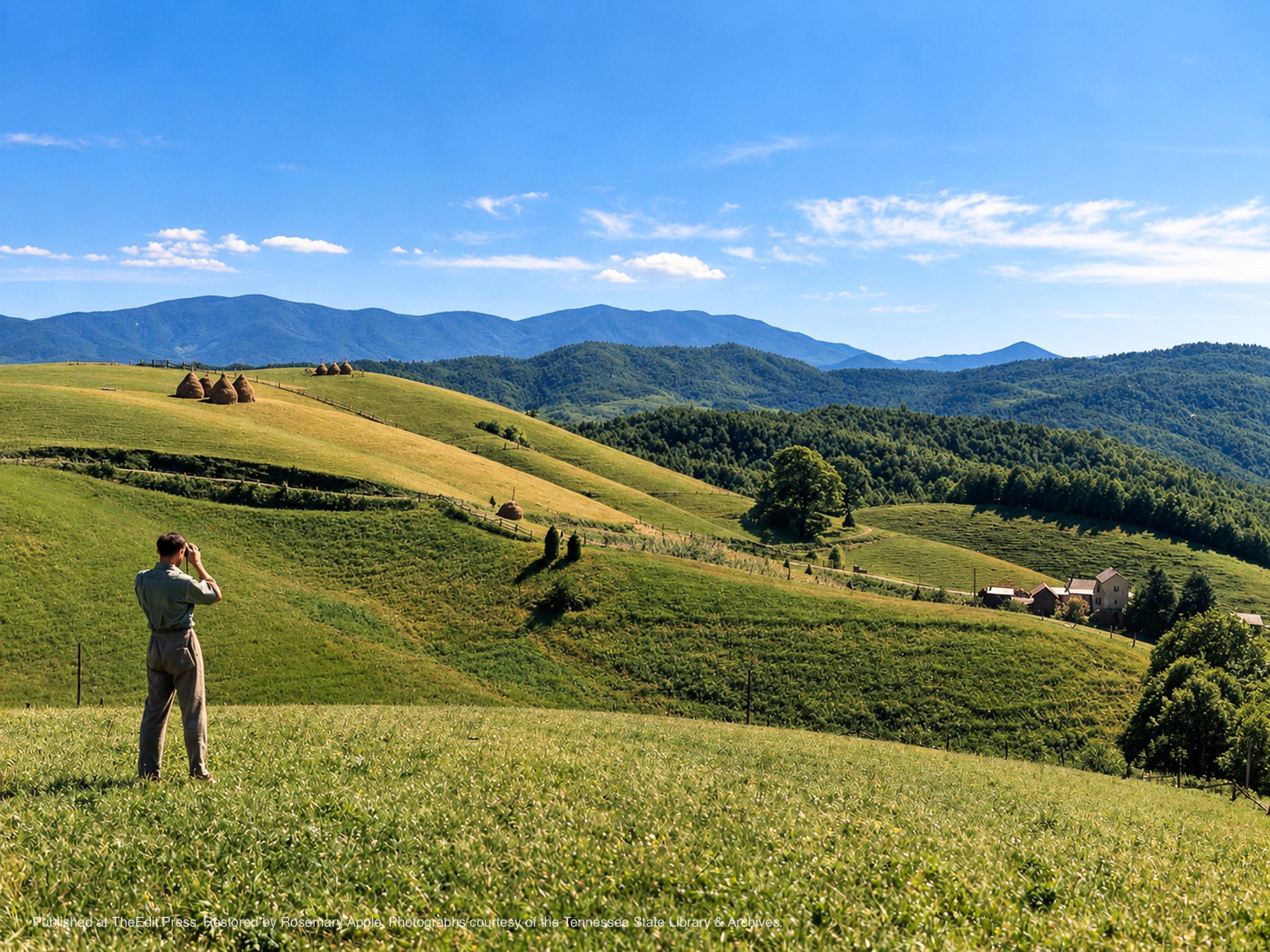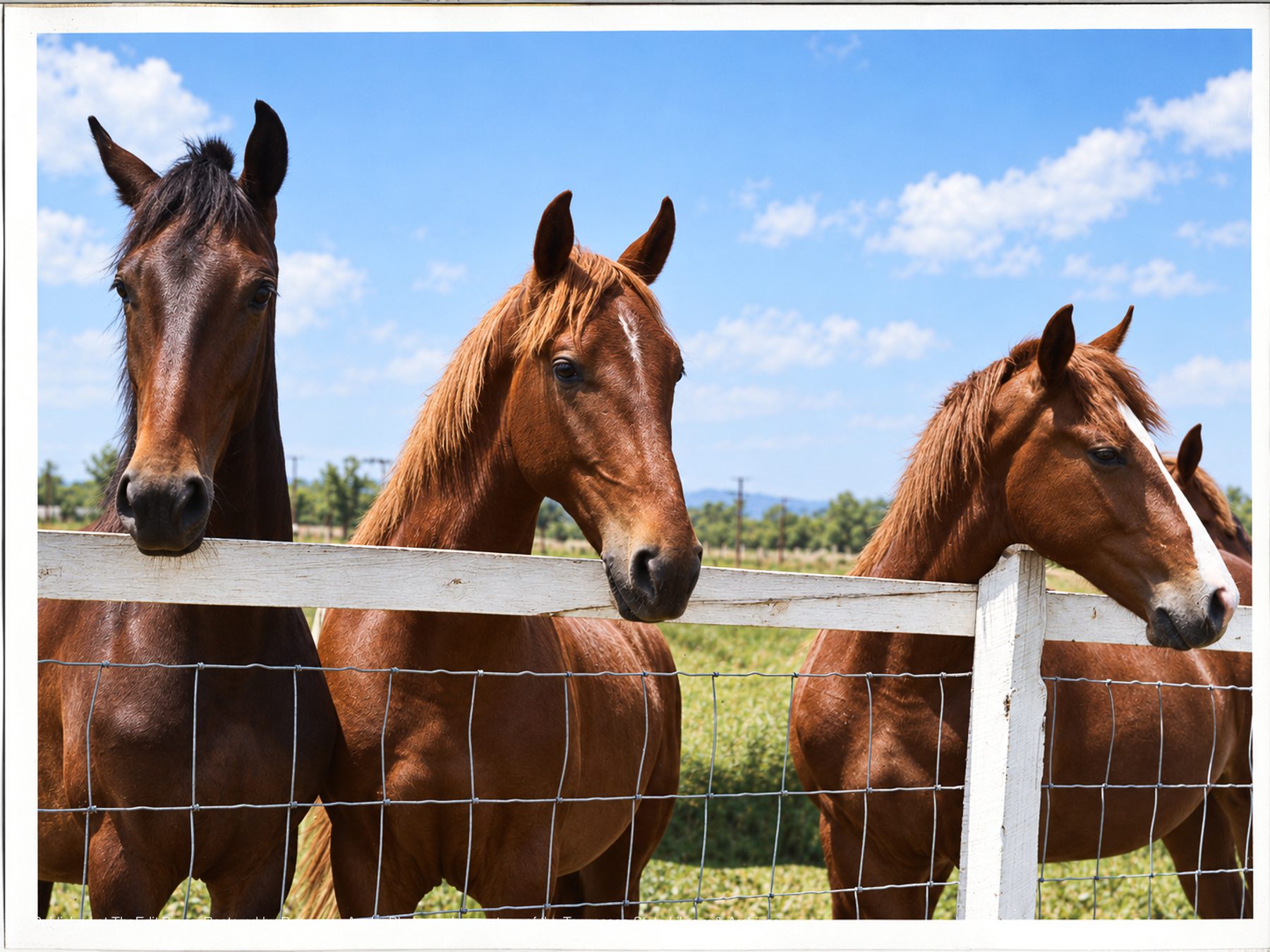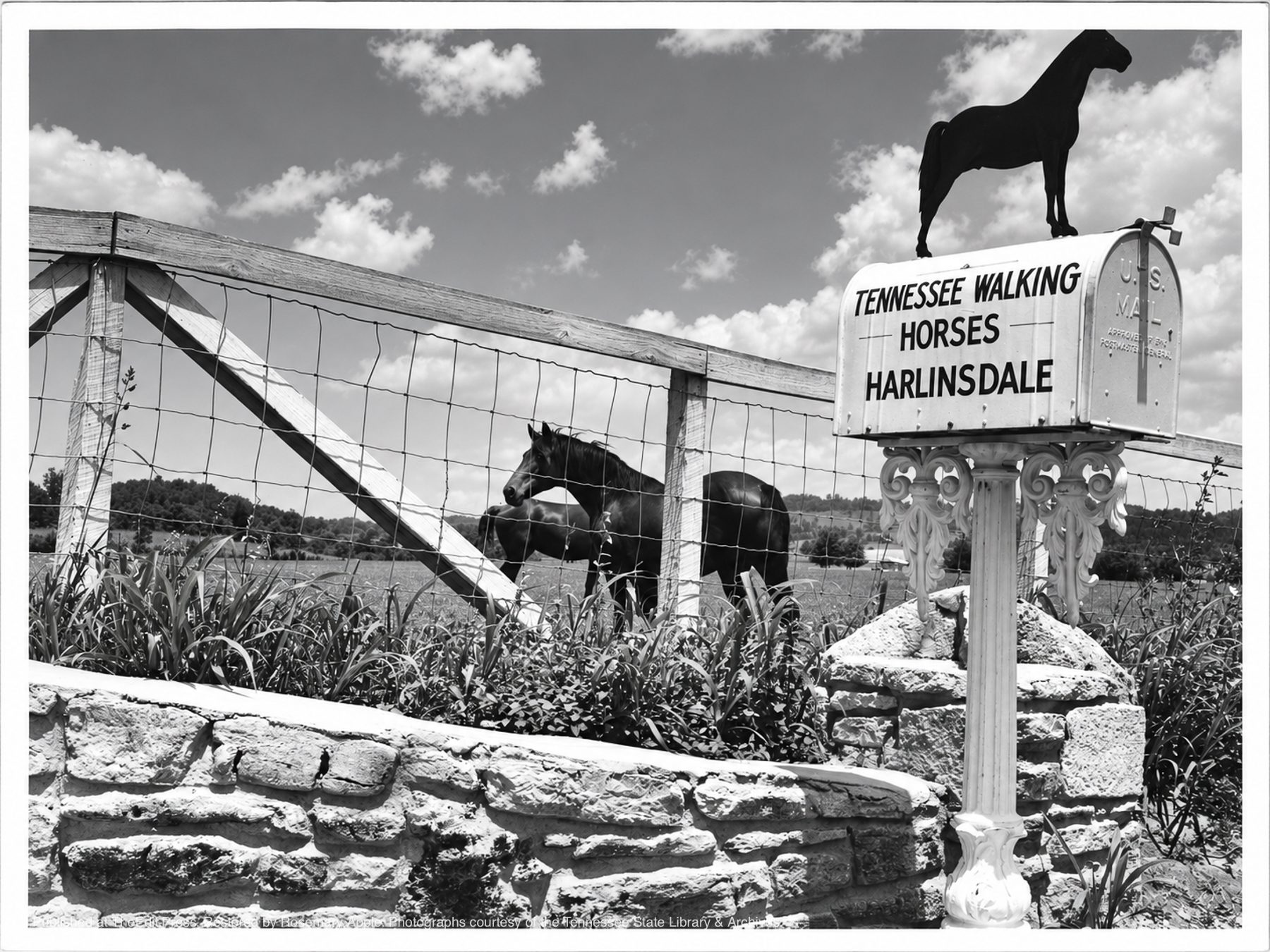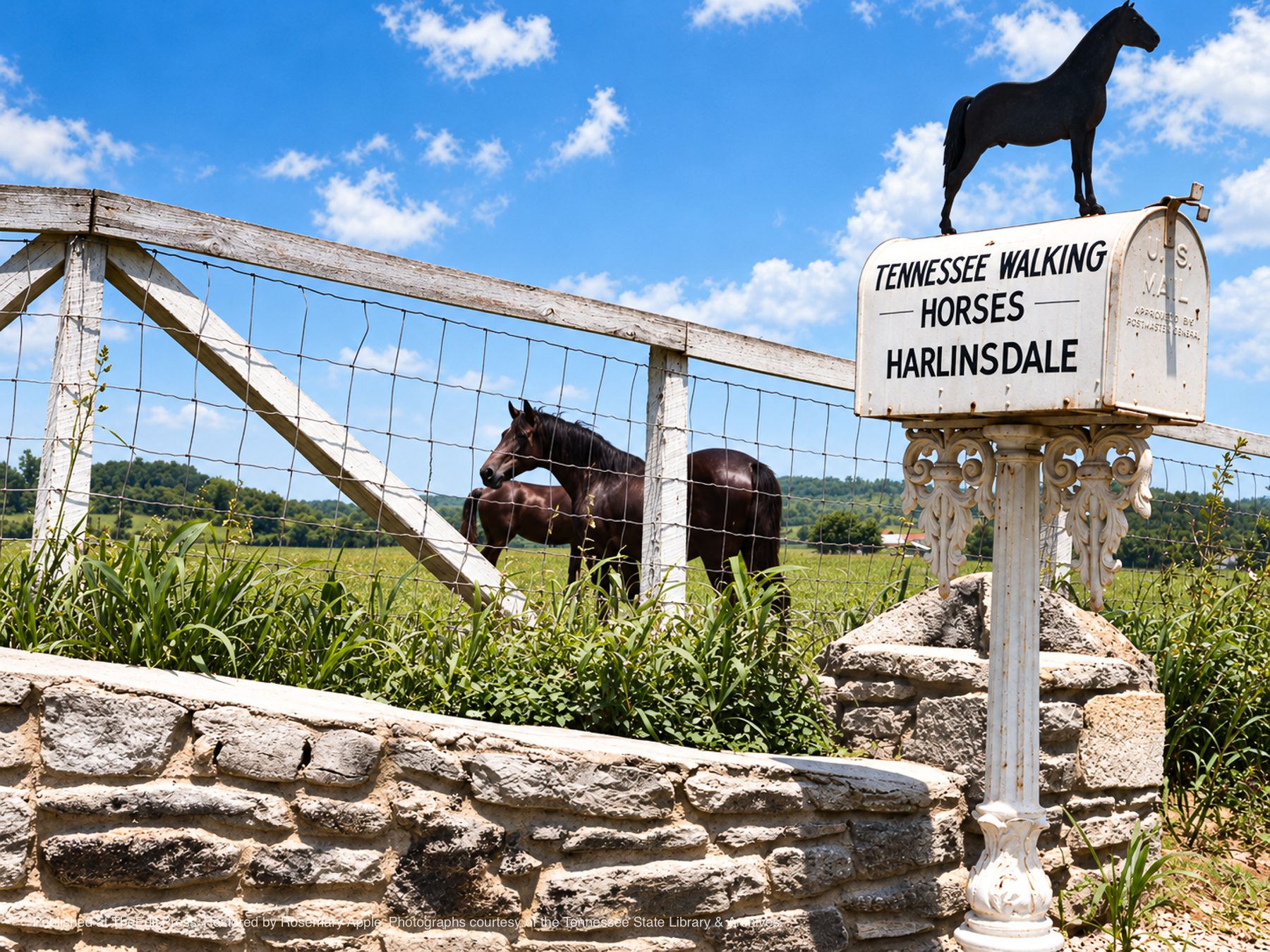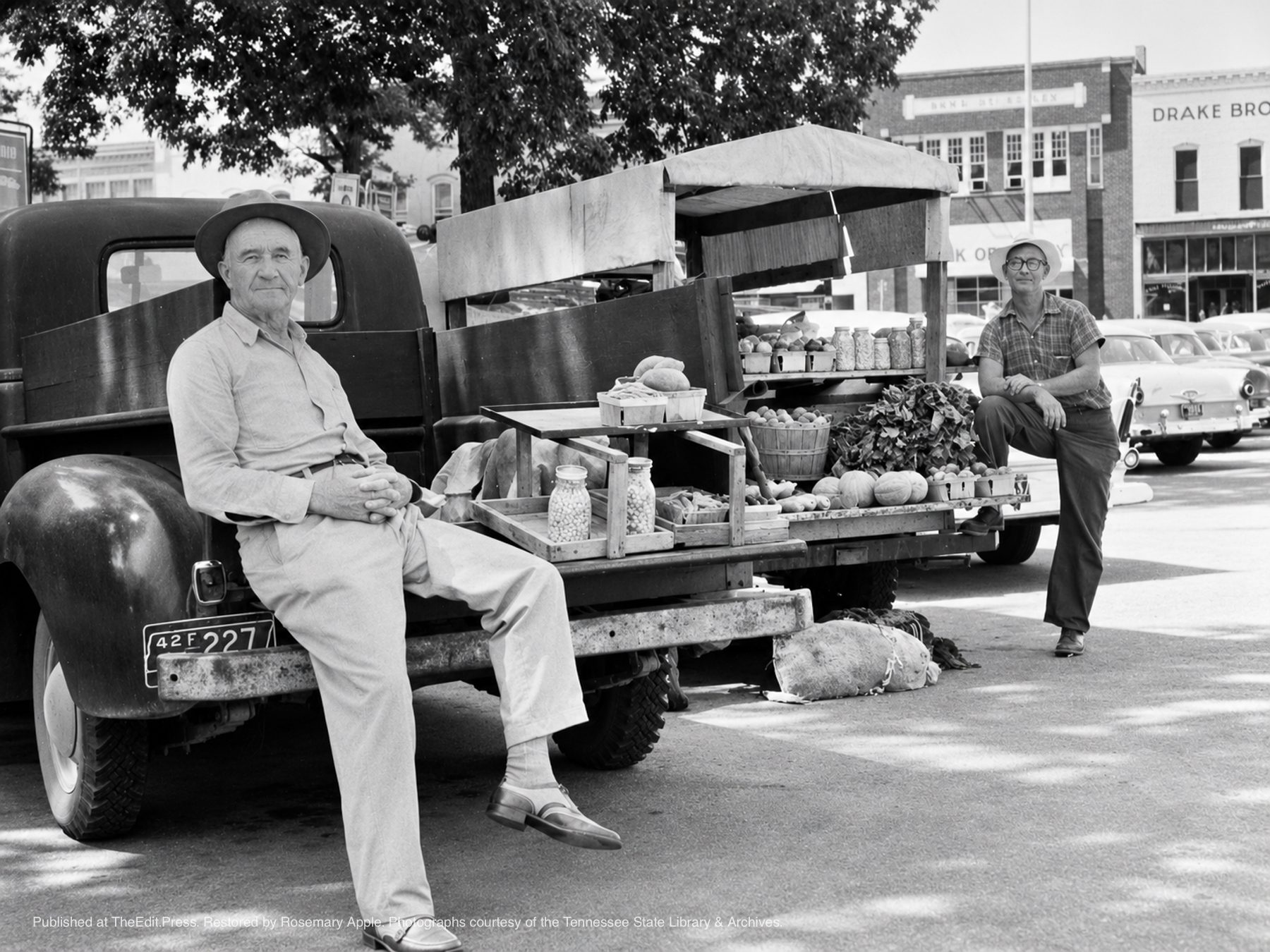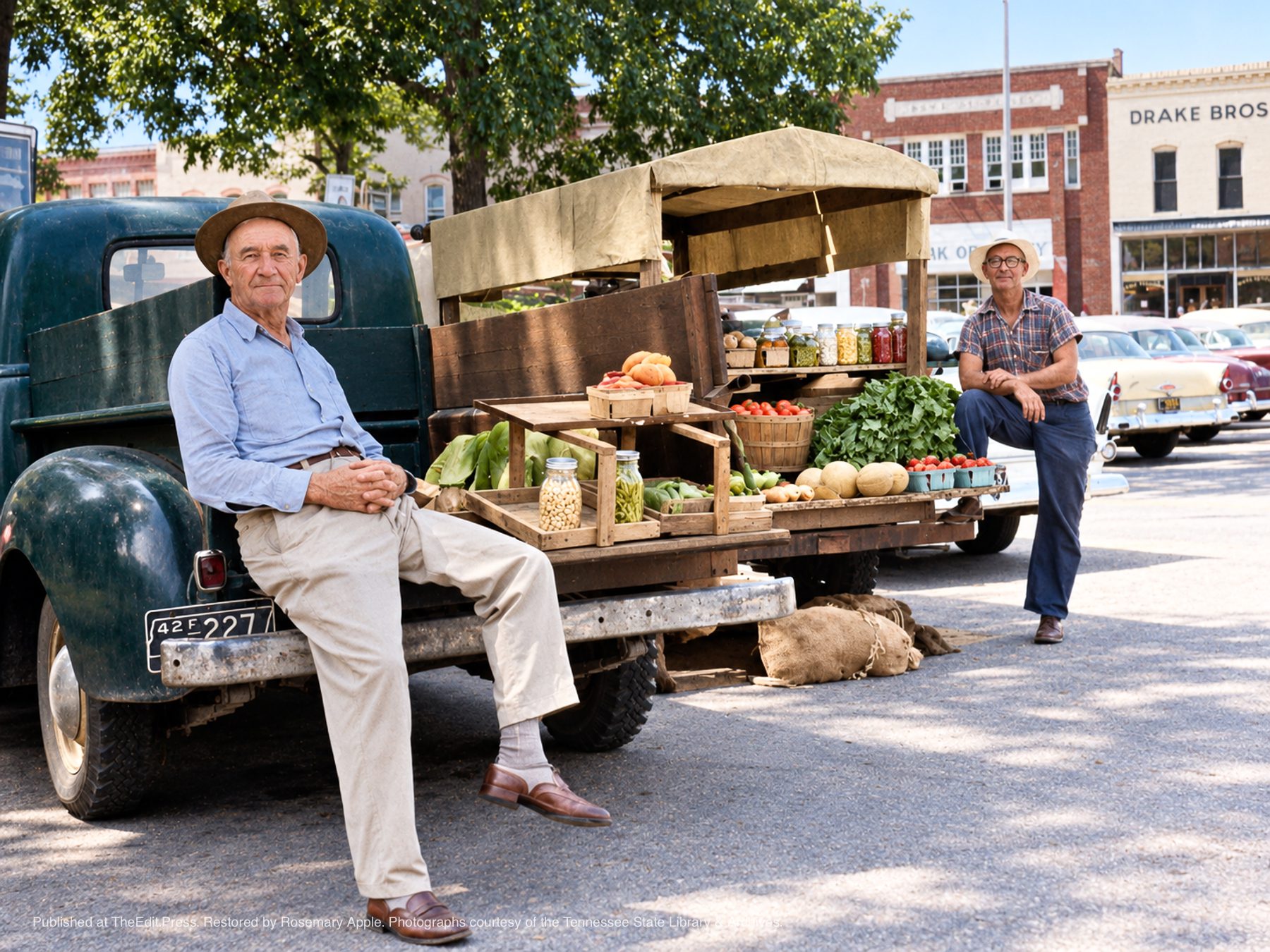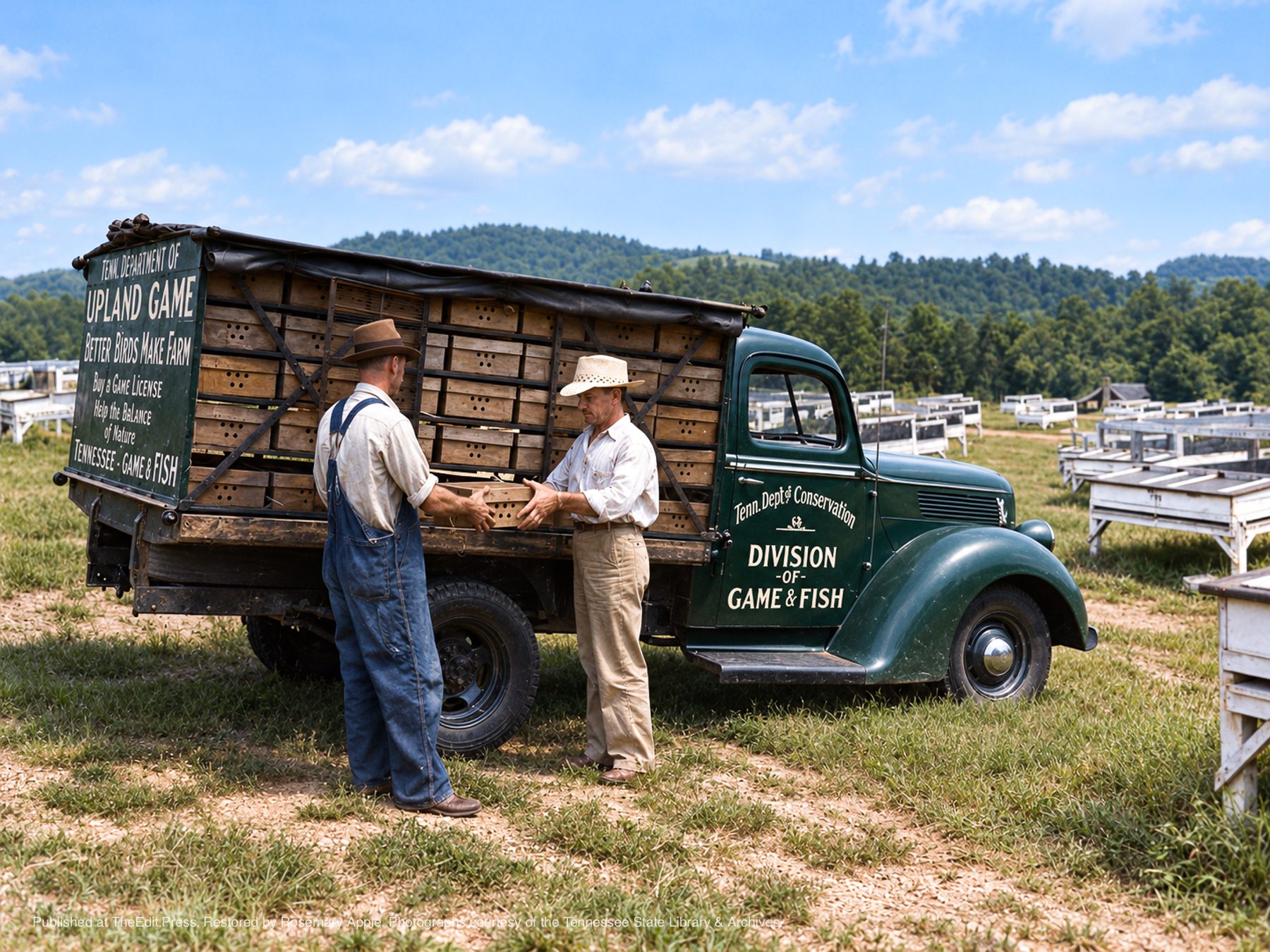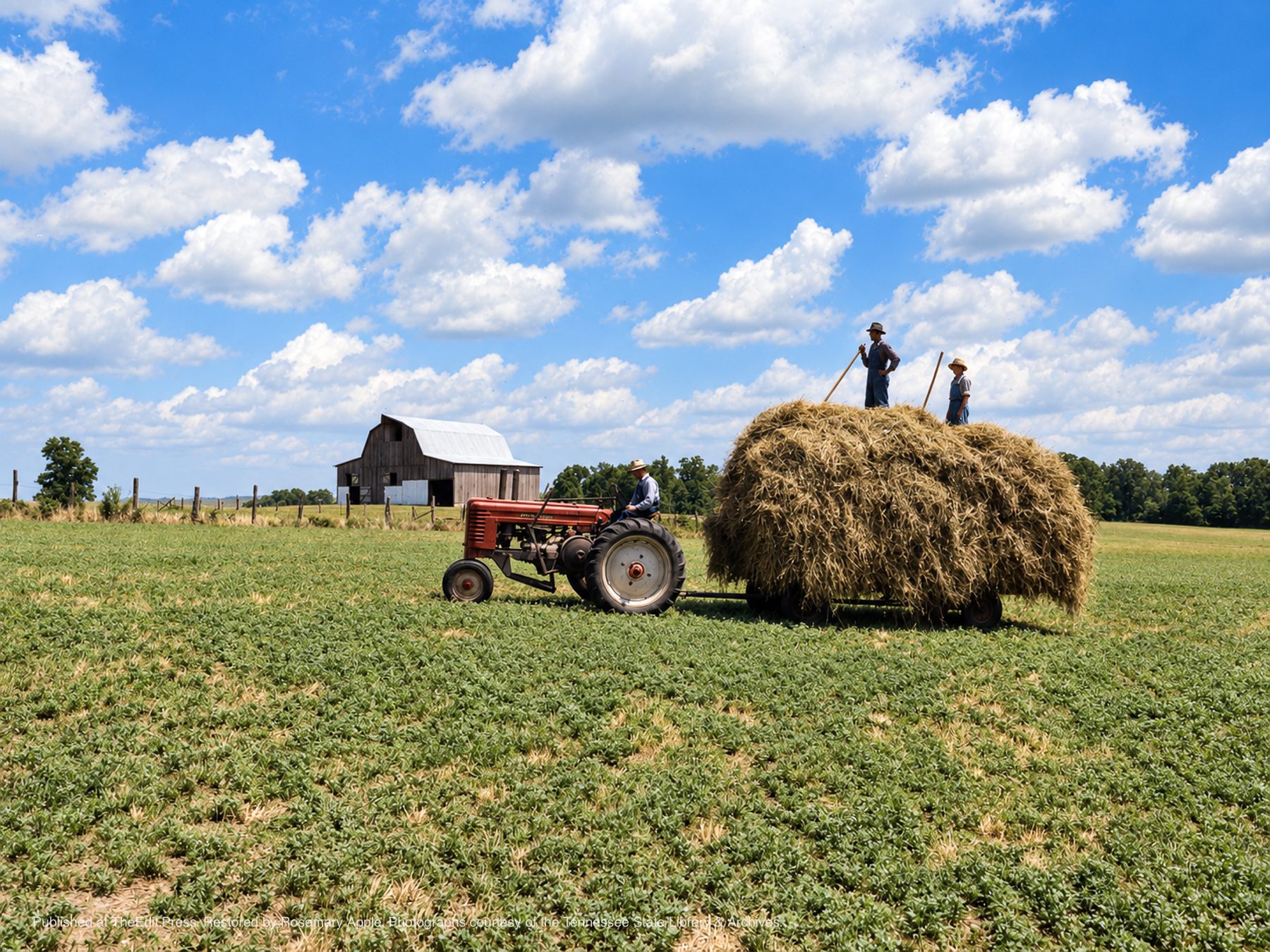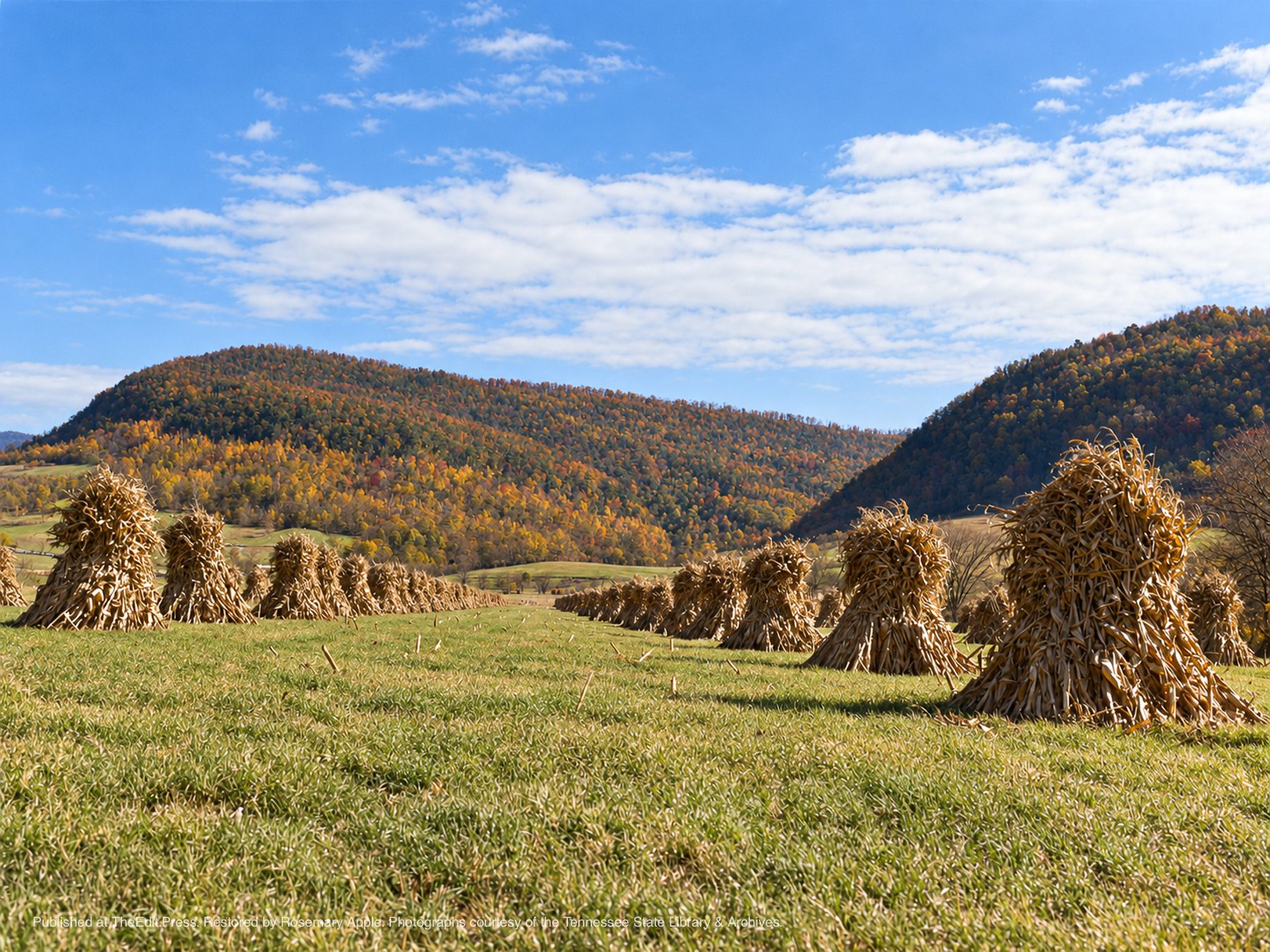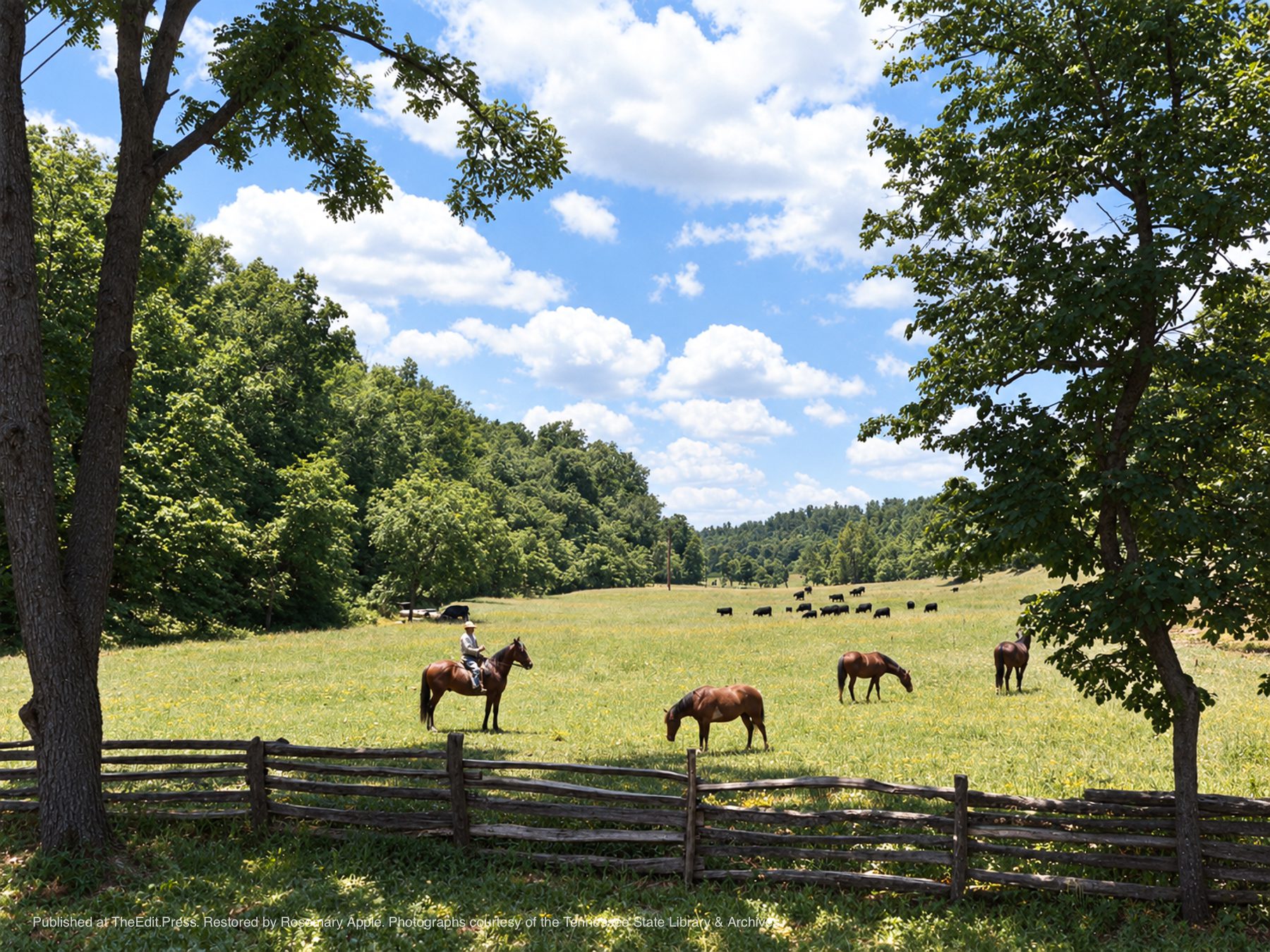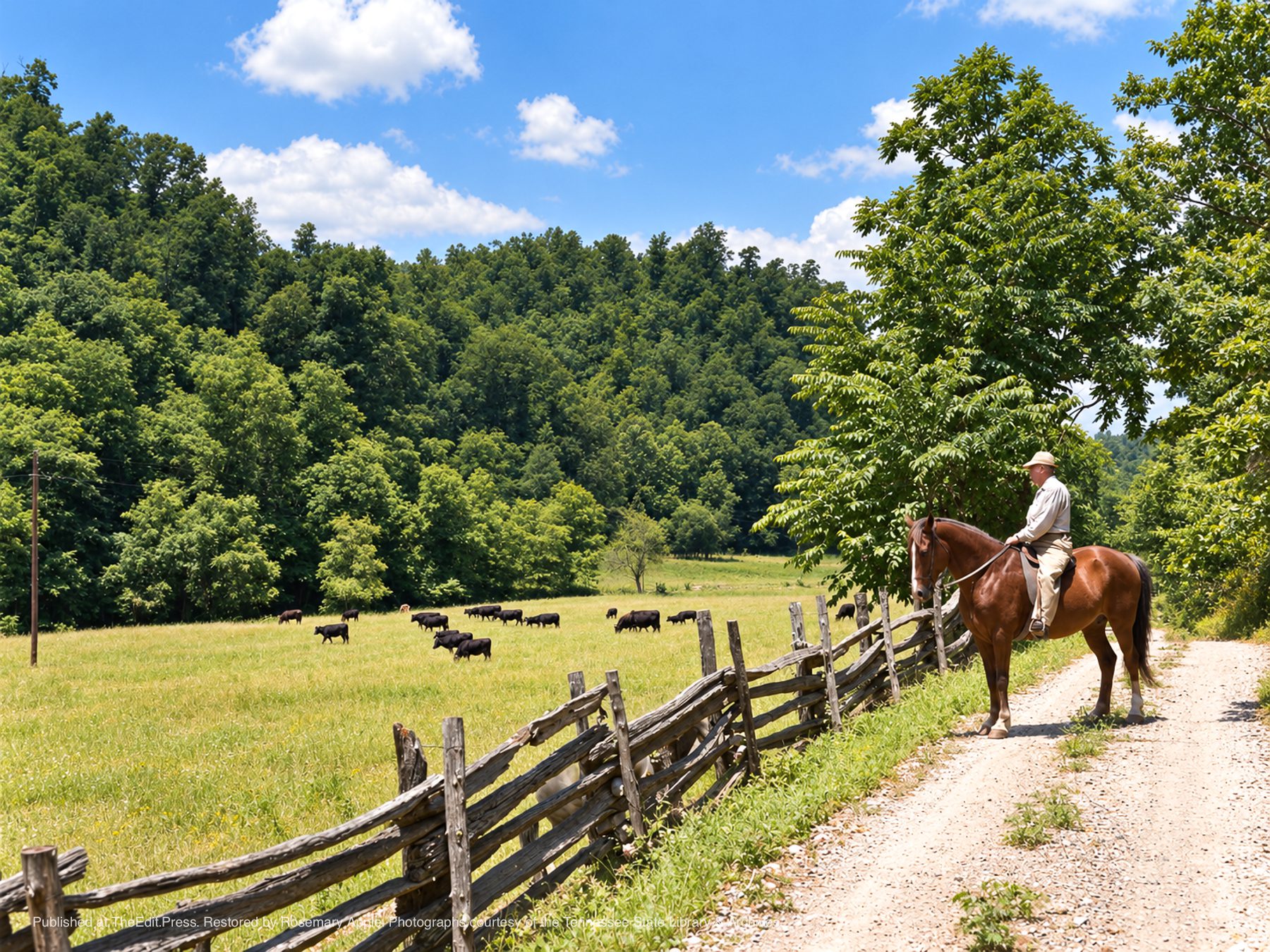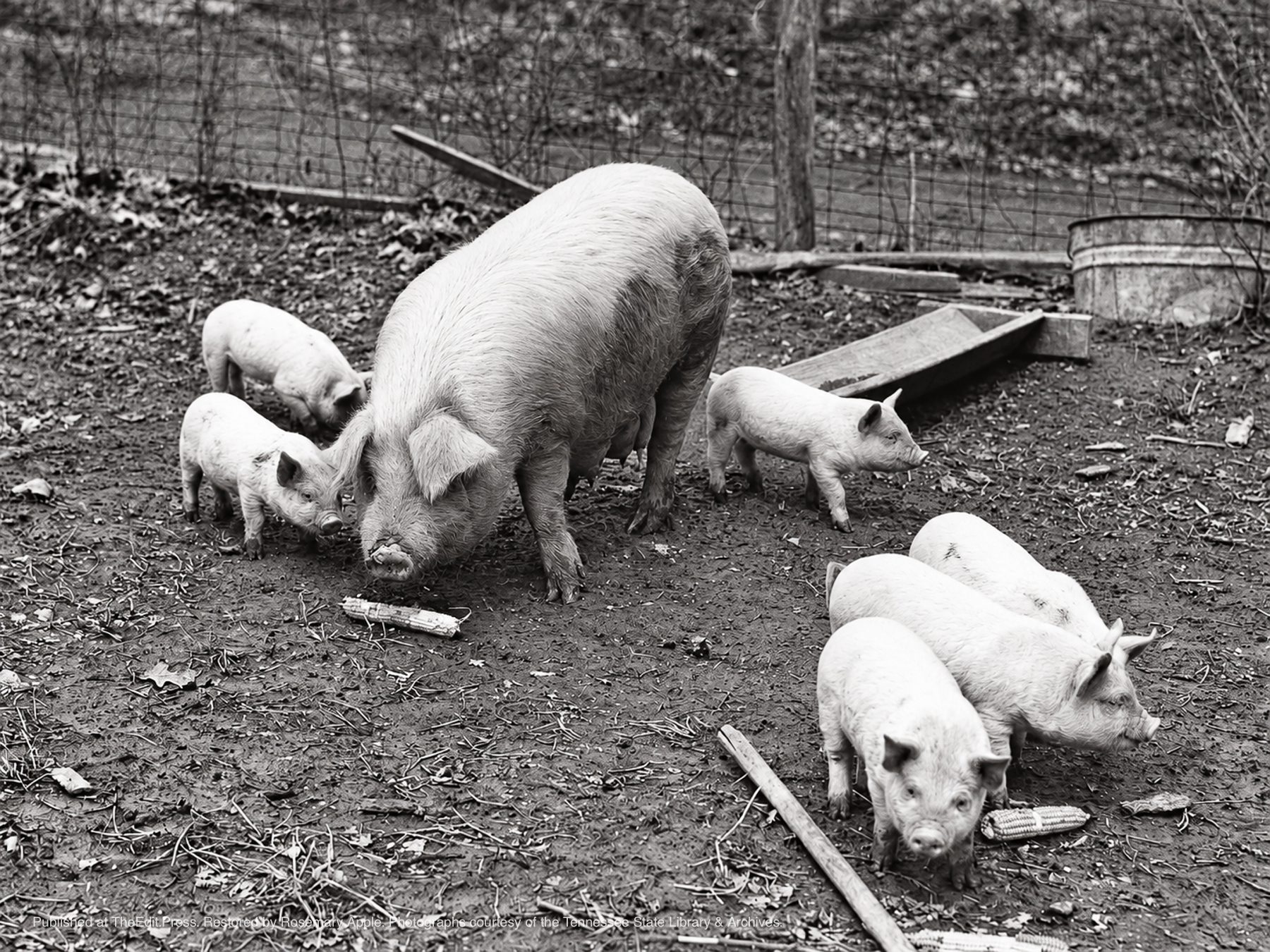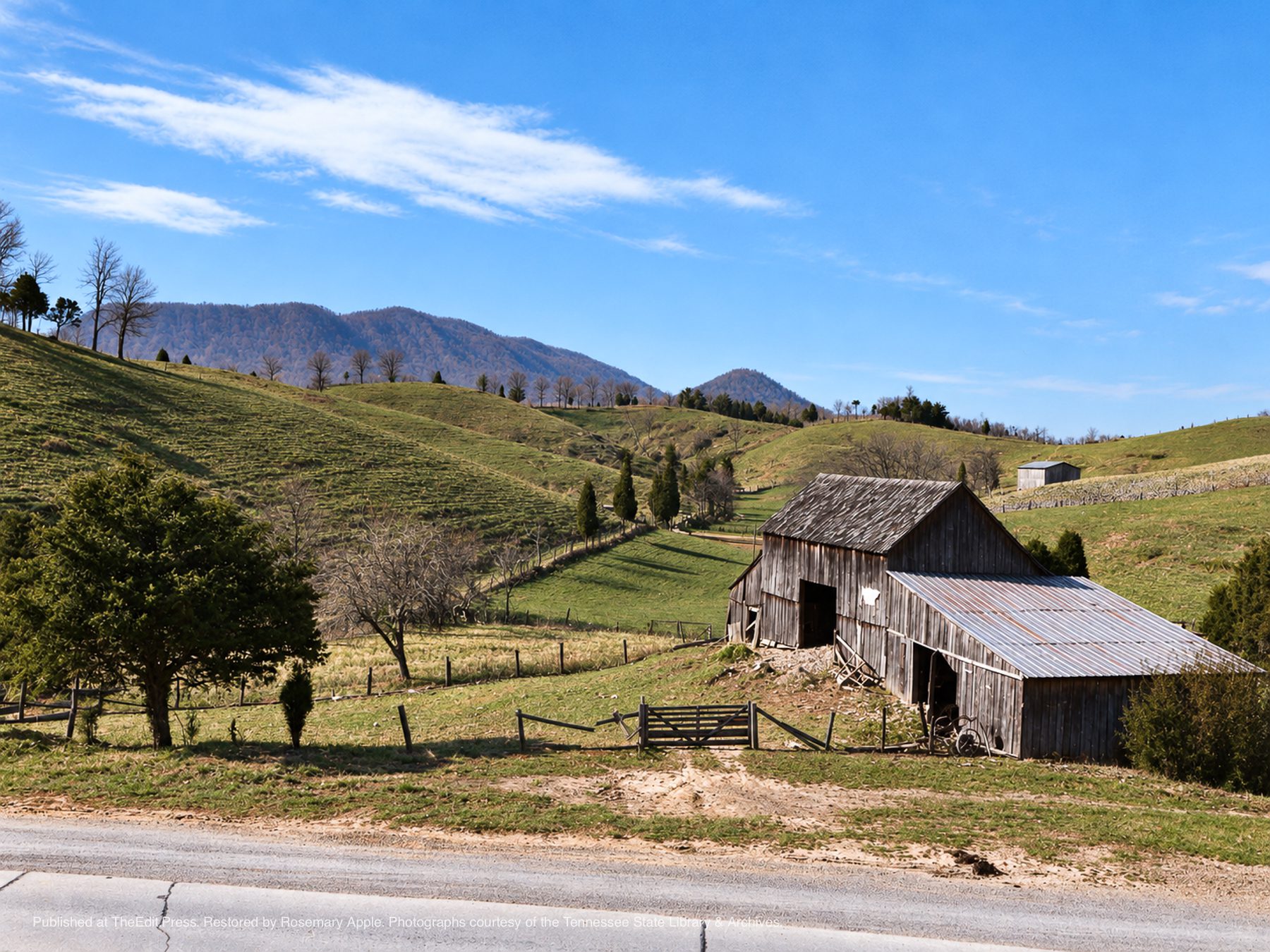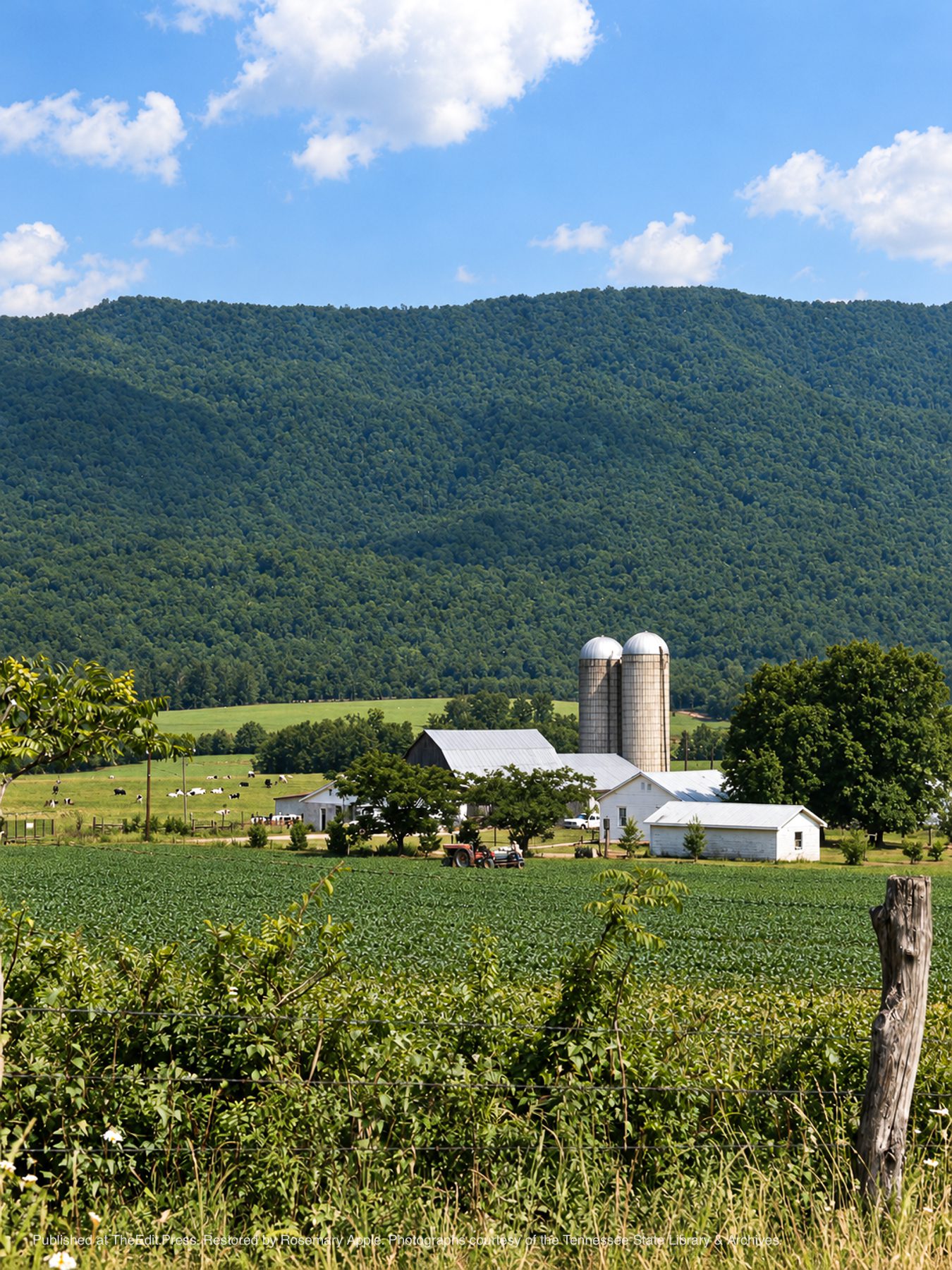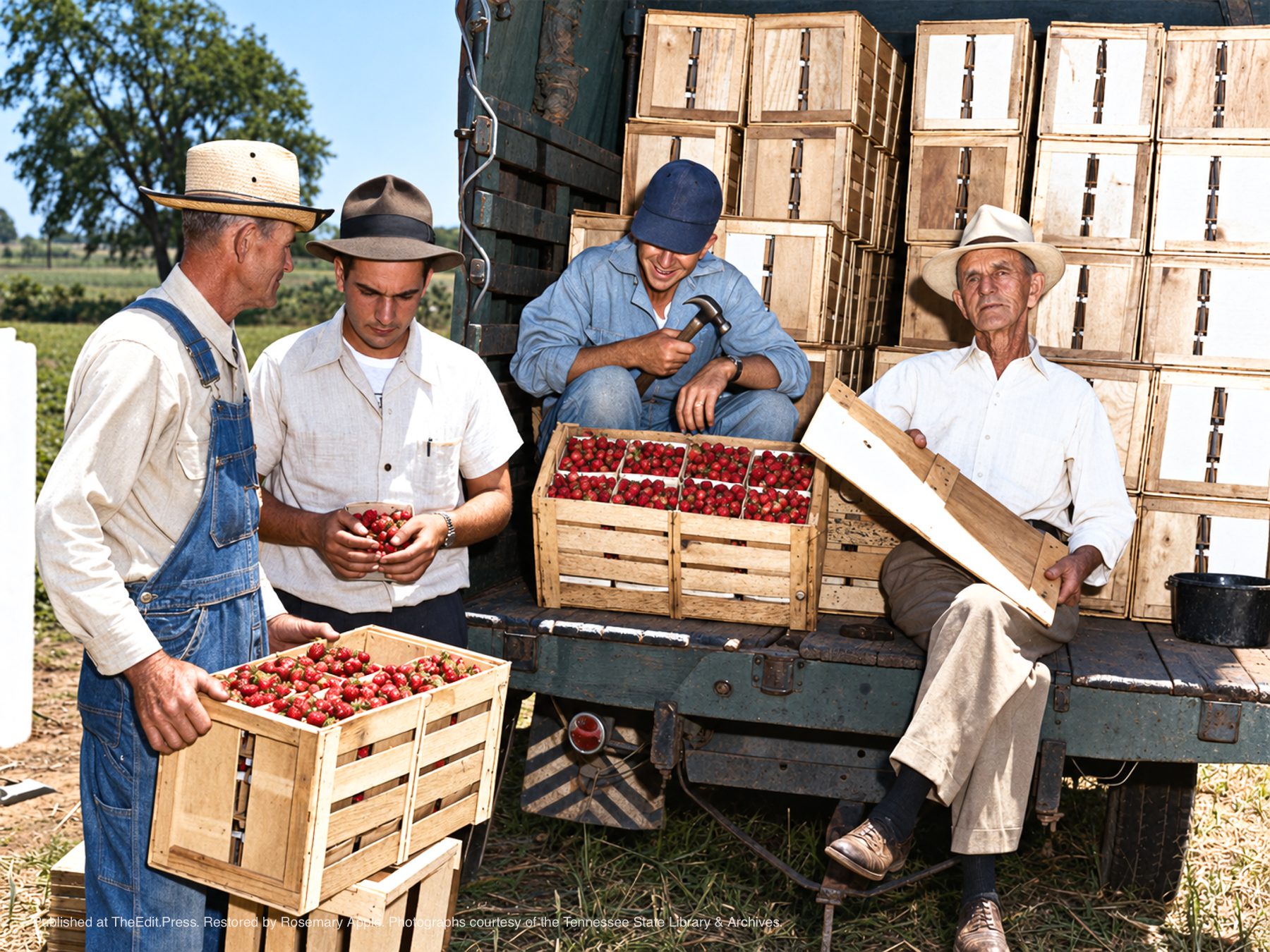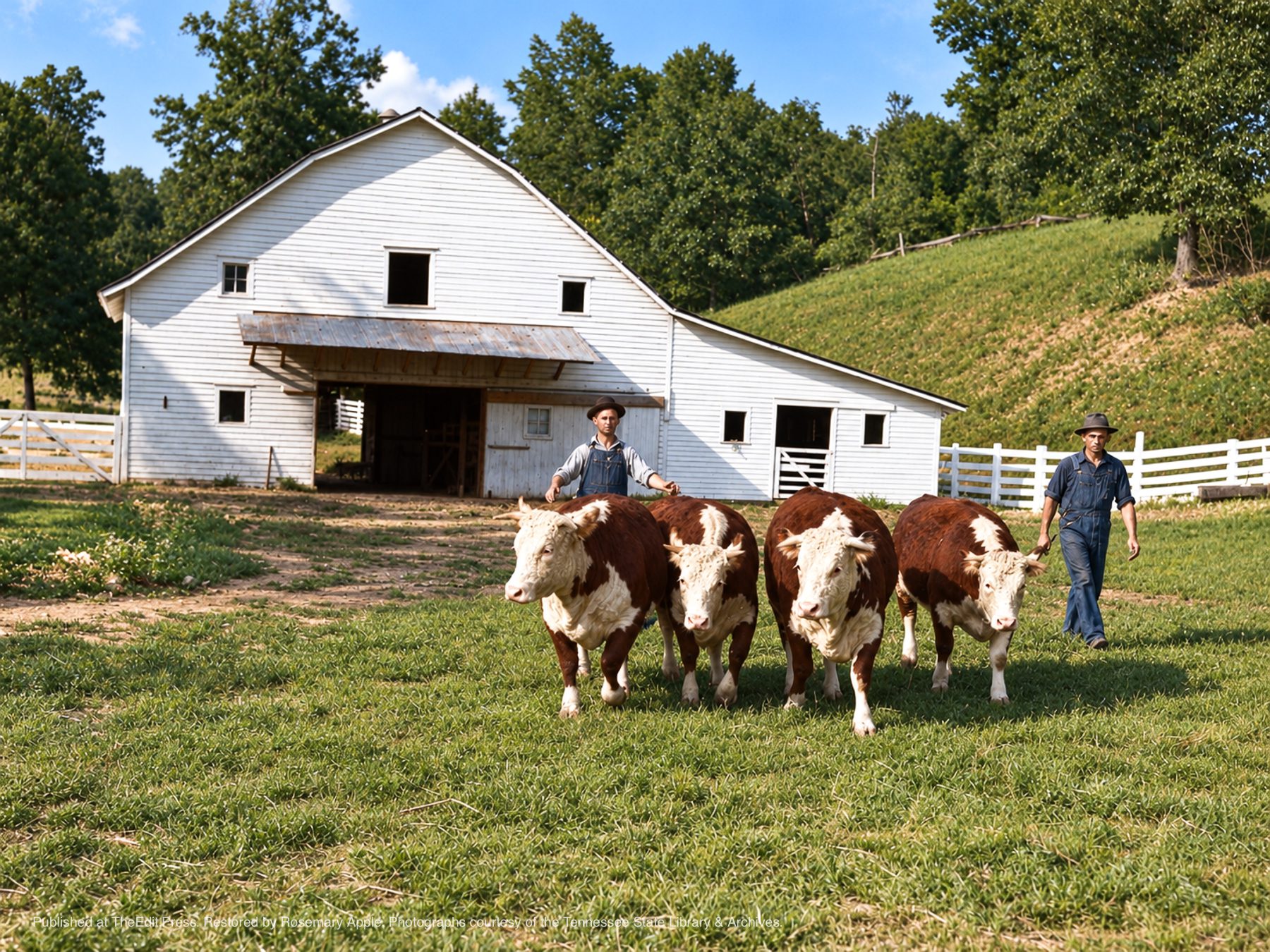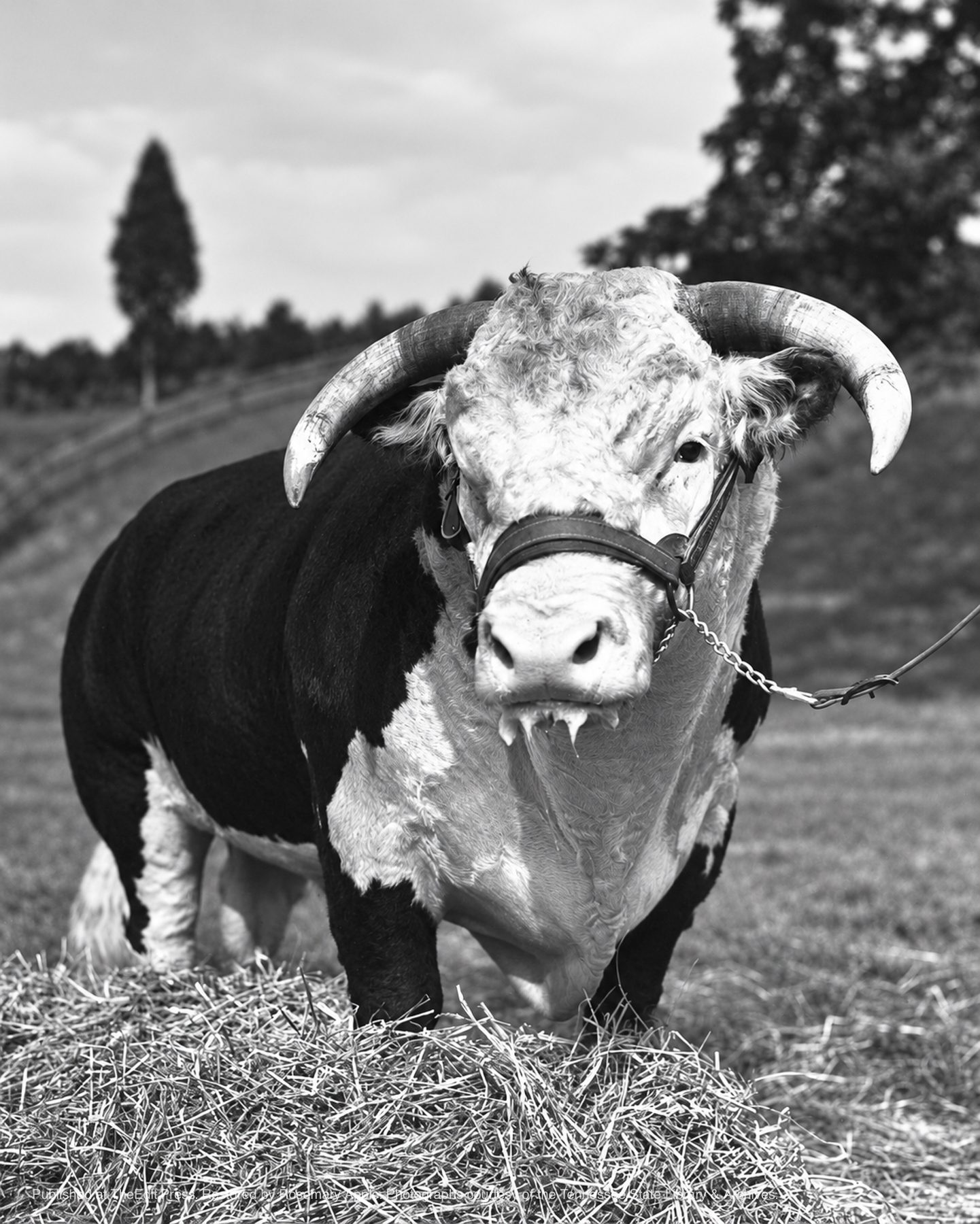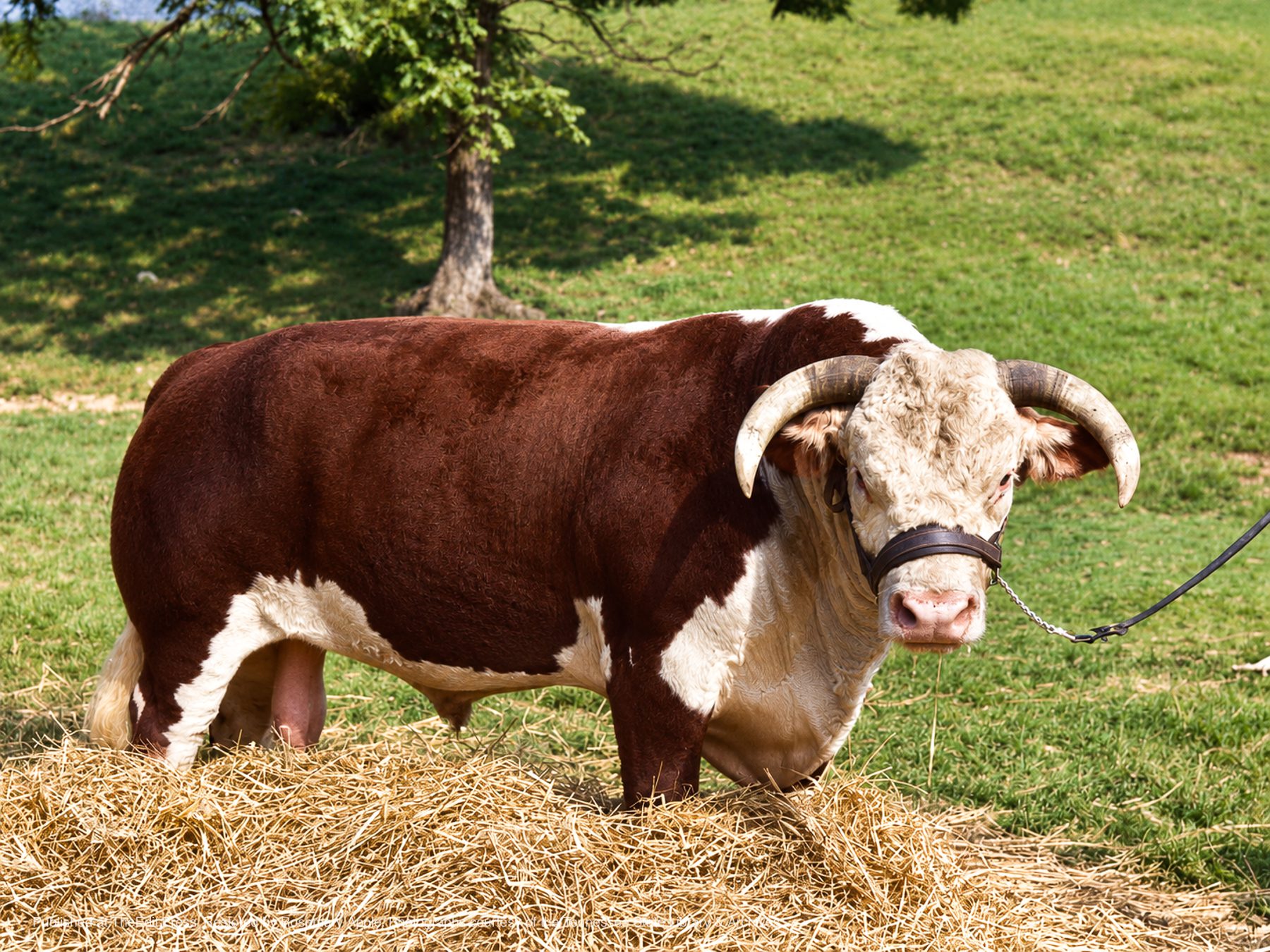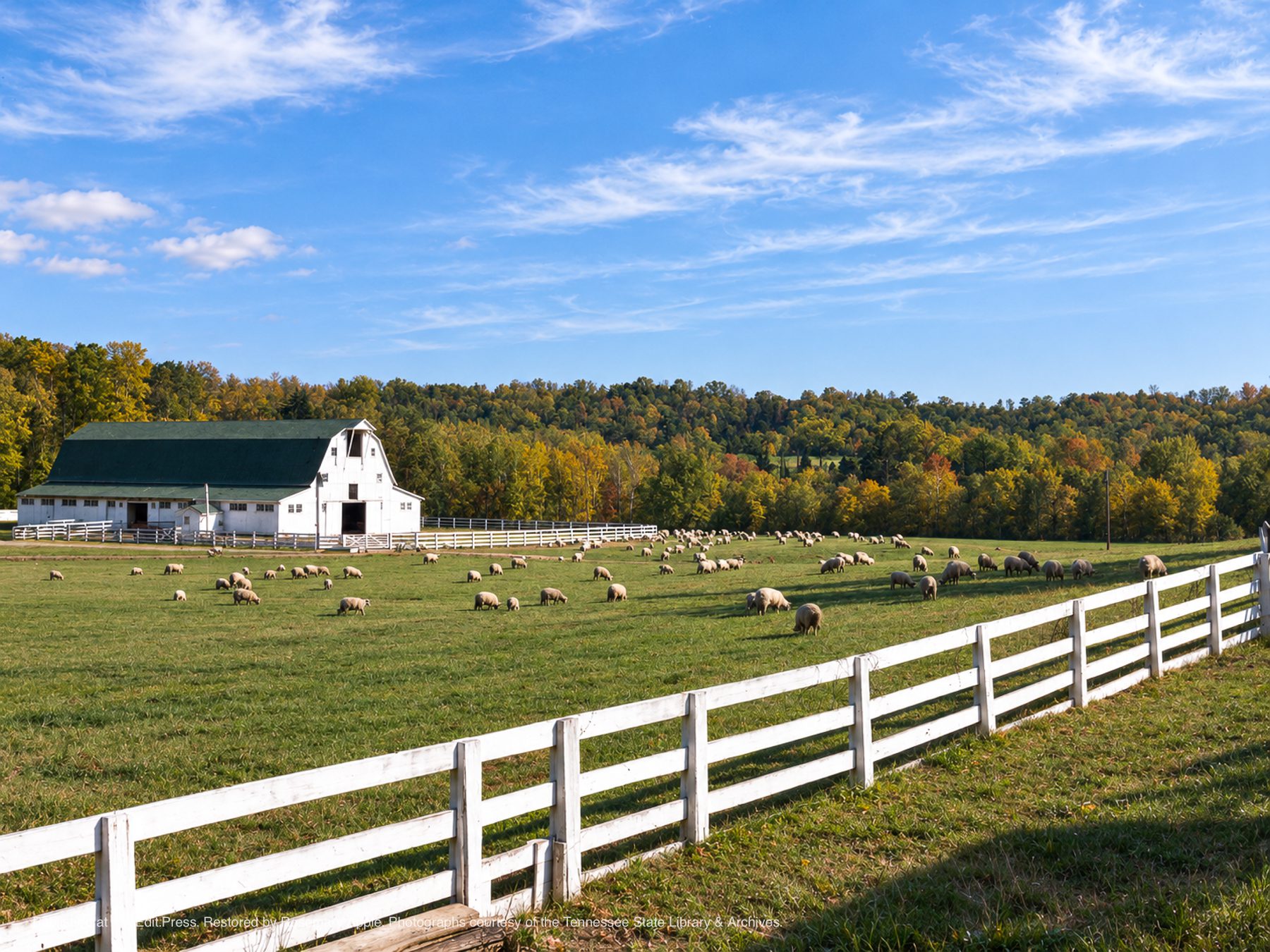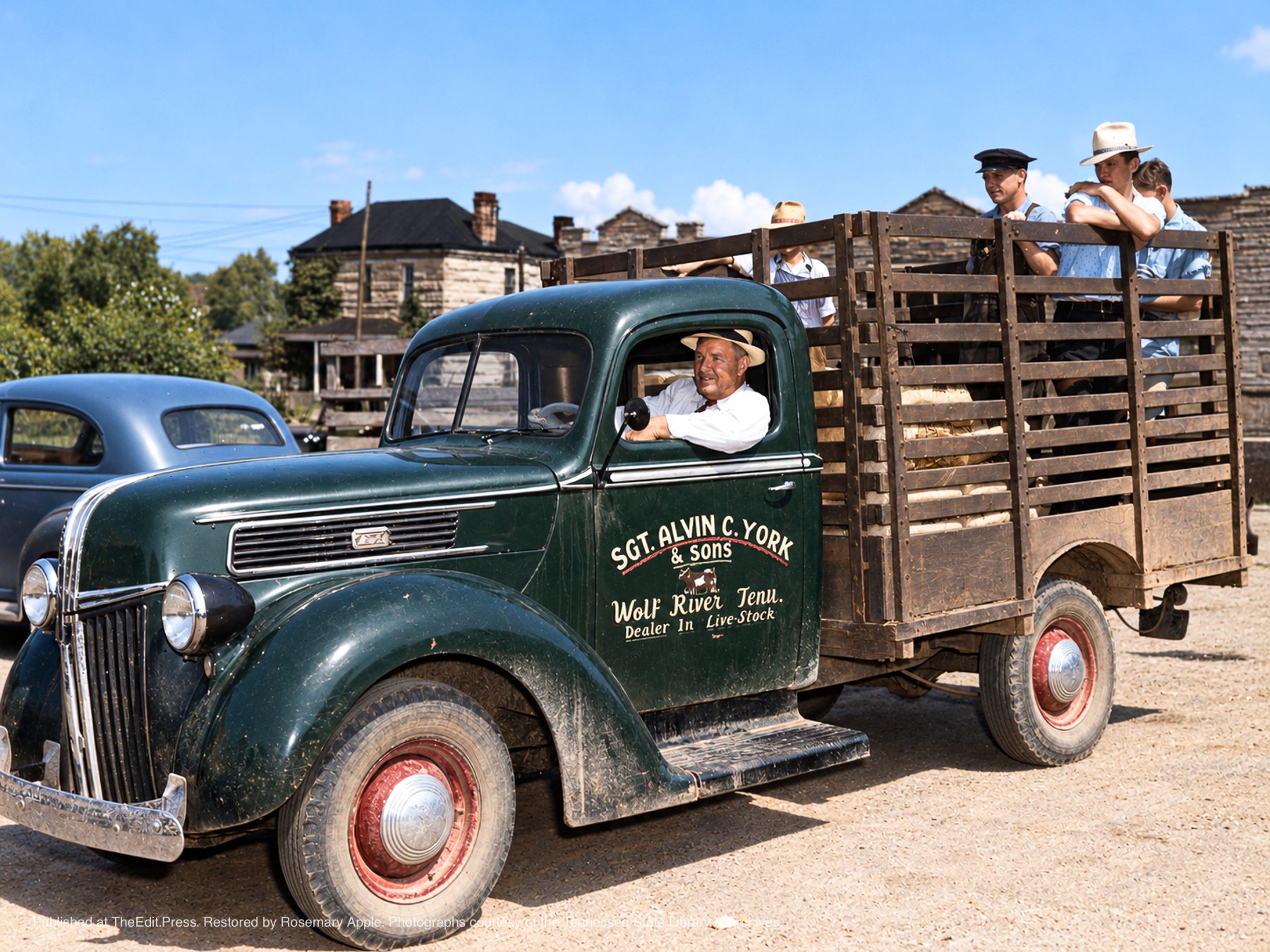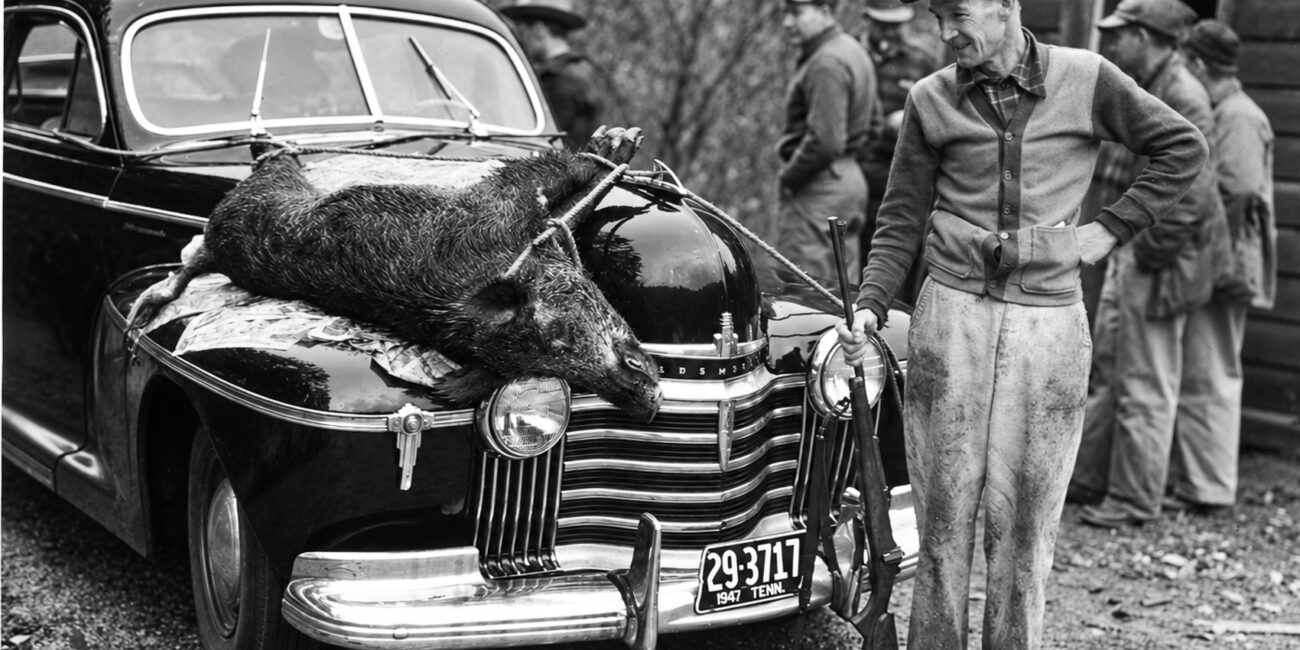
For generations, agriculture has shaped Tennessee’s landscape, economy, and way of life. From the fertile bottomlands of West Tennessee to the rolling pastures of Middle Tennessee and the mountain farms of the east, the state’s varied geography gave rise to a diverse agricultural heritage.
Long before Tennessee became a state in 1796, Indigenous communities cultivated crops including corn, beans, and squash. As European settlement expanded, farming became central to the state’s growing economy. Early farmsteads were largely self-sufficient, producing food for the household while raising livestock and cultivating crops for local trade.
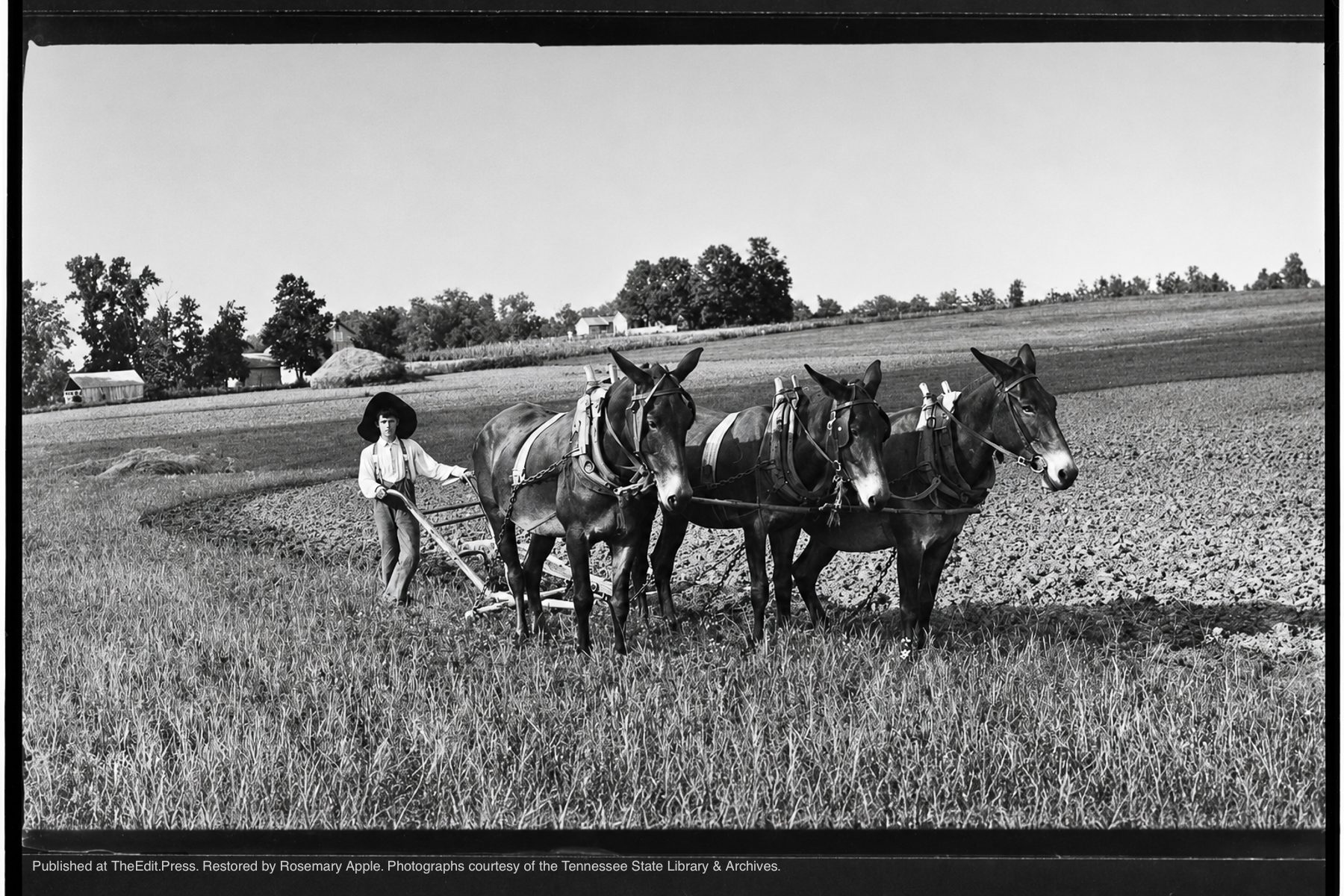
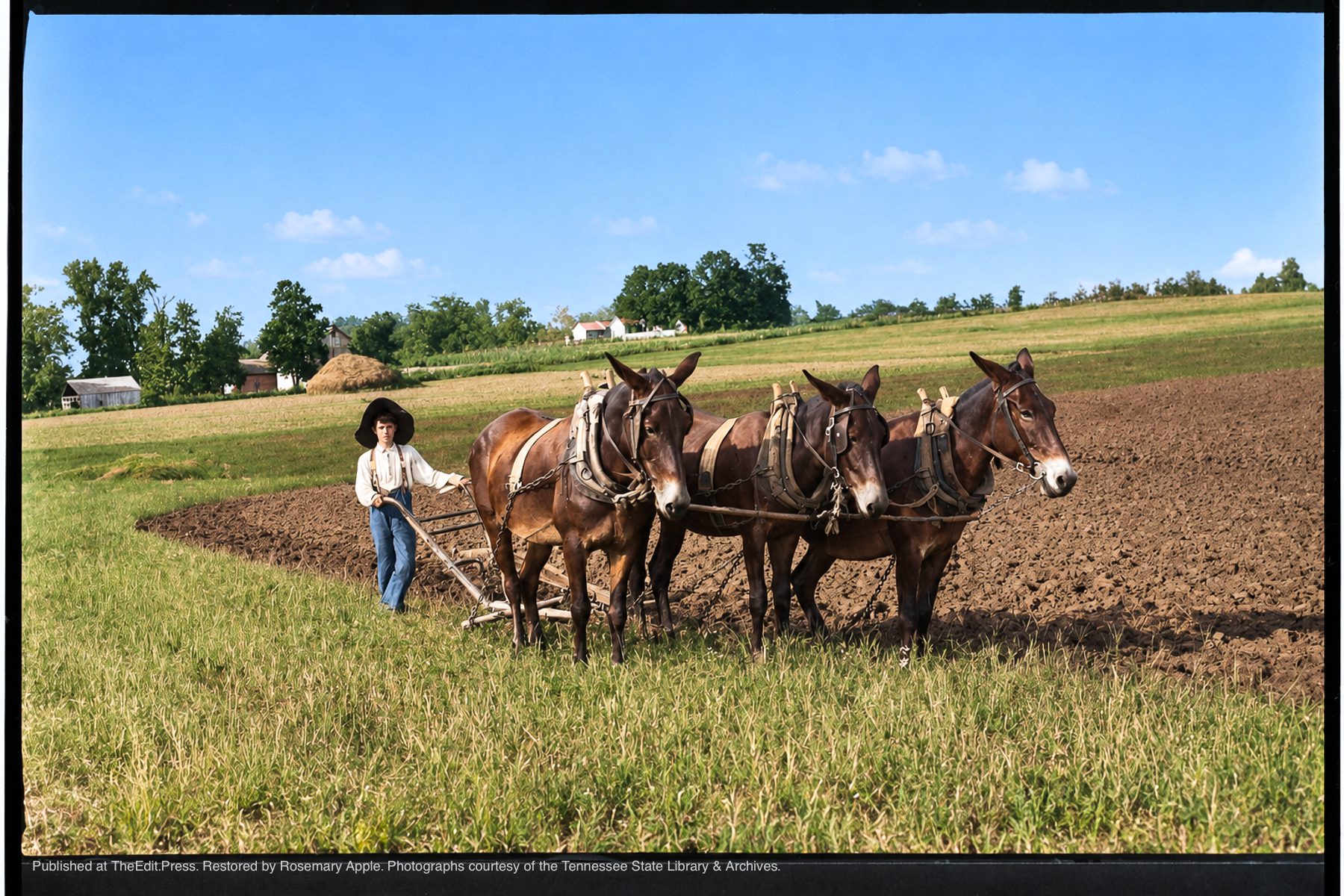
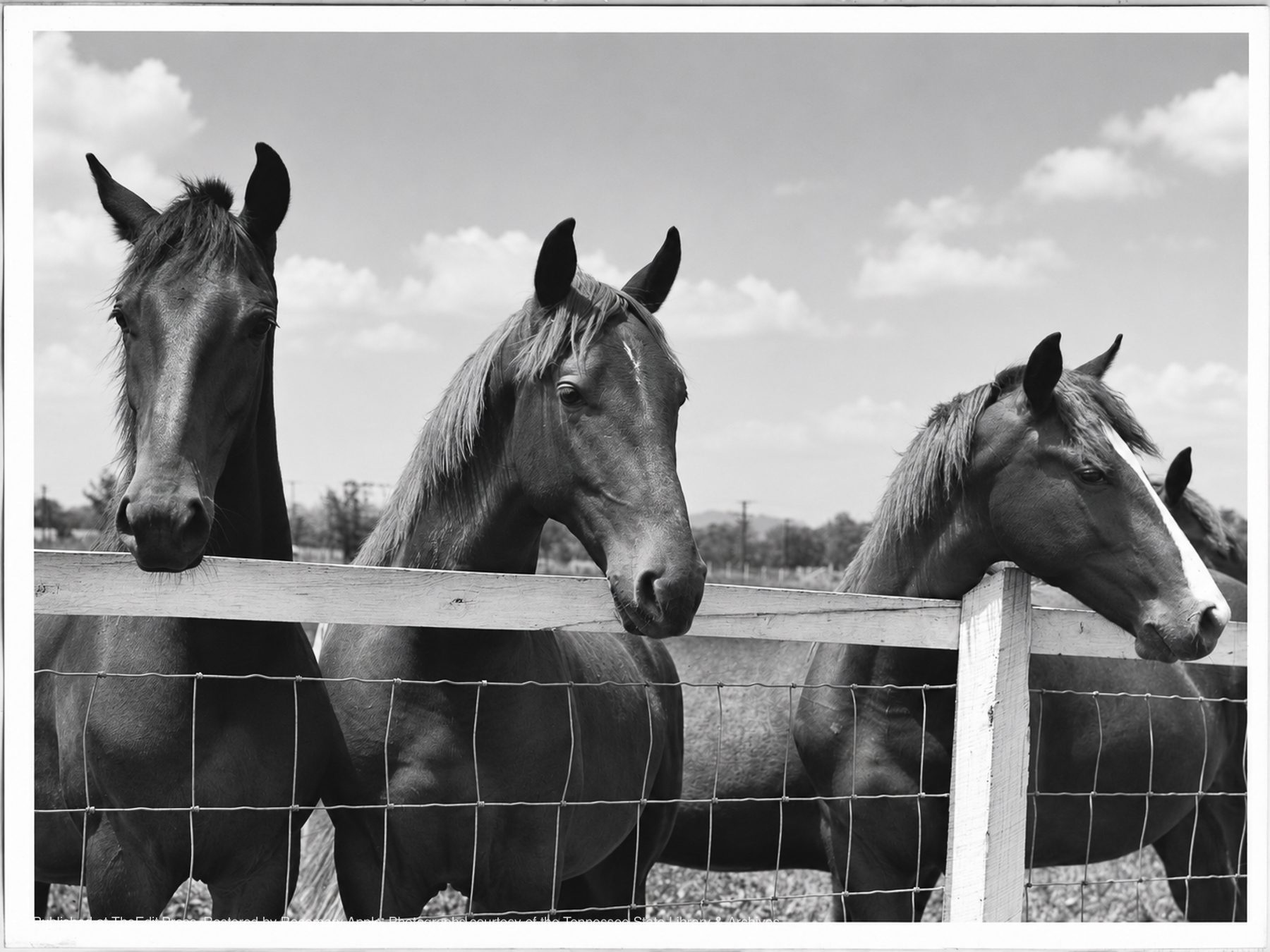
By the mid-19th century, Tennessee had become a significant agricultural producer, known for corn, wheat, cotton, tobacco, and livestock. Regional differences helped establish distinct farming traditions. Cotton plantations expanded across West Tennessee, relying heavily on enslaved labor, while Middle Tennessee developed a reputation for livestock breeding, particularly horses and mules. In 1860, Tennessee led the nation in mule production, supplying working animals to farms throughout the South.
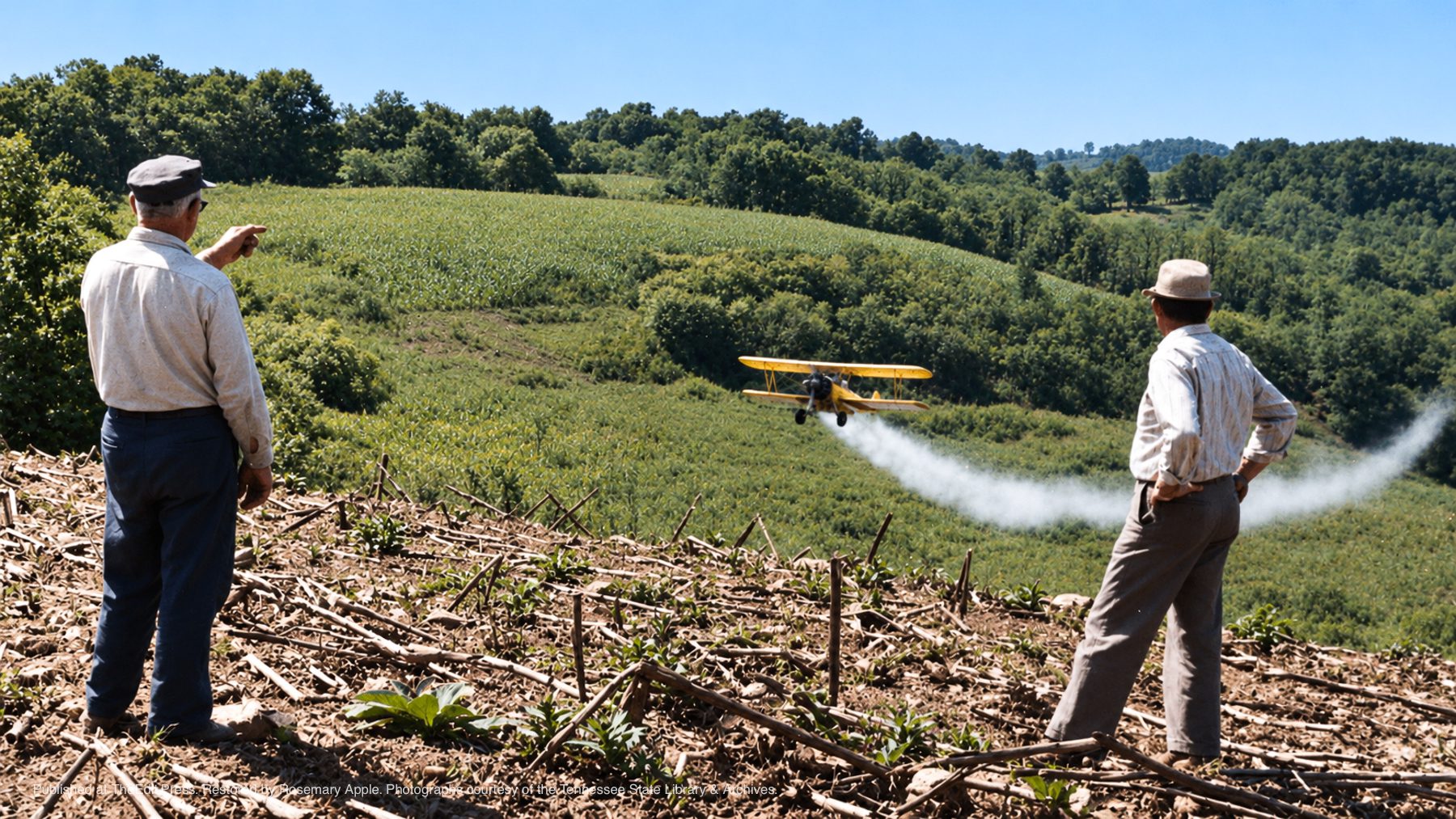
The decades that followed brought considerable change. The Civil War disrupted agricultural production, while Reconstruction reshaped landownership and farm labor. During the early 20th century, many Tennessee farmers continued working with horse- and mule-drawn equipment even as tractors and mechanized farming began transforming agriculture elsewhere.
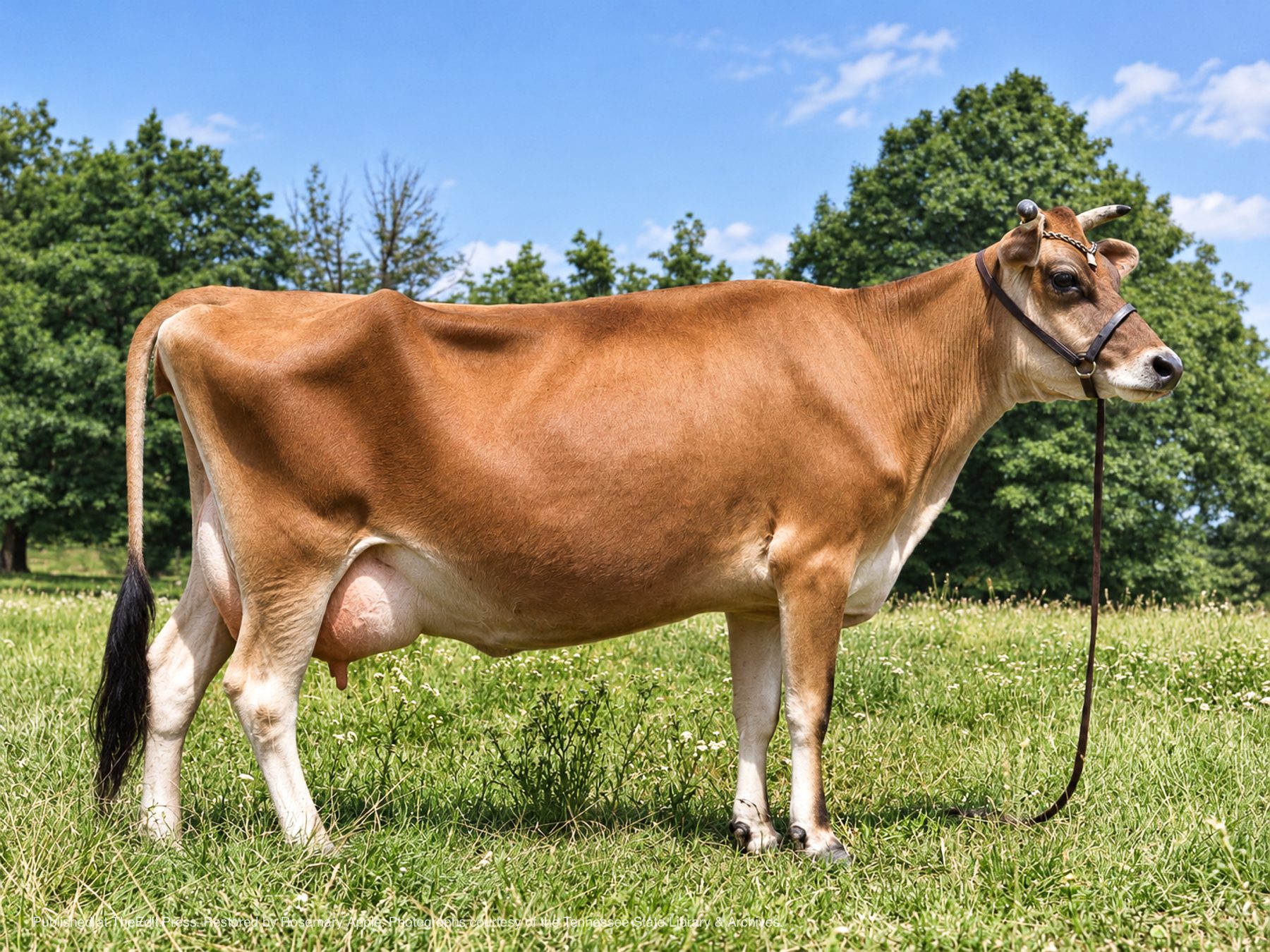
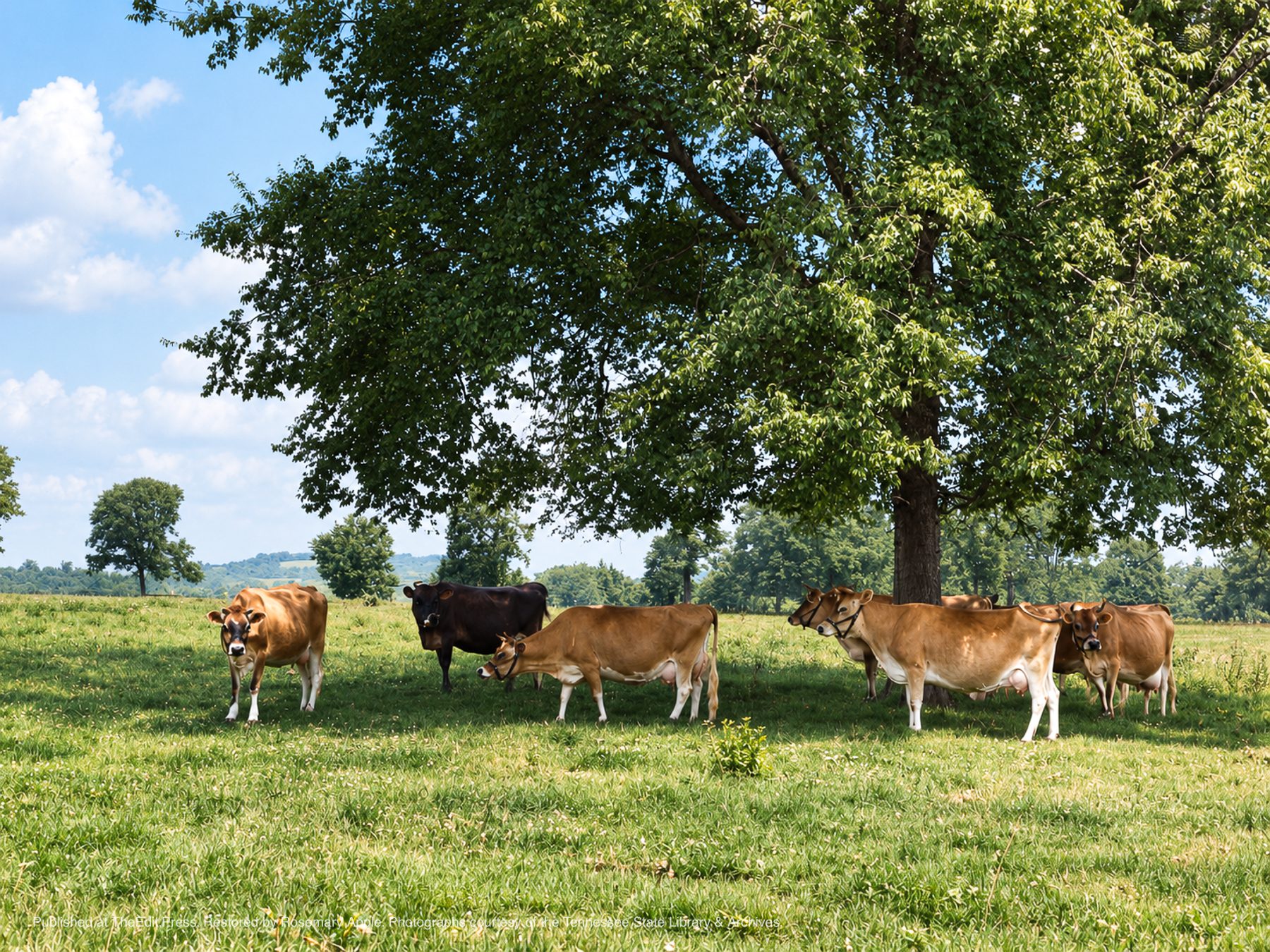
The years surrounding World War II marked another turning point. Advances in machinery, crop production, and livestock breeding gradually increased efficiency and changed the scale of farming. Beef cattle, dairy production, poultry, and soybeans became increasingly important as traditional agricultural practices gave way to modern methods.
Beyond its economic significance, farming has long influenced Tennessee’s communities, traditions, and rural identity. Family farms, livestock auctions, county fairs, and agricultural markets became familiar fixtures of everyday life, connecting generations through their relationship with the land.
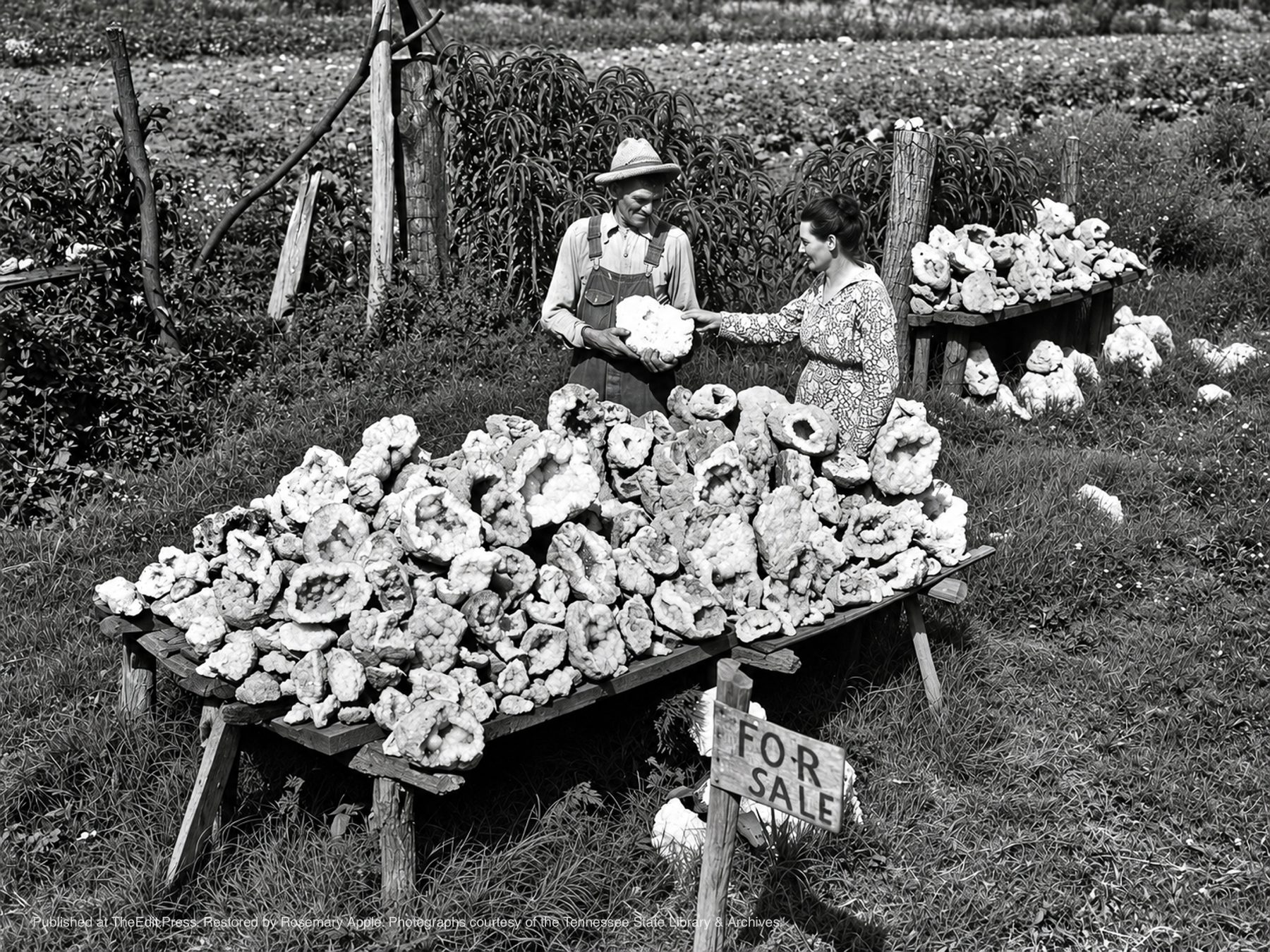
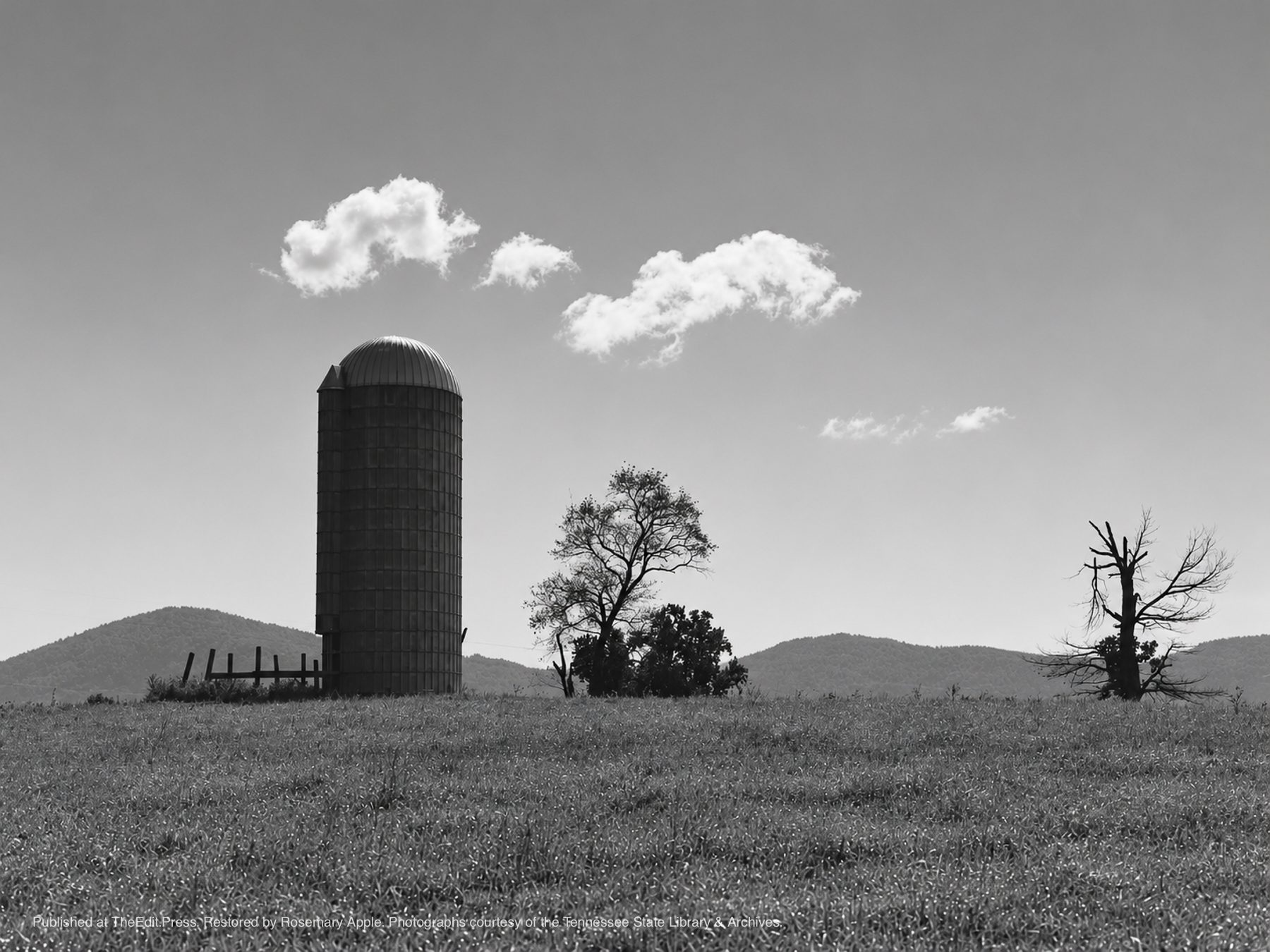
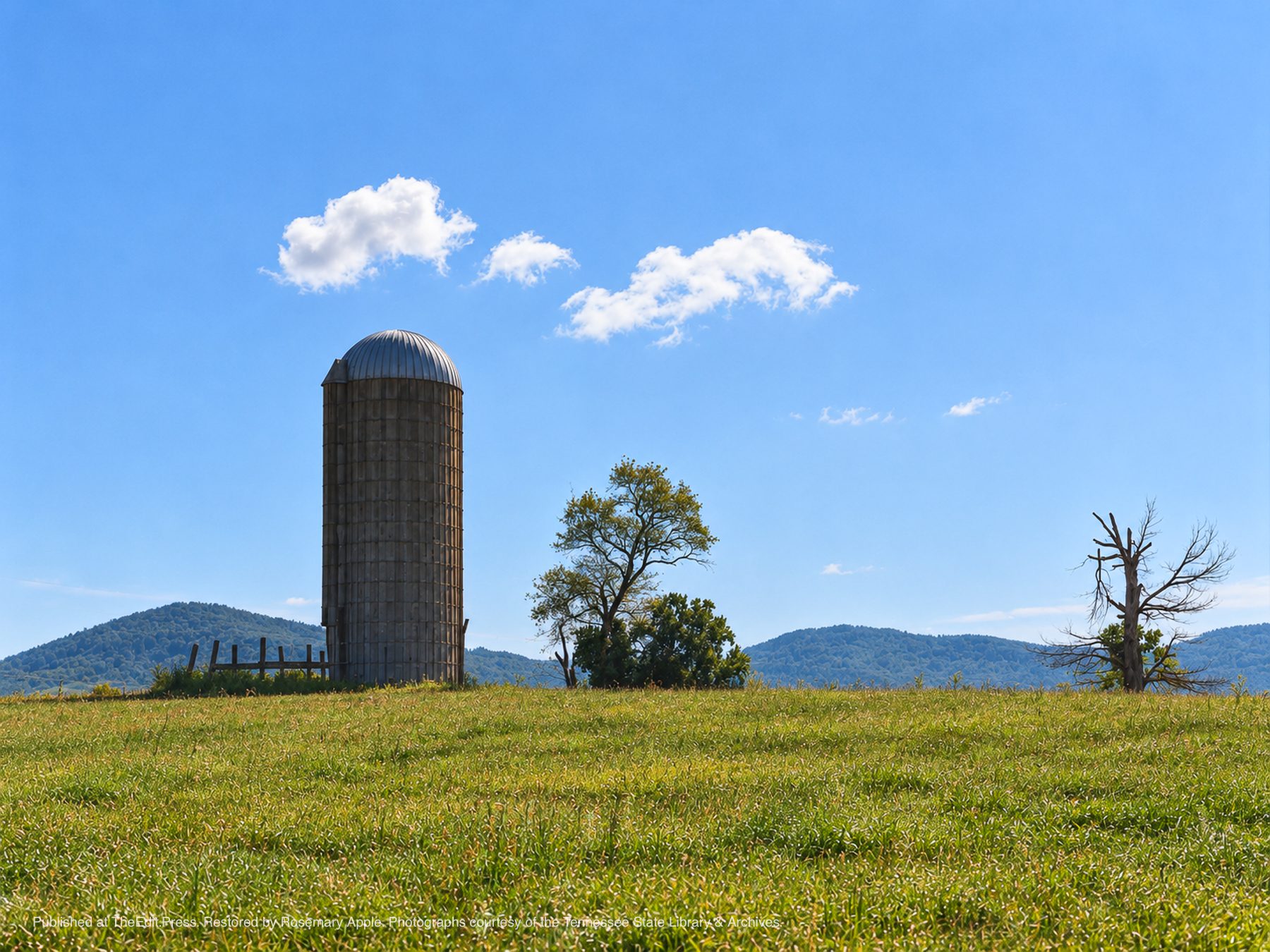
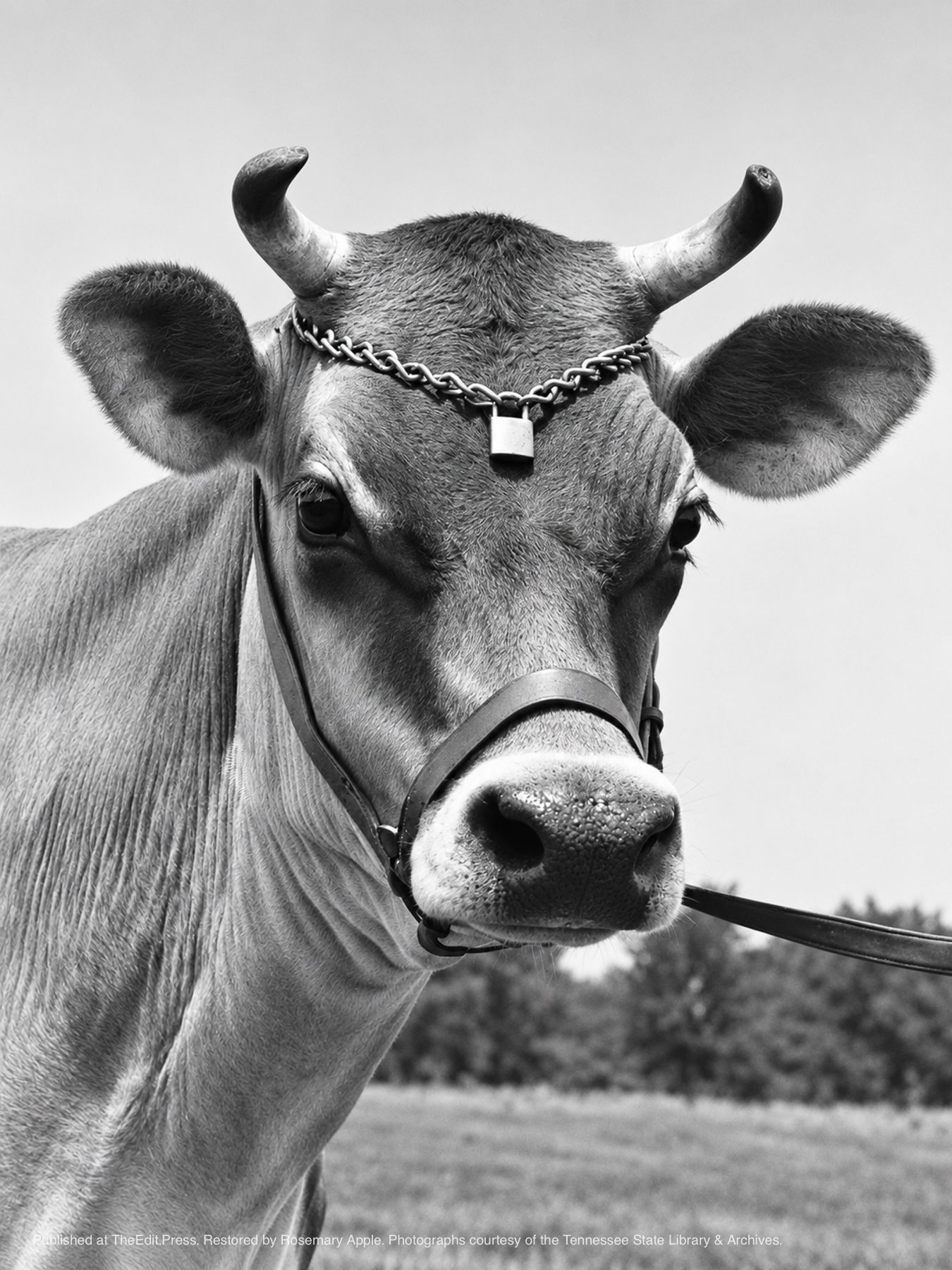
This collection of archival photographs offers a glimpse into that history, preserving the people, places, animals, and agricultural traditions that helped shape Tennessee across the decades.
media gallery