


The Edit

an archive collected and kept for good reason

Join the Mailing List

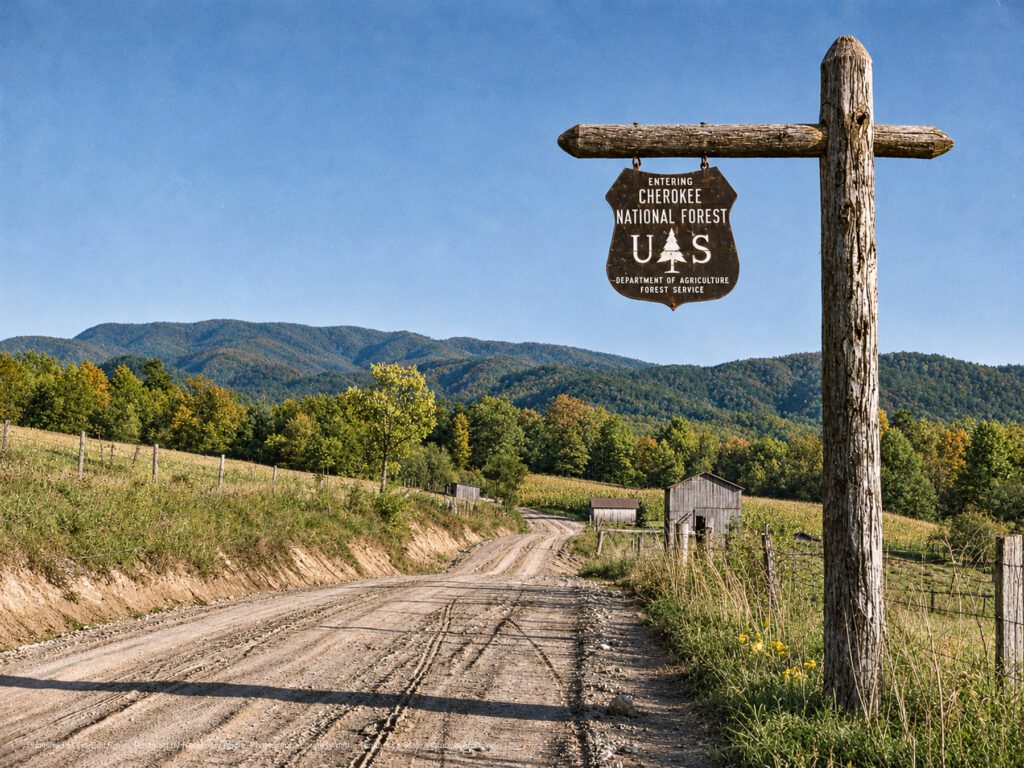
Cherokee National Forest

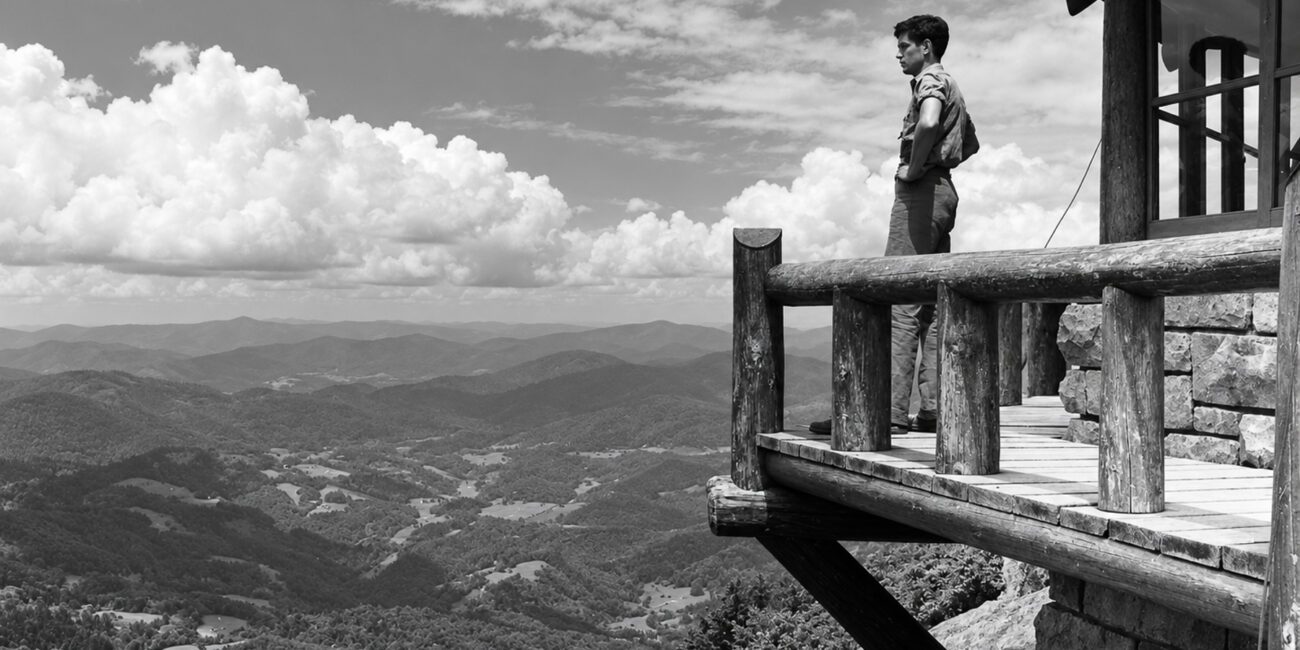
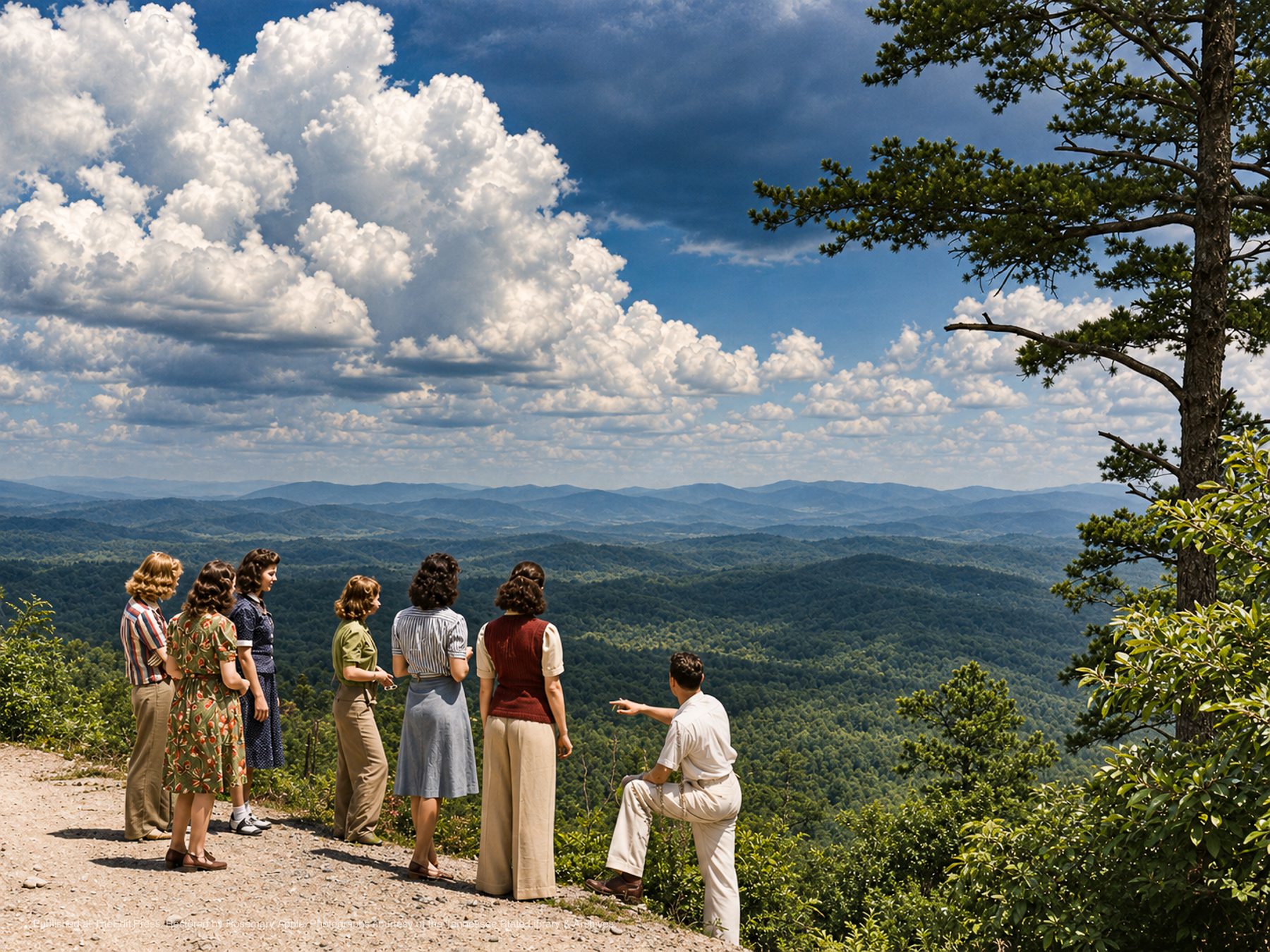
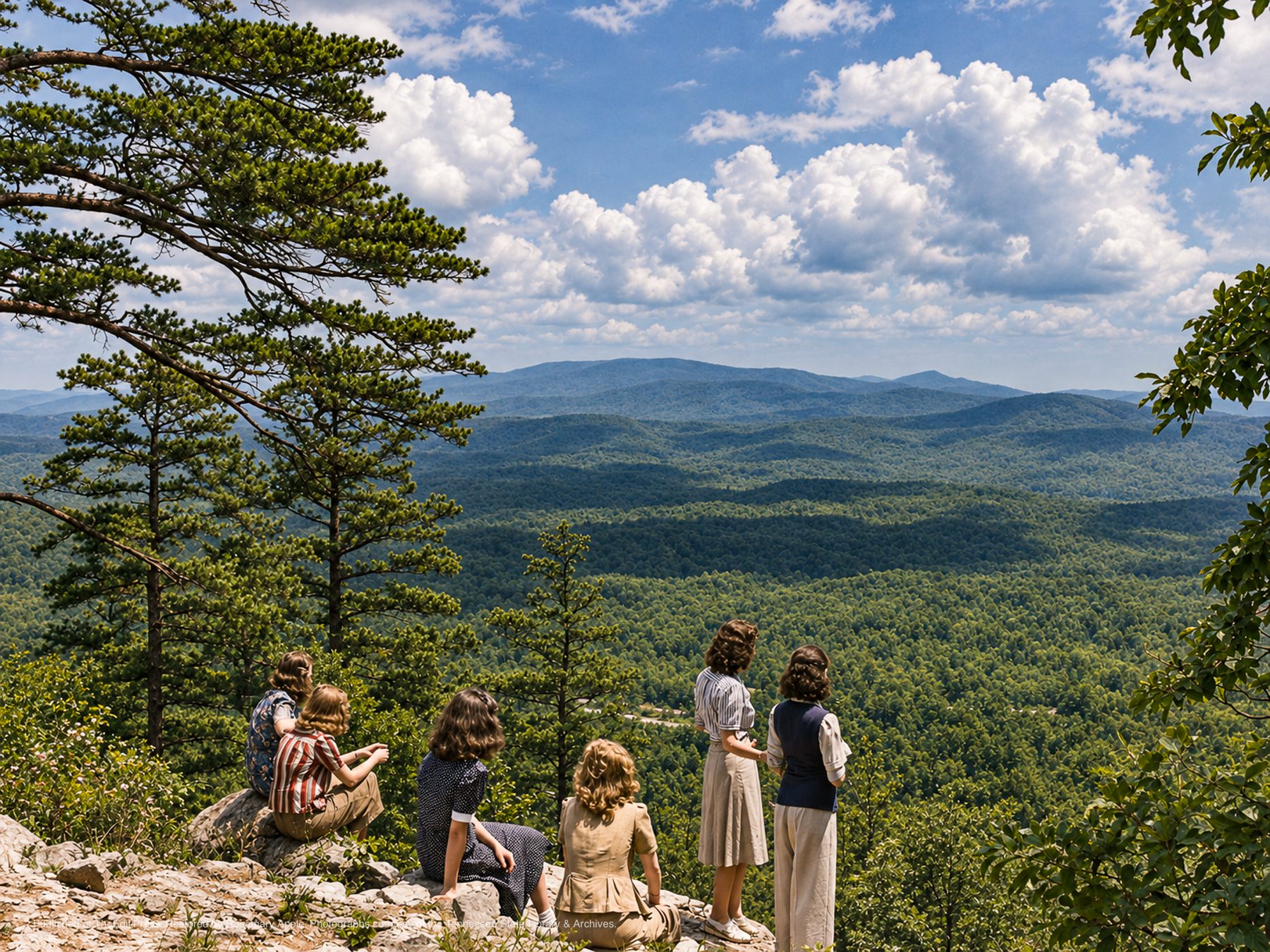
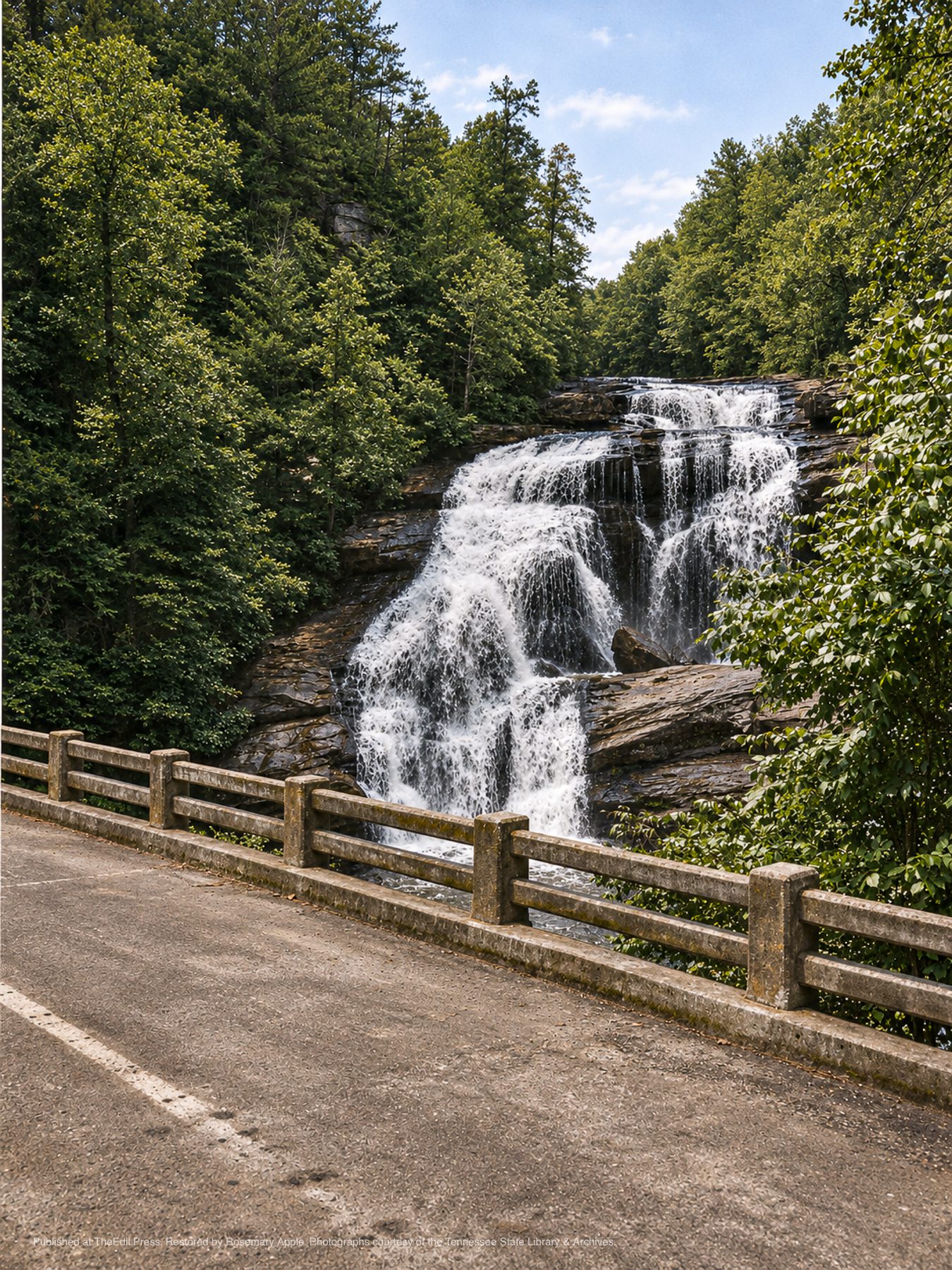
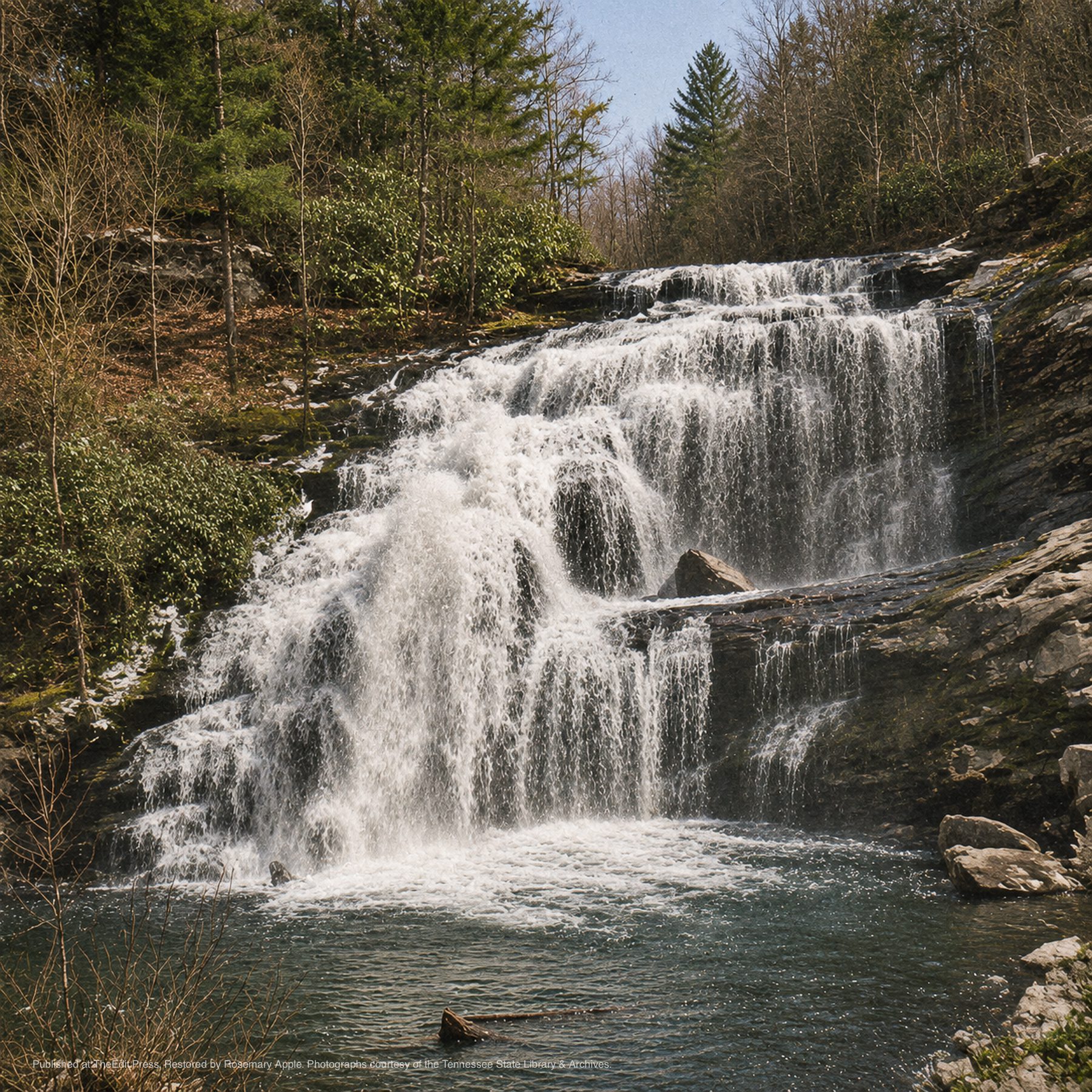
Tennessee’s largest public land tract, the Cherokee National Forest, encompasses over 650,000 acres of scenic terrain across East Tennessee. circa 1930s – 1940s

From Timberland to National Forest

Long before federal protection, these mountains were part of the ancestral homeland of the Cherokee people. European settlement, forced removal, and later commercial logging dramatically changed the region.

By the early twentieth century, extensive timber harvesting had left portions of the Southern Appalachians stripped of their forests, contributing to erosion and damaged watersheds.

The Weeks Act of 1911 laid the foundation for federal land acquisition and conservation. President Woodrow Wilson established Cherokee National Forest in 1920, and a 1936 reorganization under Franklin D. Roosevelt brought it into its present form.

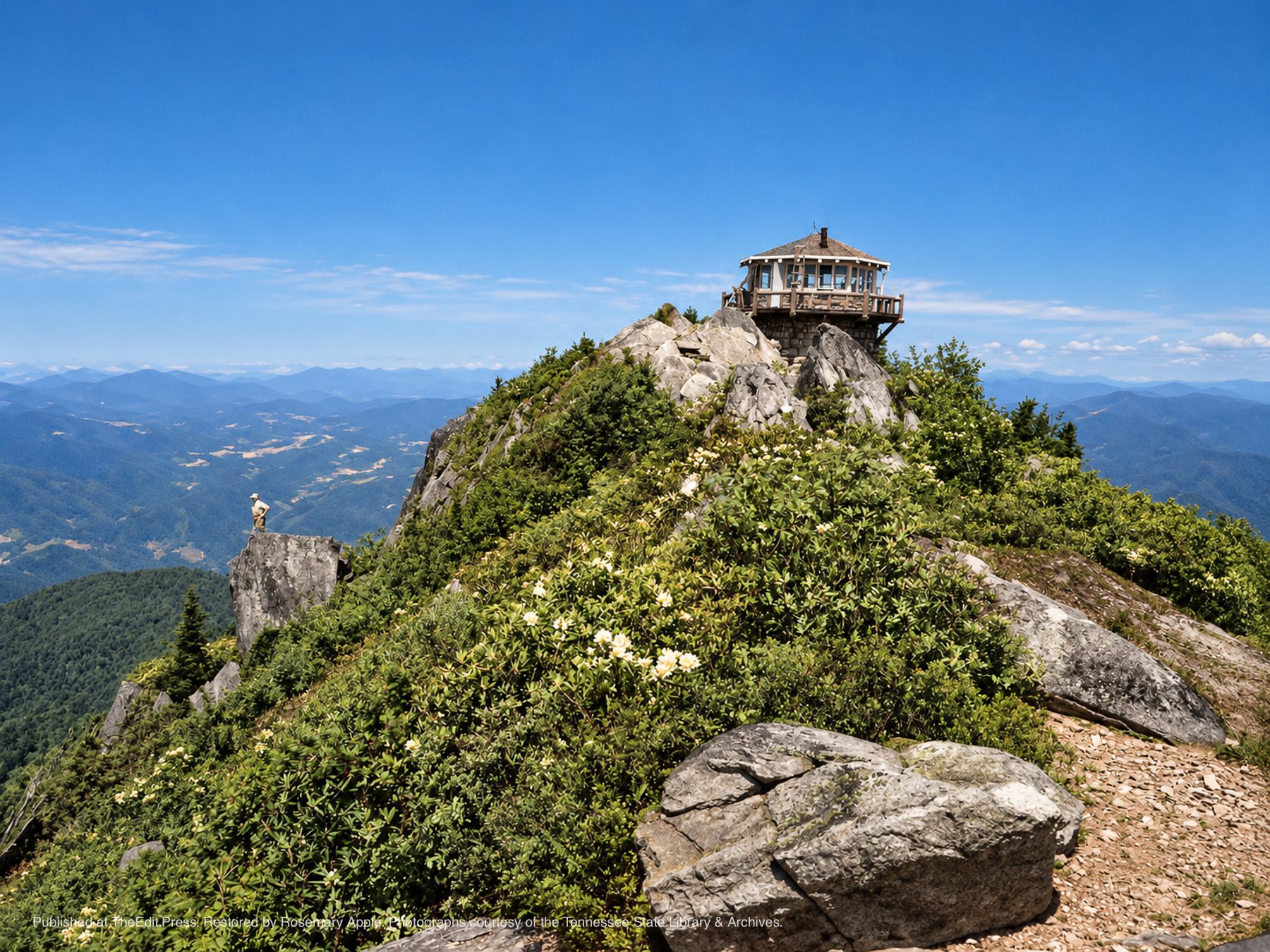
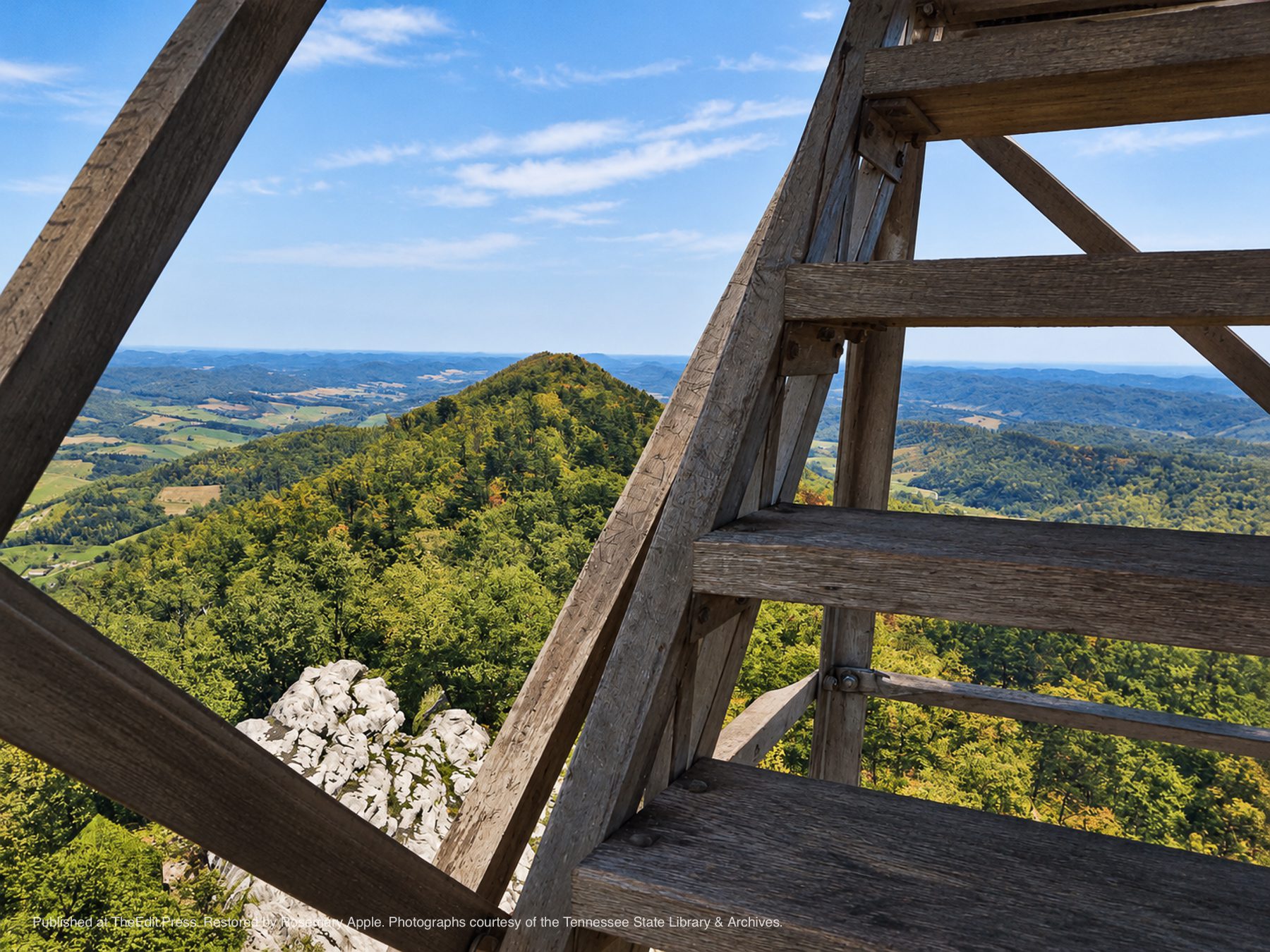
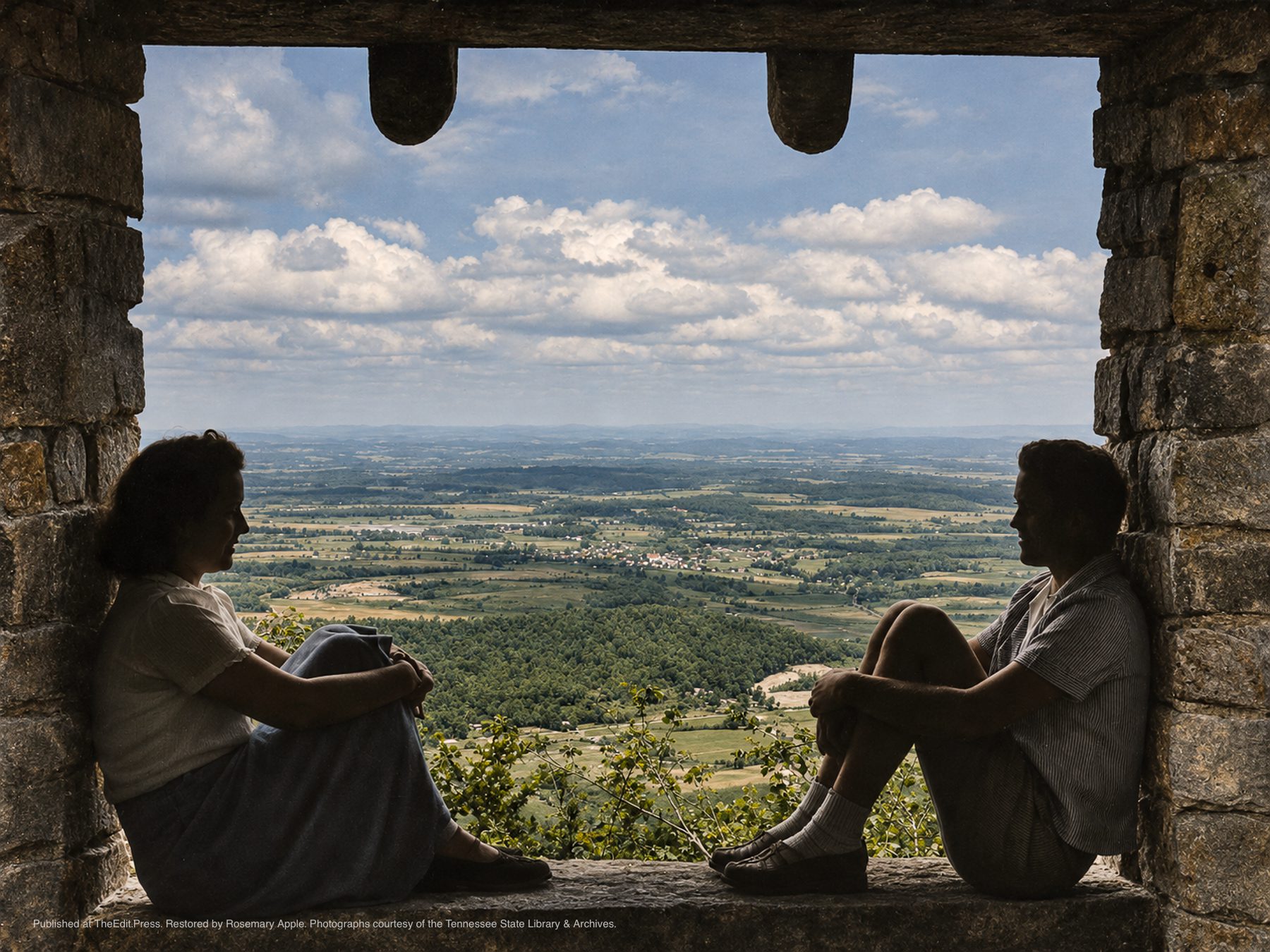
Pictured: Fire Towers in Rural Tennessee including Cherokee National Forest. See more.

A New Era of Conservation

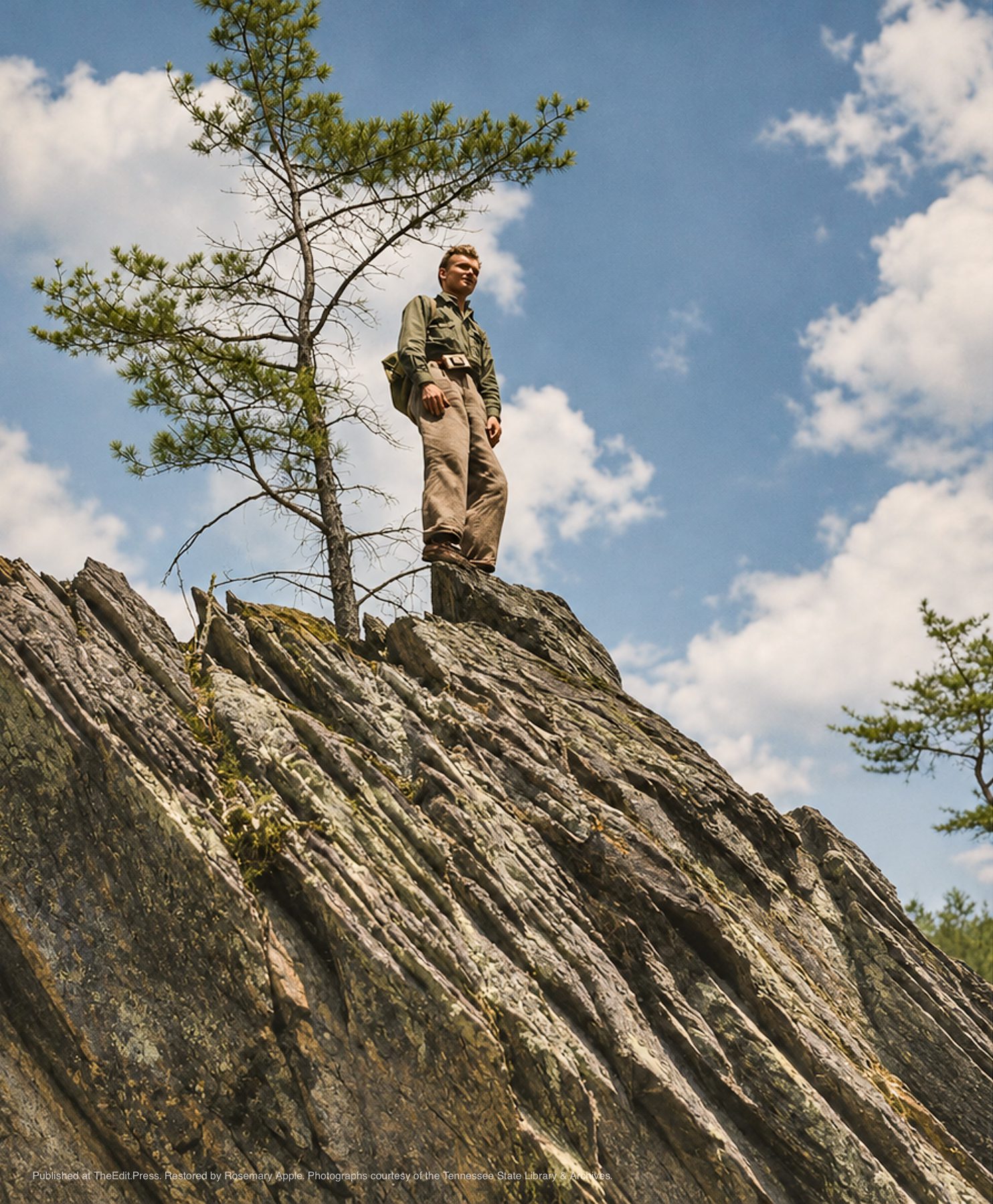
During the Great Depression, the Civilian Conservation Corps (CCC) helped restore and develop Tennessee’s public lands. Young men planted trees, constructed roads and trails, improved recreational facilities, and supported forest protection efforts.

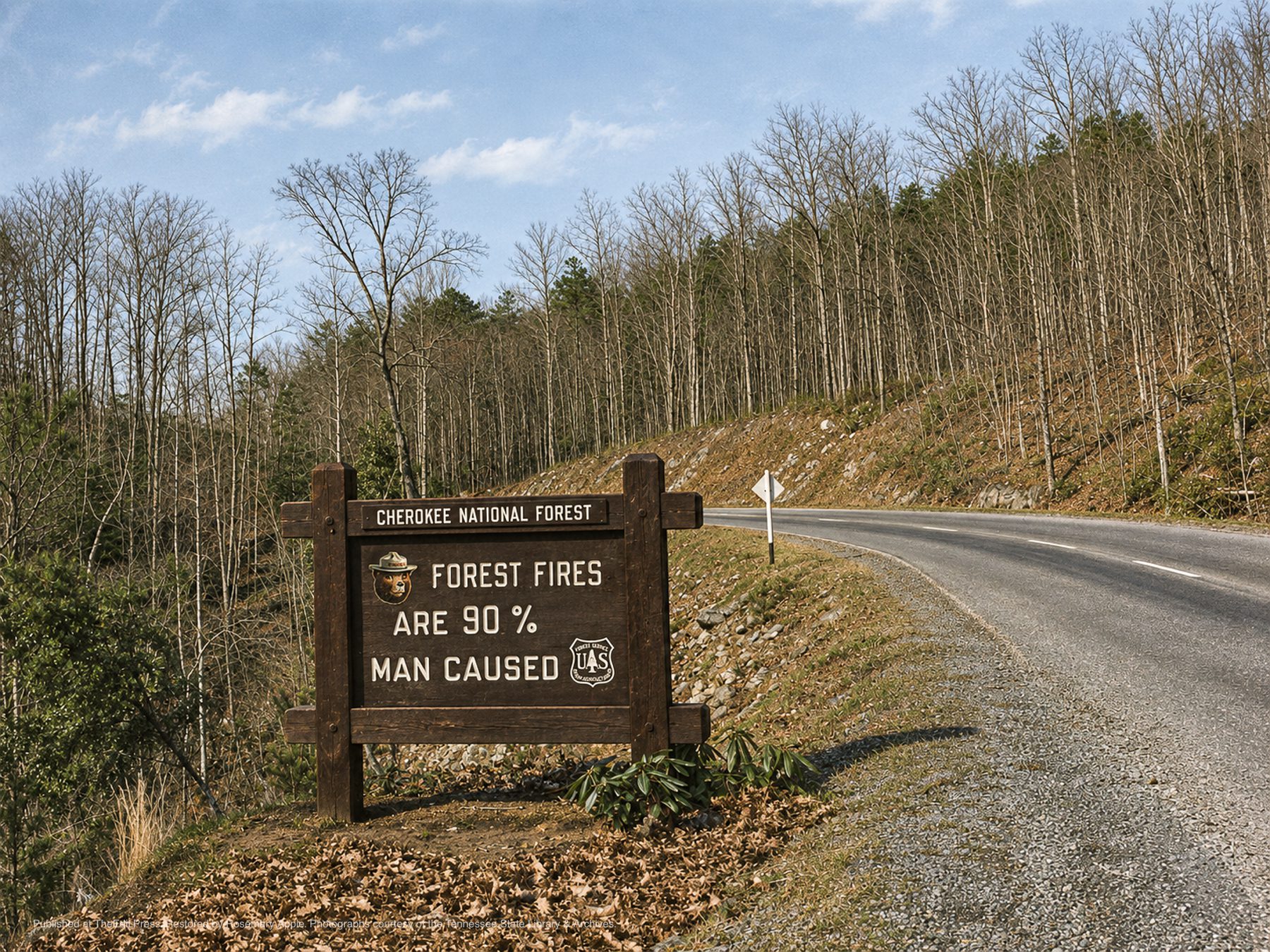
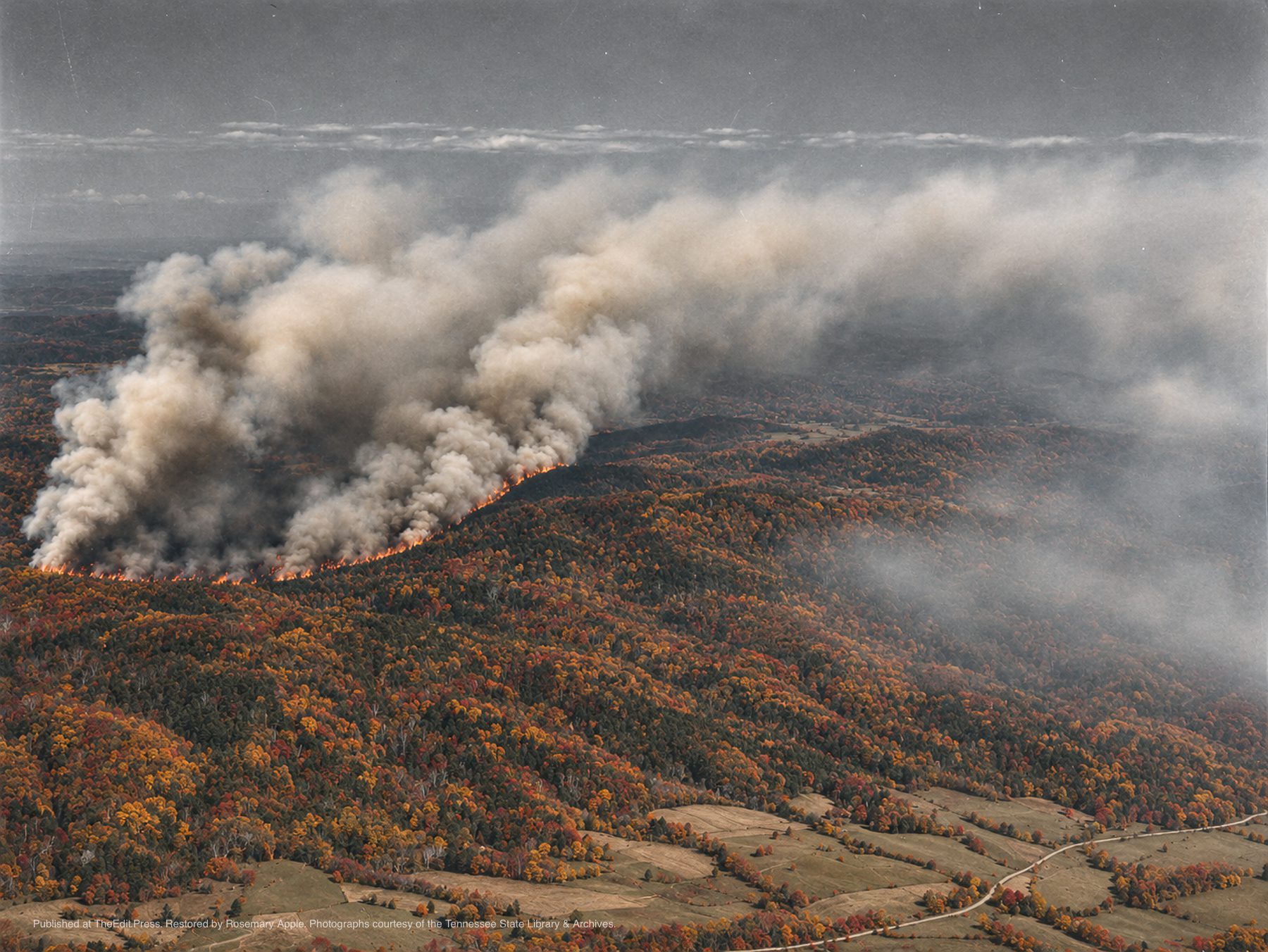
Wildfire prevention was especially important in the mountainous terrain. Fire lookout towers became essential for monitoring remote areas, while expanding road networks improved access for both forest workers and visitors.

These projects helped shape the forest that a new generation of travelers would discover.

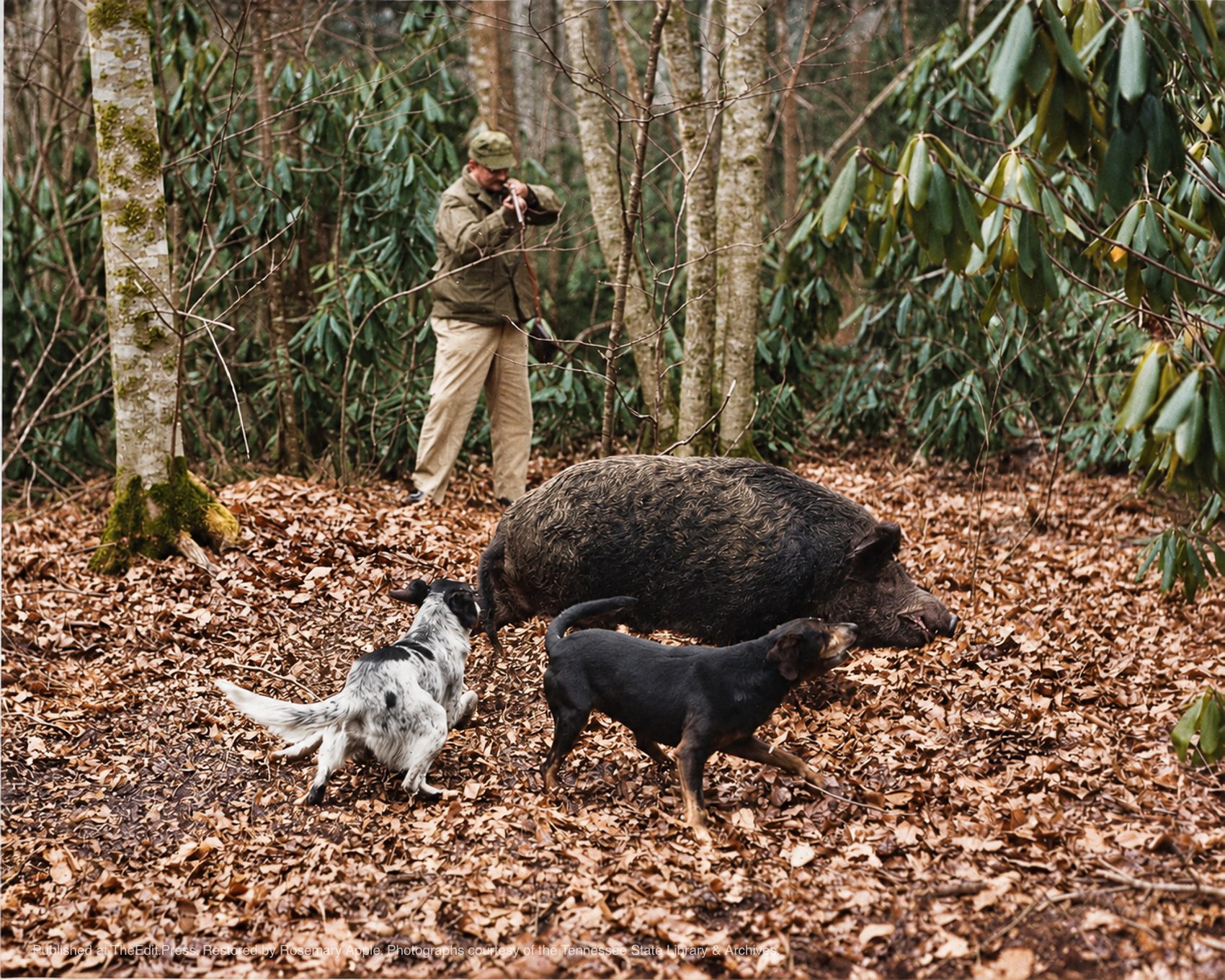
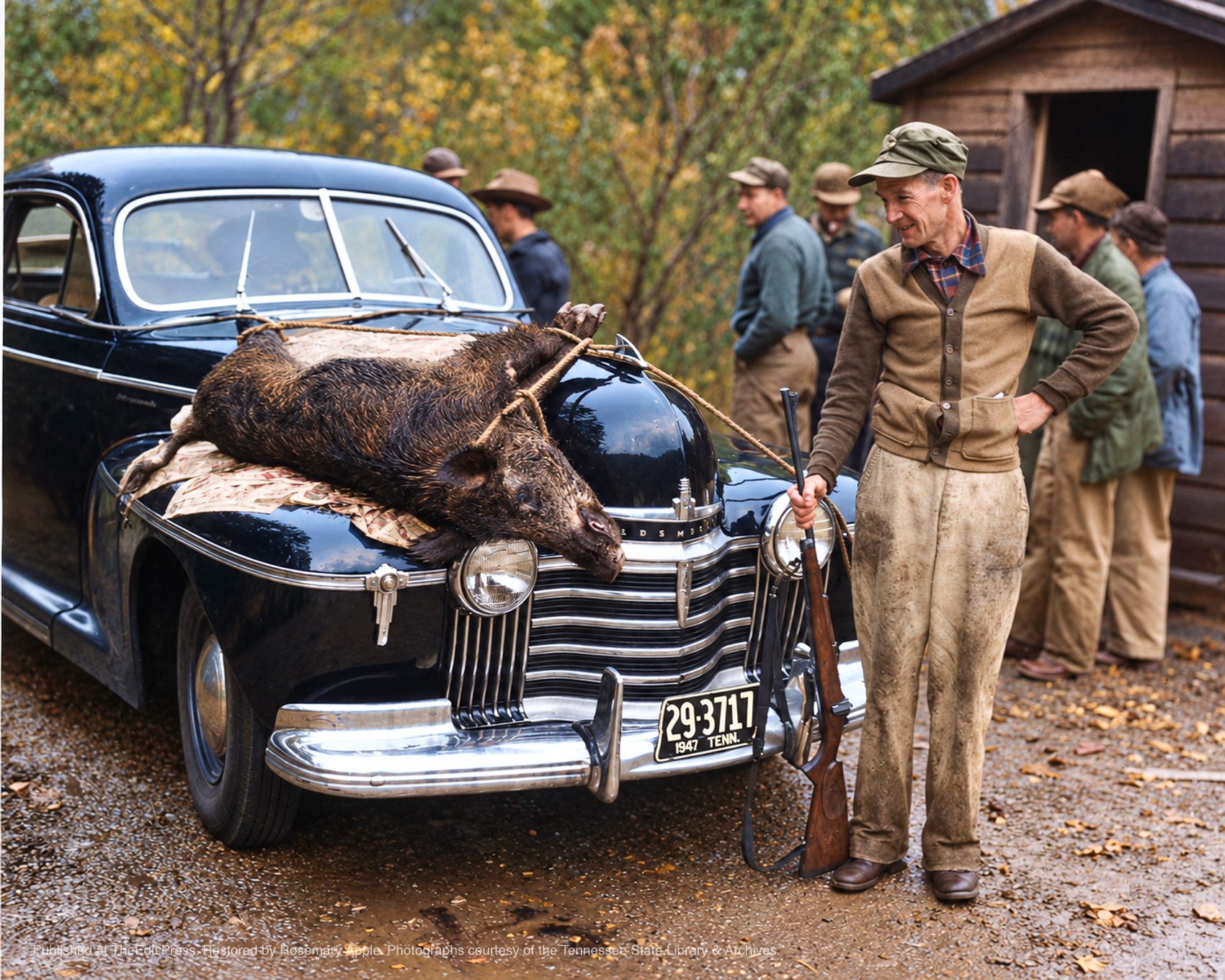
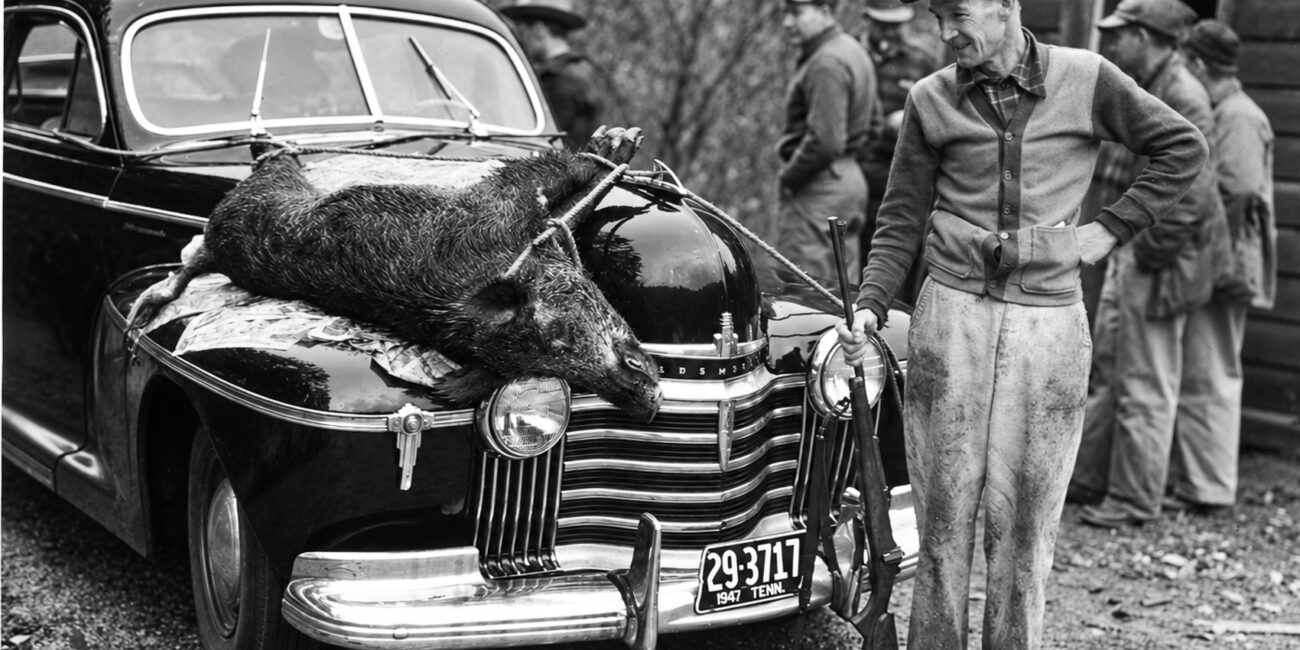
Pictured: Wild boar hunting Cherokee National Forest. See more.

The Mountains Become a Destination

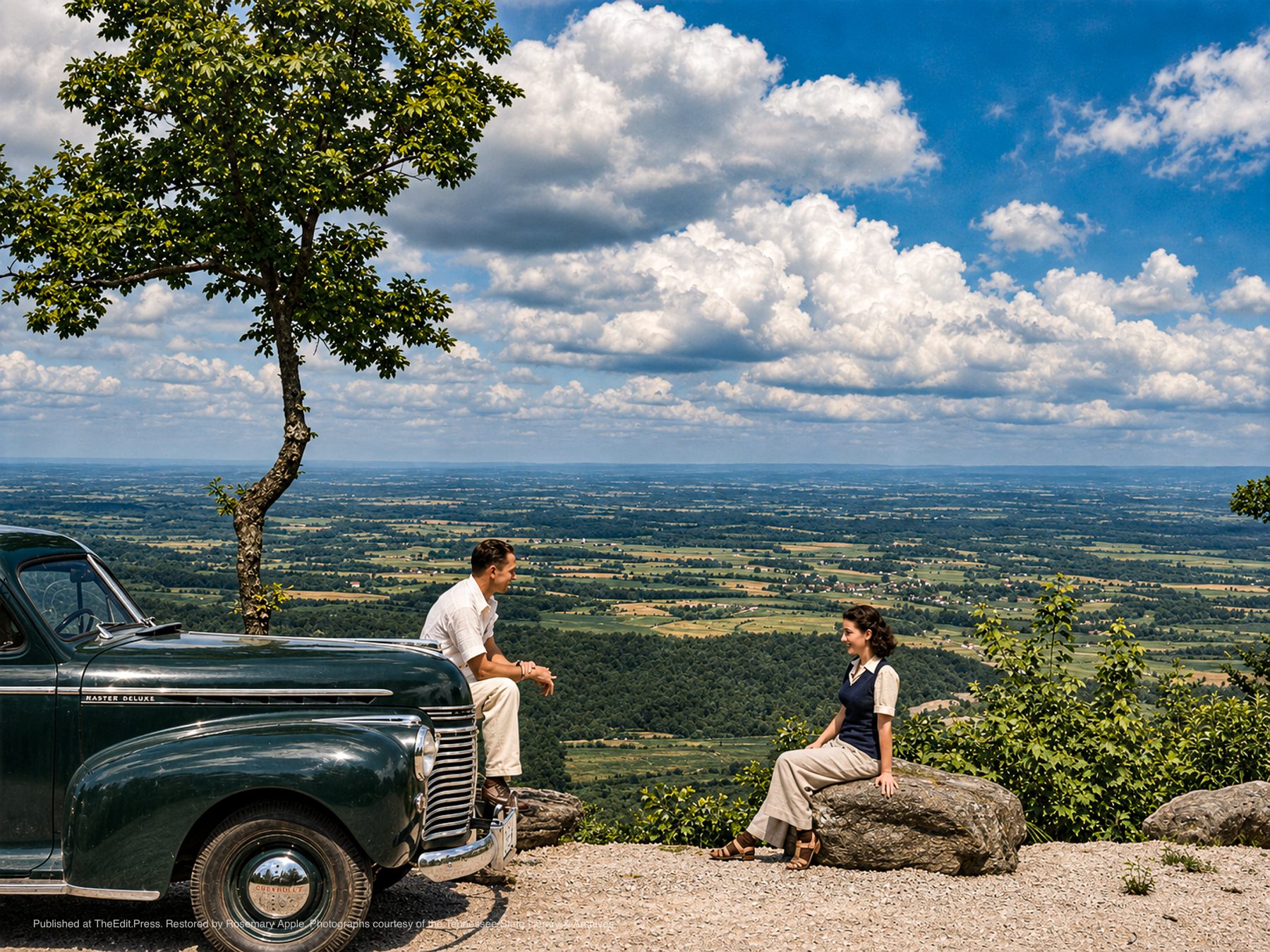
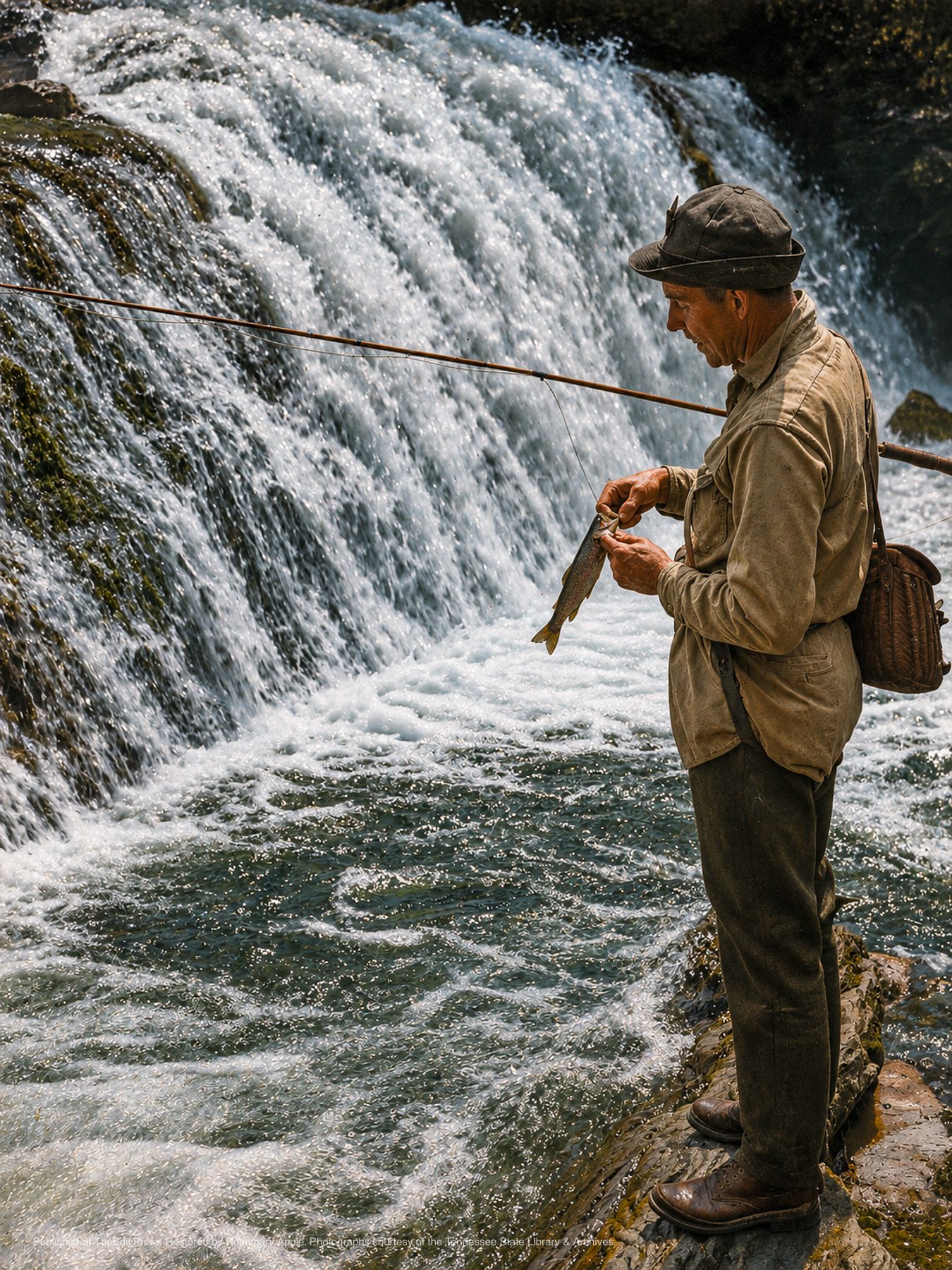
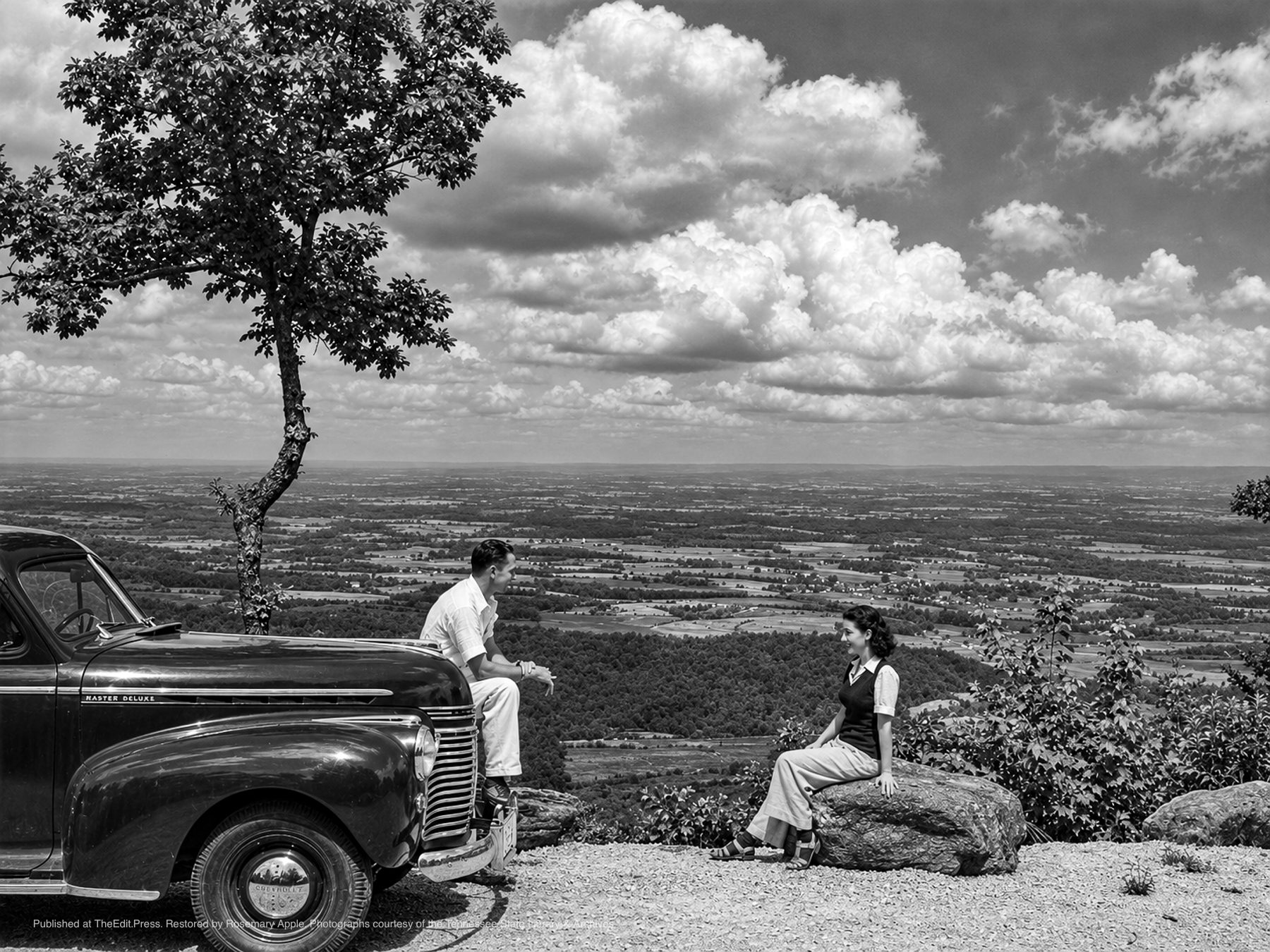
By the 1940s, Cherokee National Forest was attracting visitors for fishing, hunting, camping, and scenic drives. Mountain communities such as Tellico Plains and Benton increasingly welcomed travelers seeking outdoor experiences.

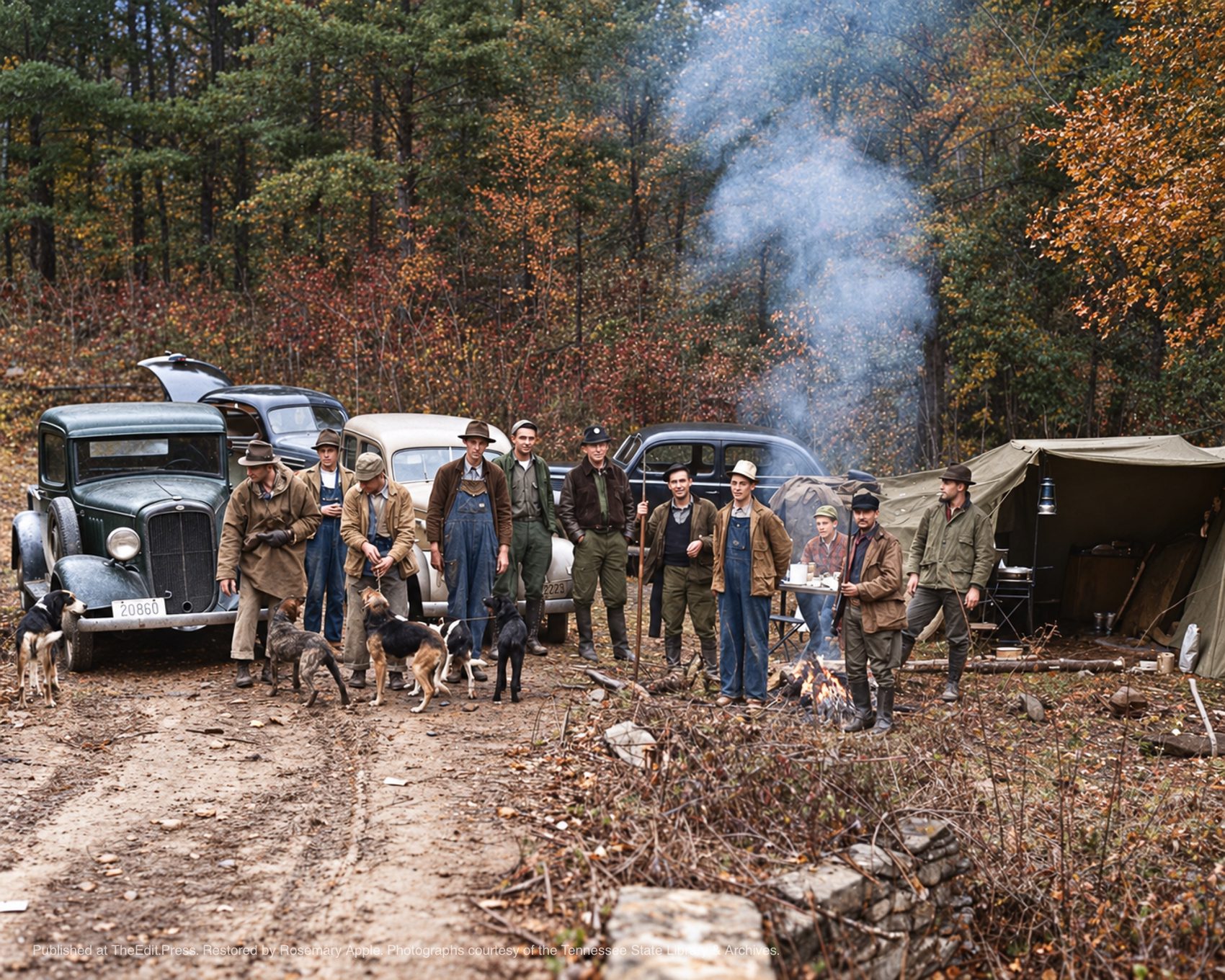
The southern forest became particularly well known for its wild boar hunting traditions, supported by experienced local guides and working hounds. Along the Ocoee River, nearby Parksville Lake offered another destination for summer recreation.

The photographs collected here document this changing relationship with the land—a period when conservation, recreation, and rural traditions were becoming intertwined, shaping the Cherokee National Forest known today.

Pictured: Parksville Lake within the Cherokee National Forest. See more.

media gallery

Our Heritage Collection features curated images of various times and places.

Each has been professionally enhanced in house for the sake of clarity and colorized for historical interpretation. Images courtesy of the Tennessee State Library & Archives. 

Leave a Reply

Your email address will not be published. Required fields are marked *

more to discover

Fire Towers

A look back at Tennessee’s historic fire lookout towers, the watchmen who stood guard, and the elevated landmarks that once protected the state’s forests. circa 1938 – 1953

Read More

Exclusive content. The latest drops.
Nothing ordinary.

Send a Note

Exclusive content.
The latest drops.
Nothing ordinary.