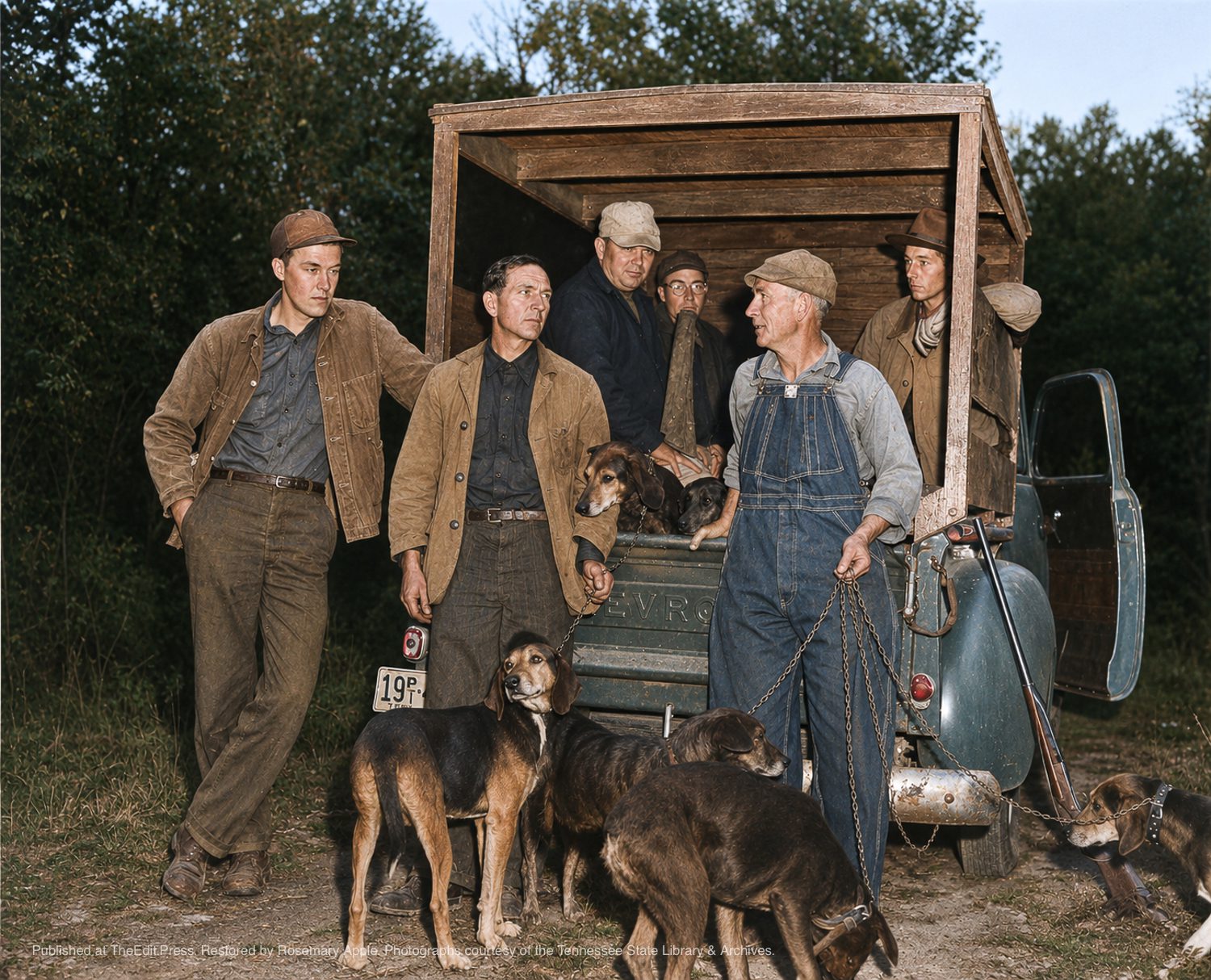
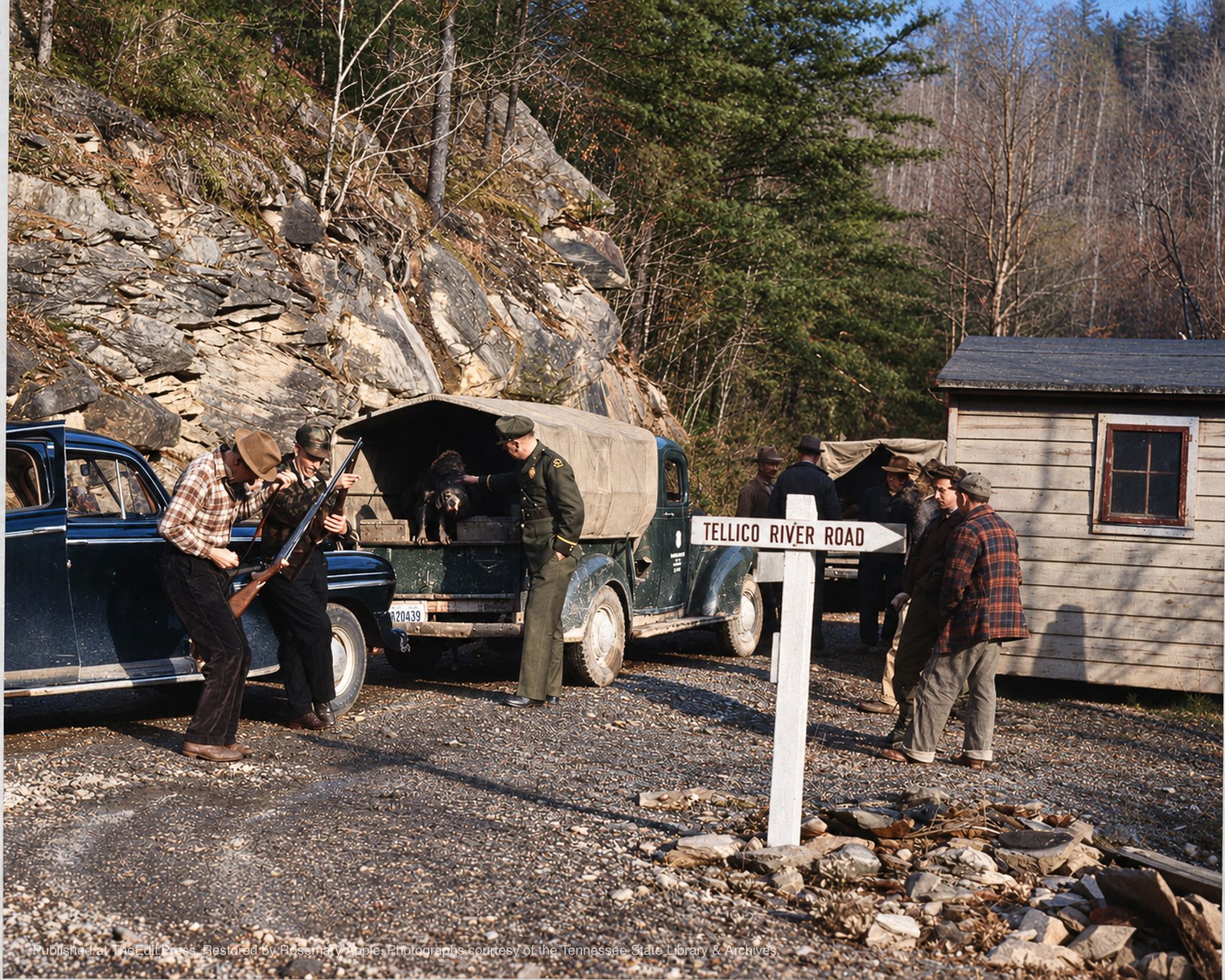
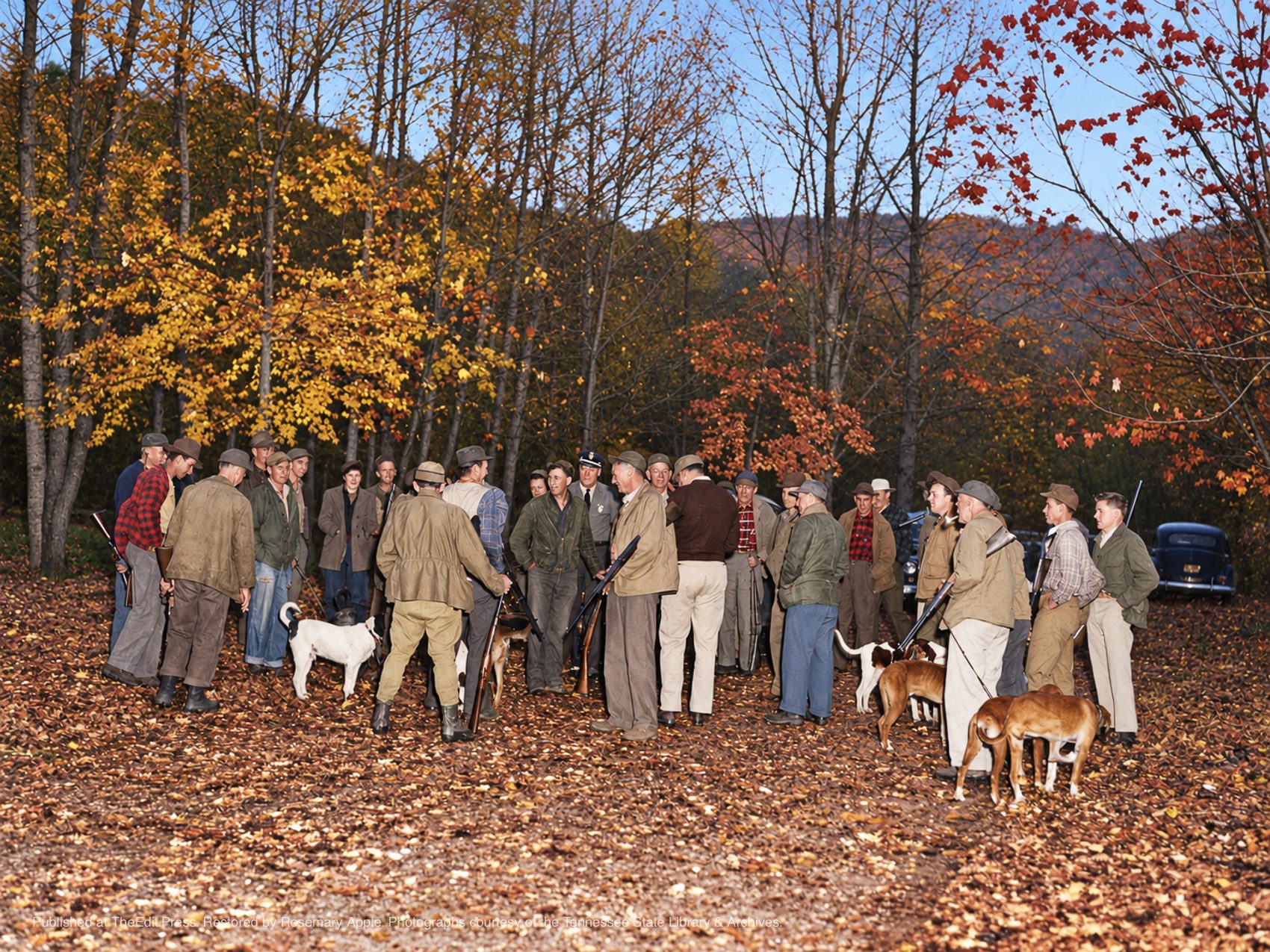
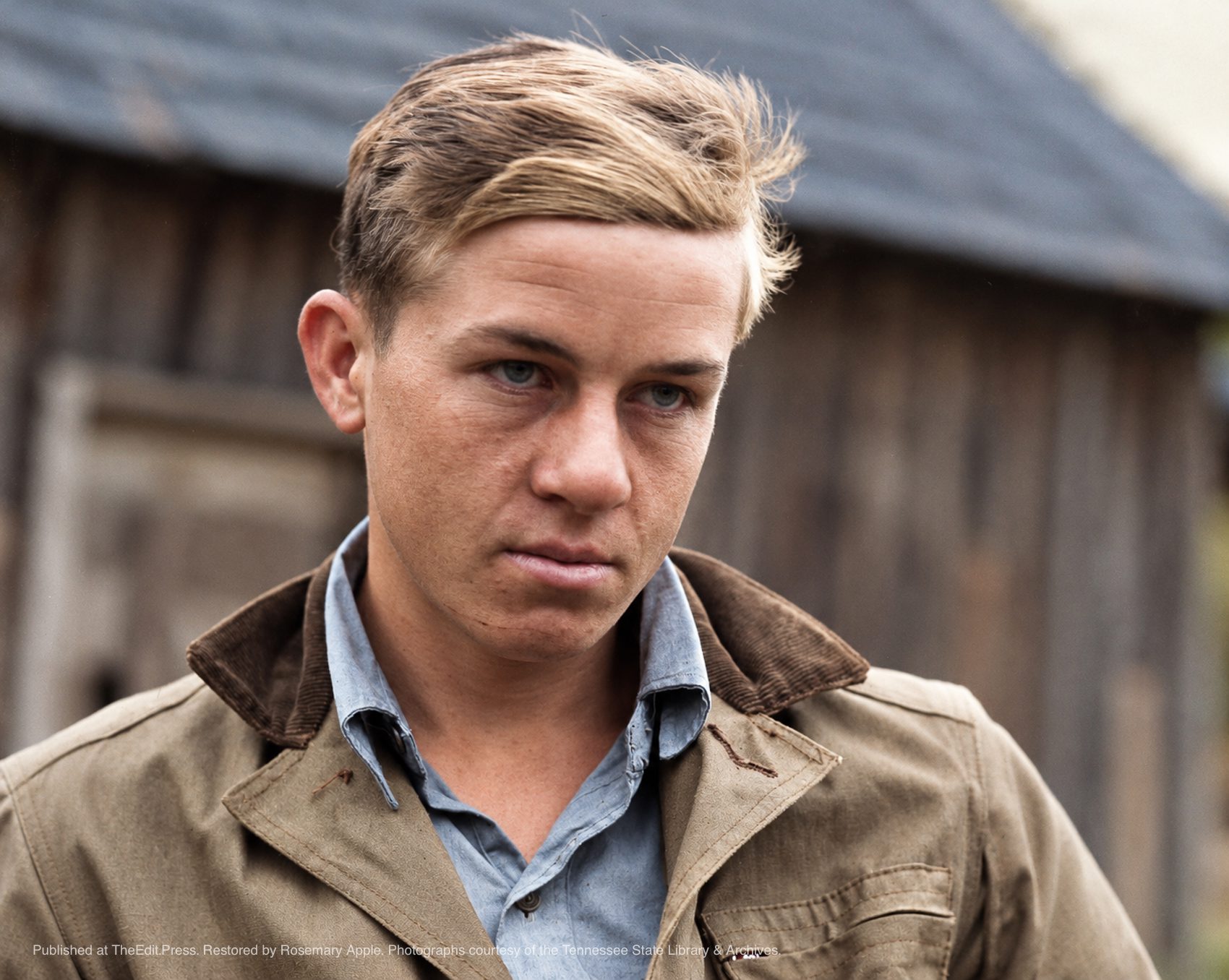
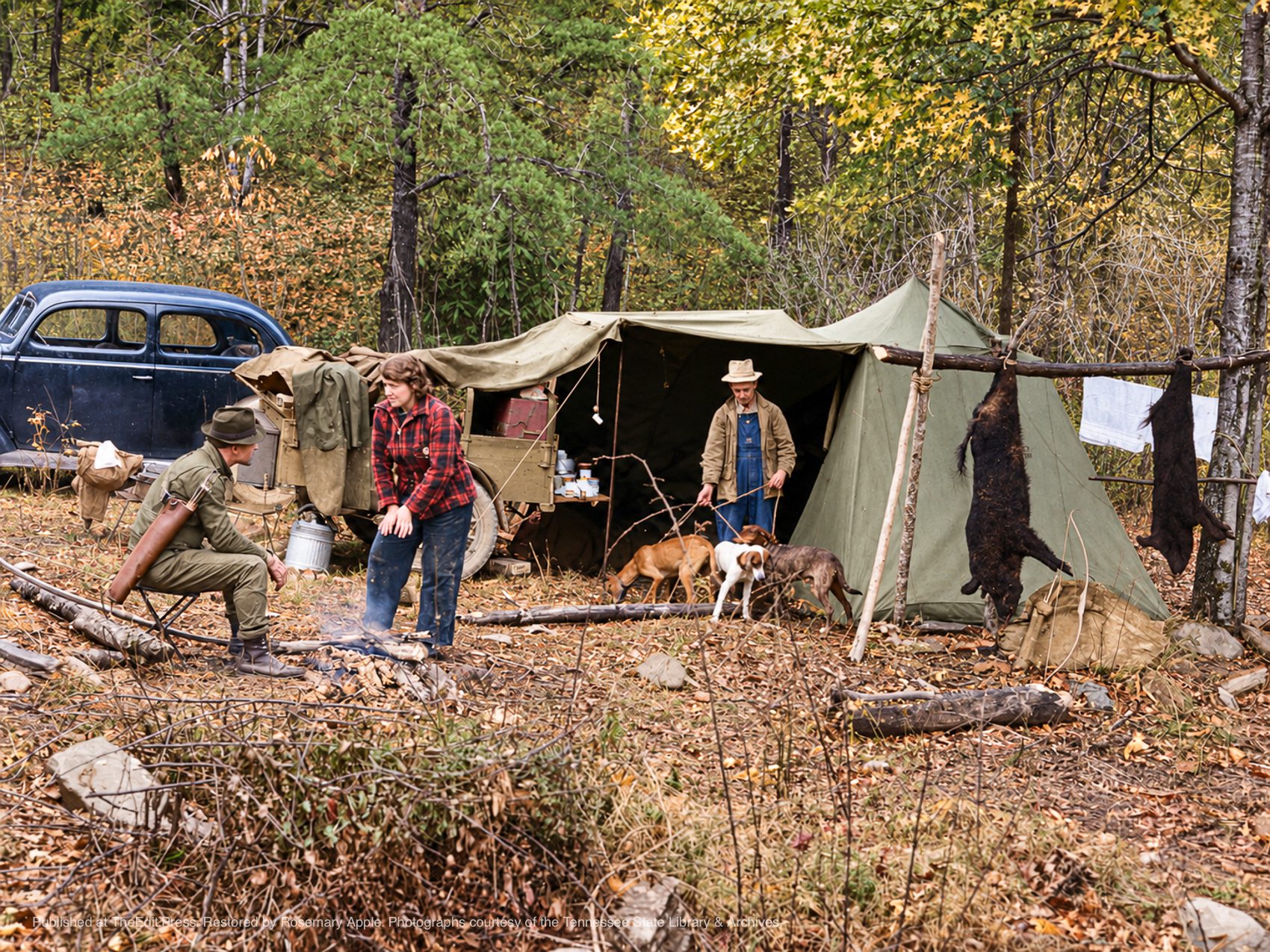
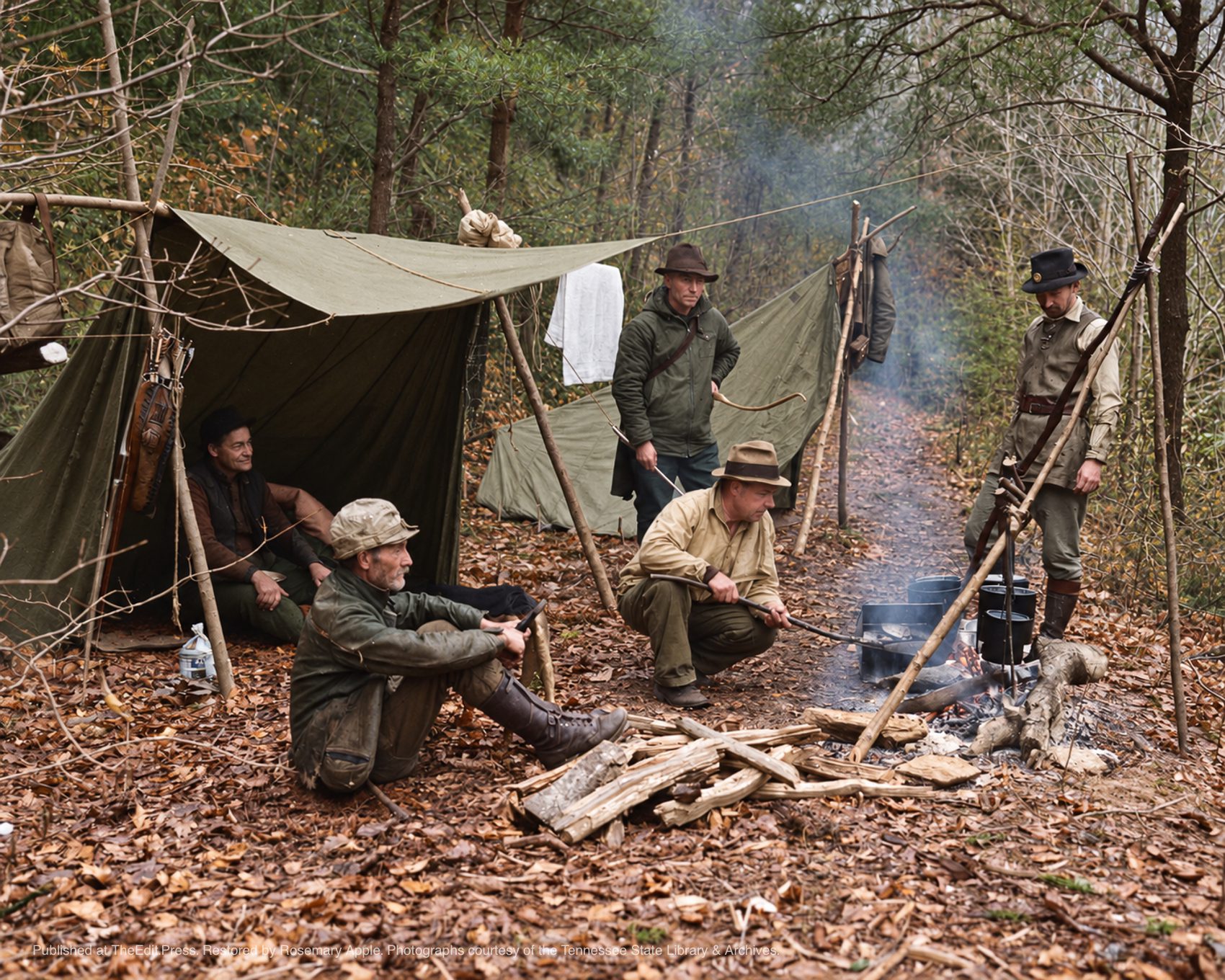
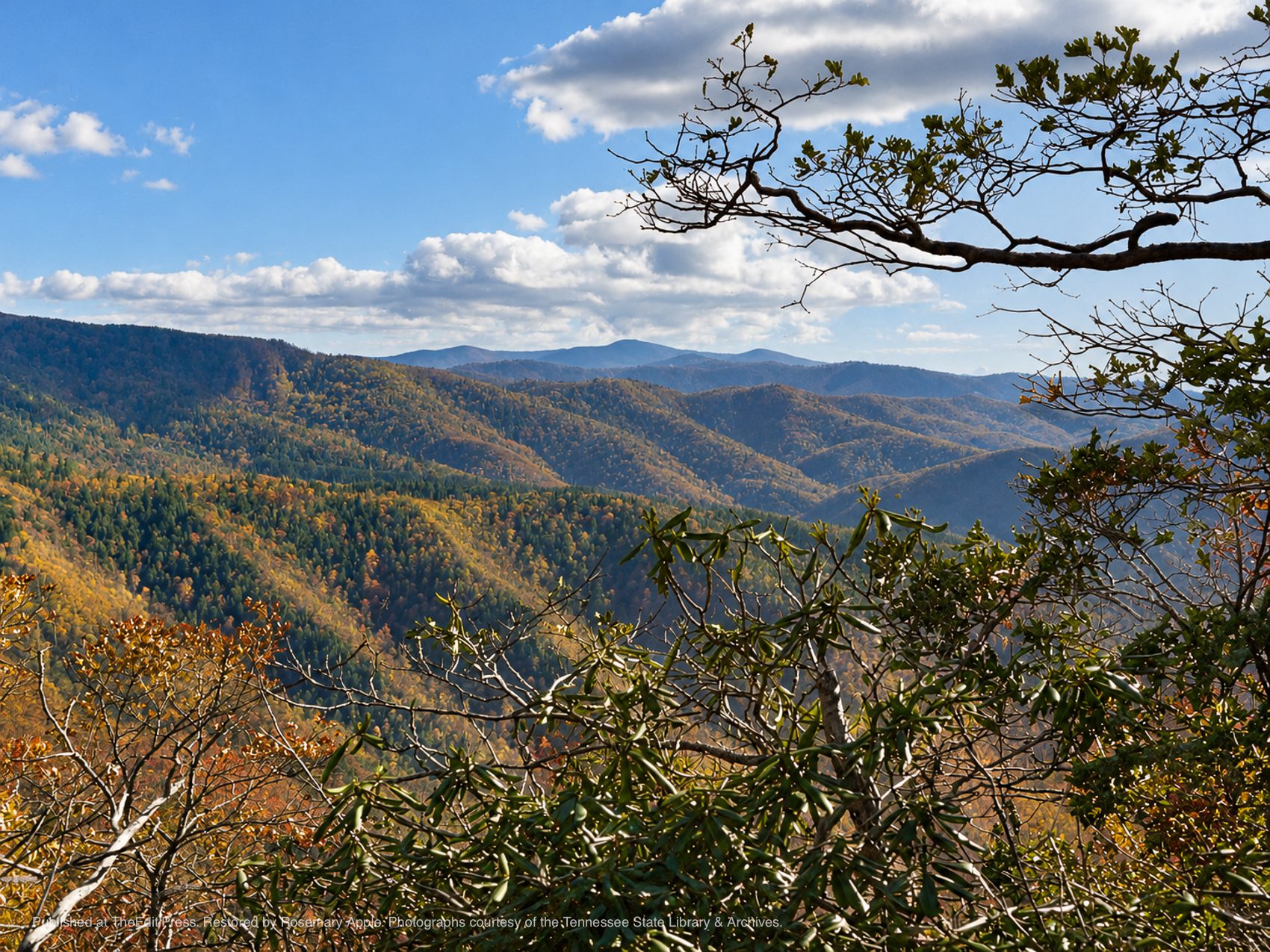
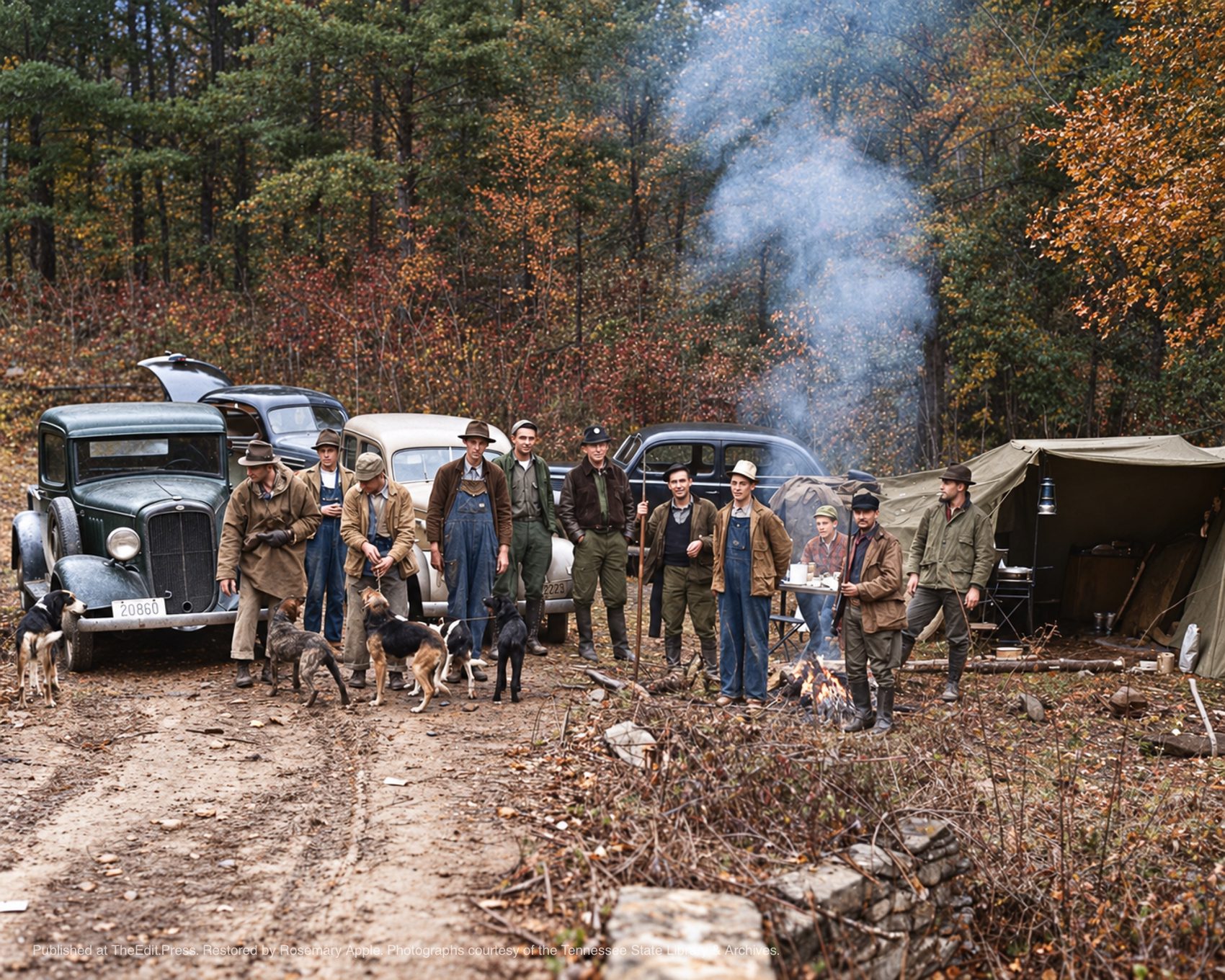
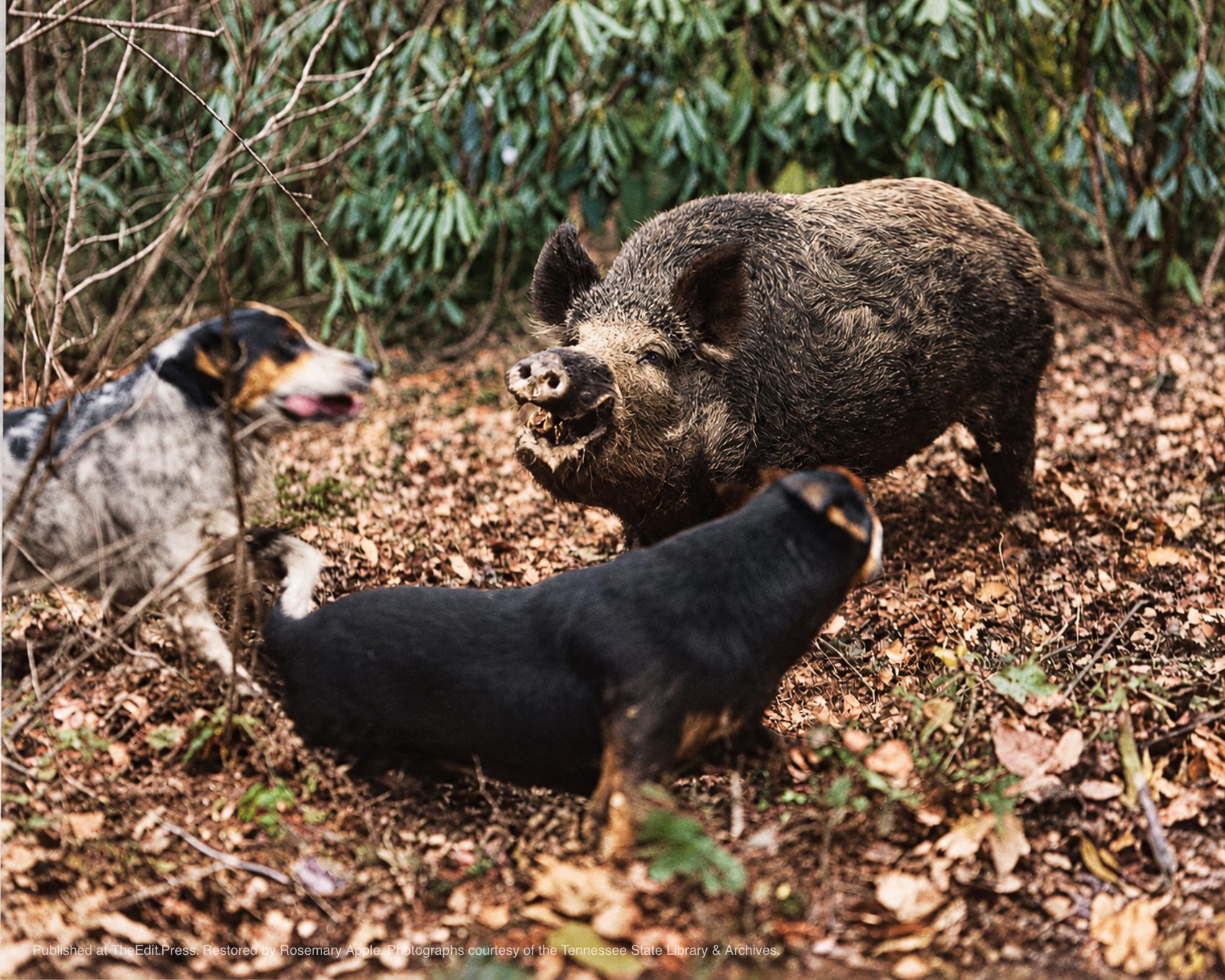
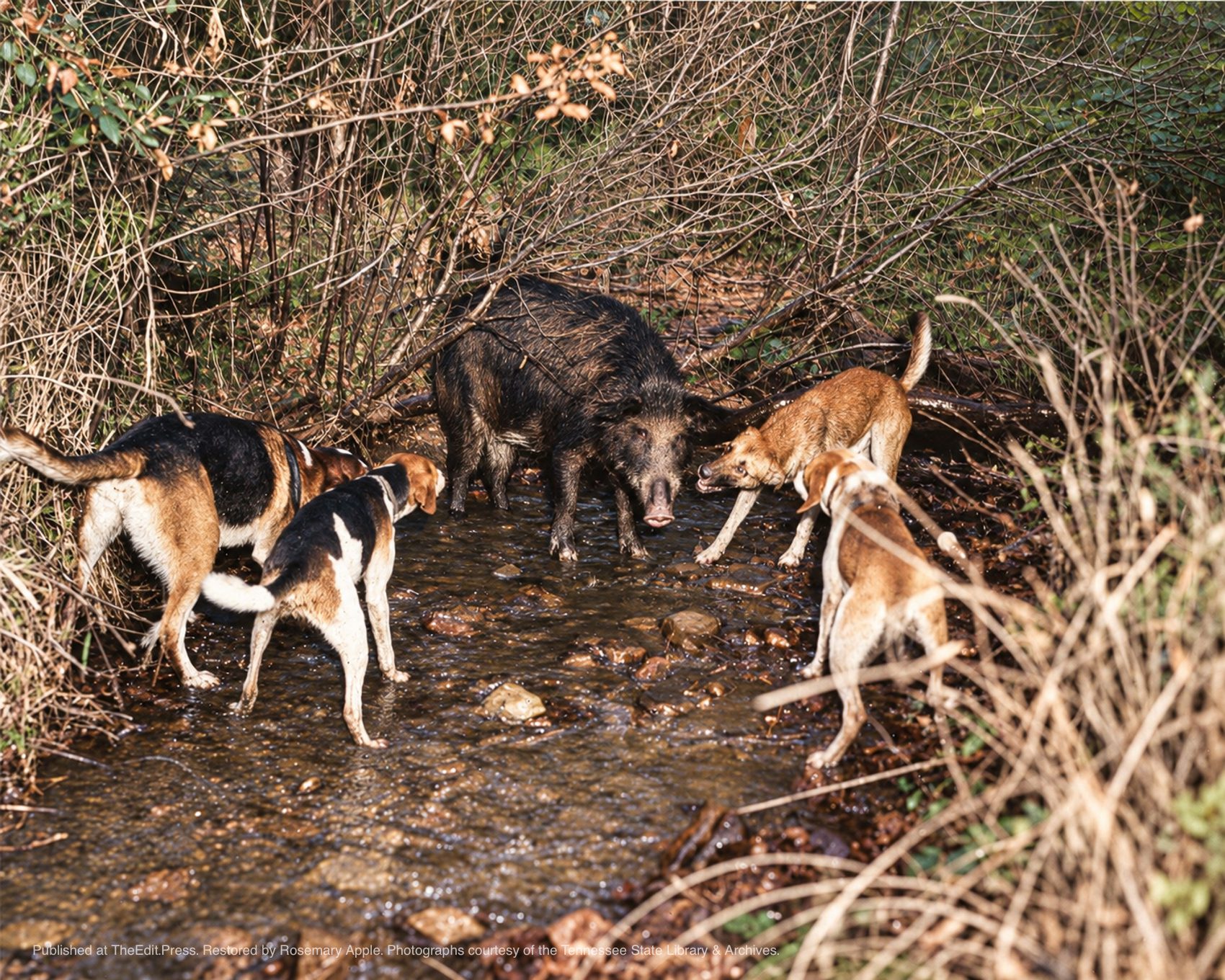
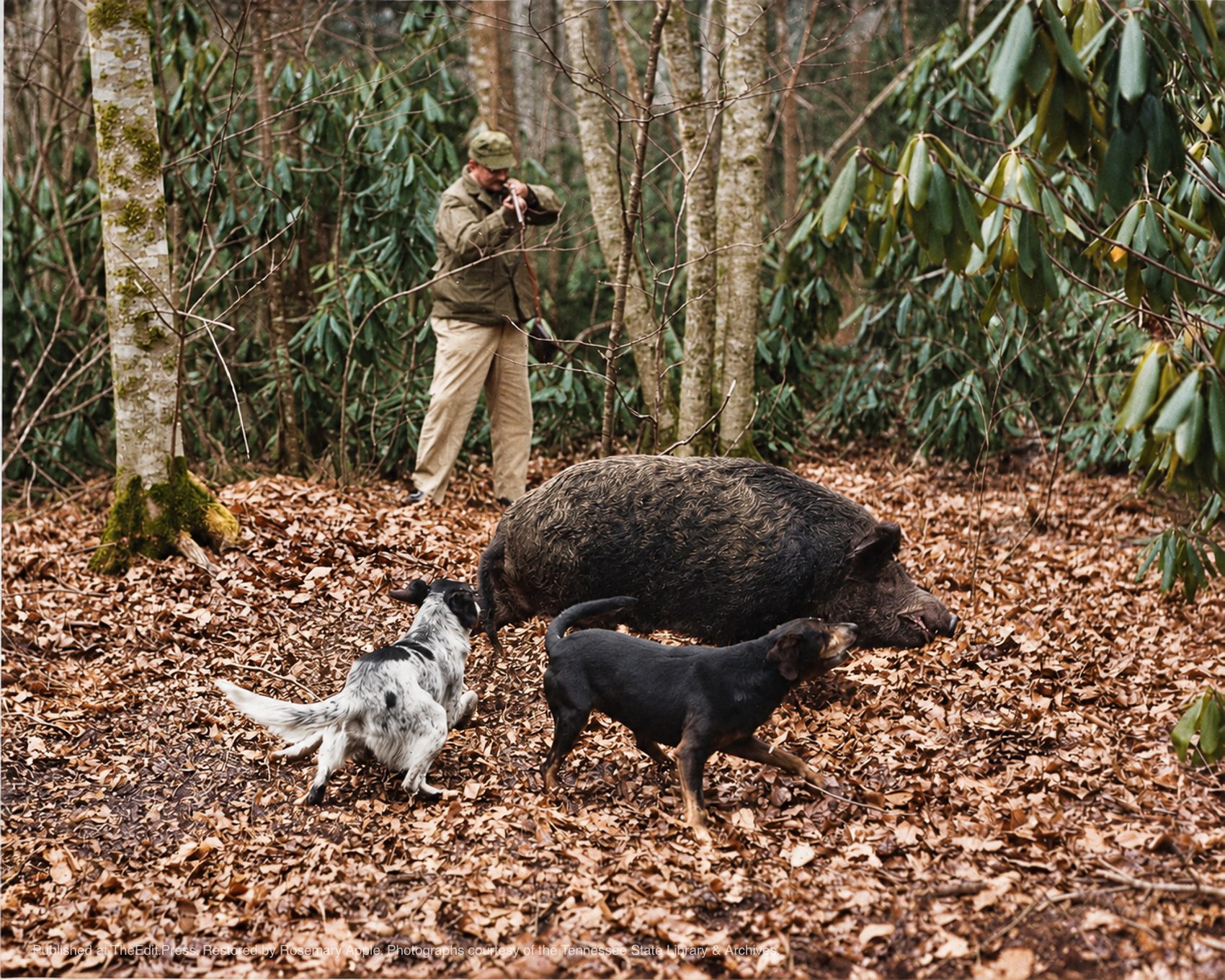
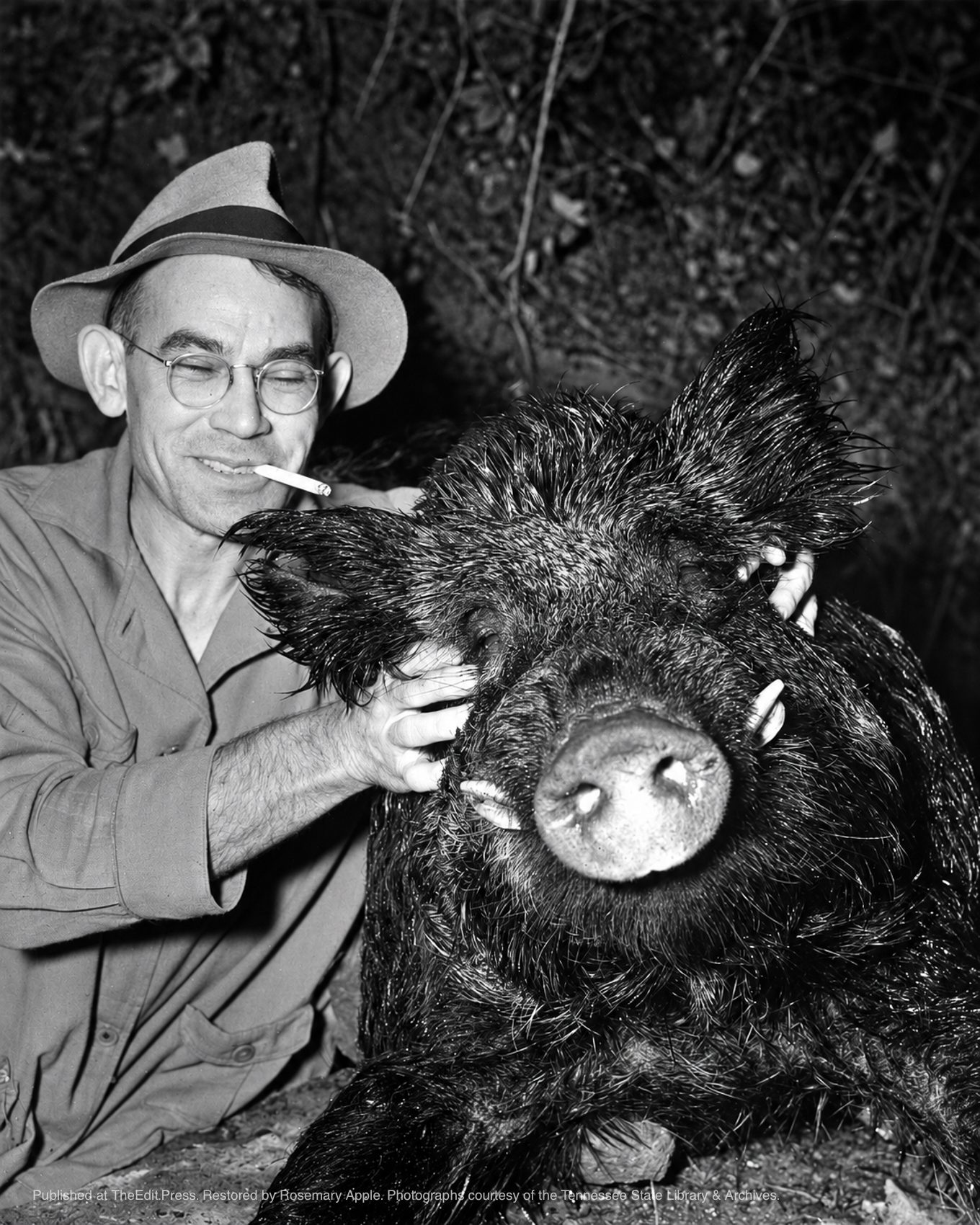
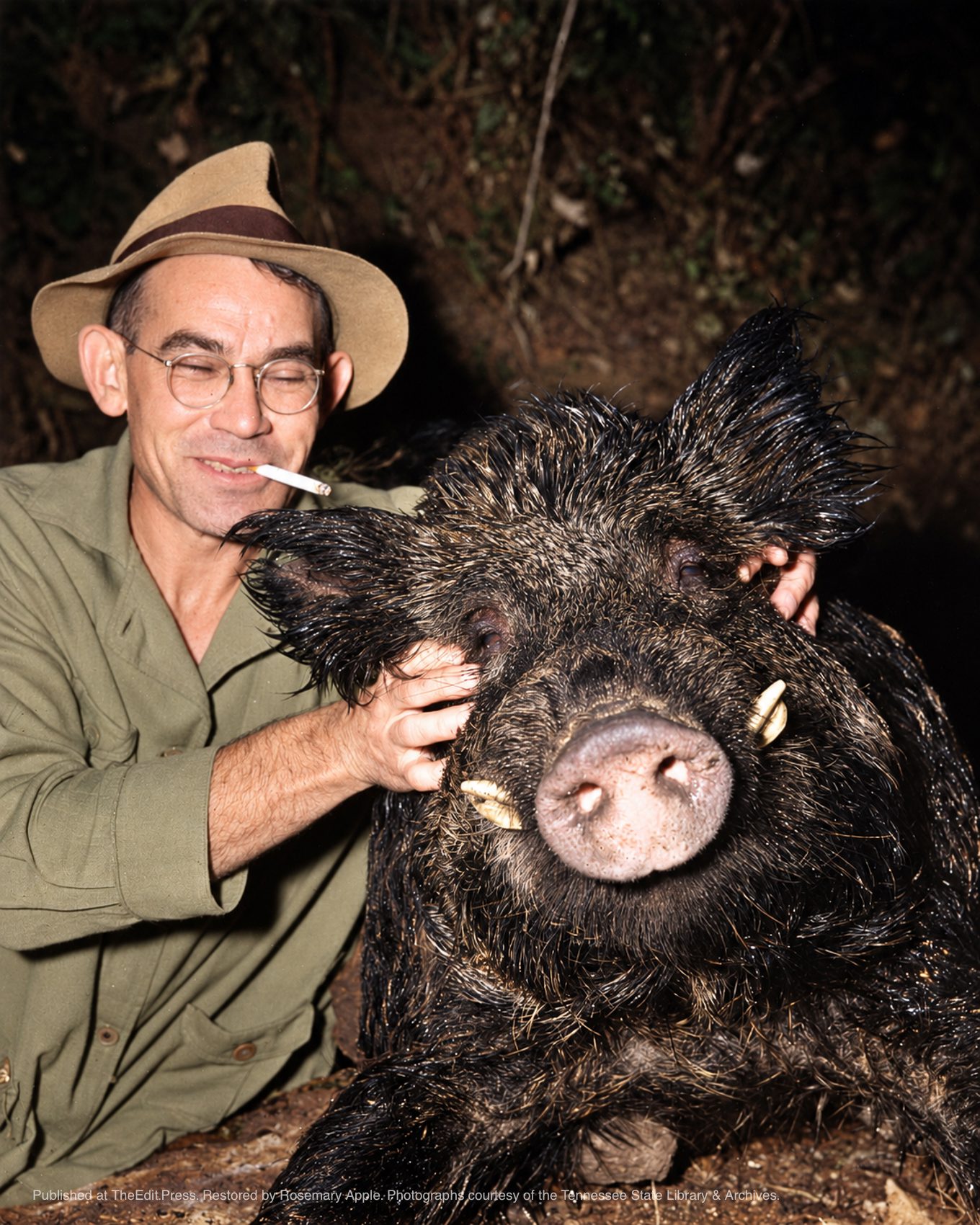
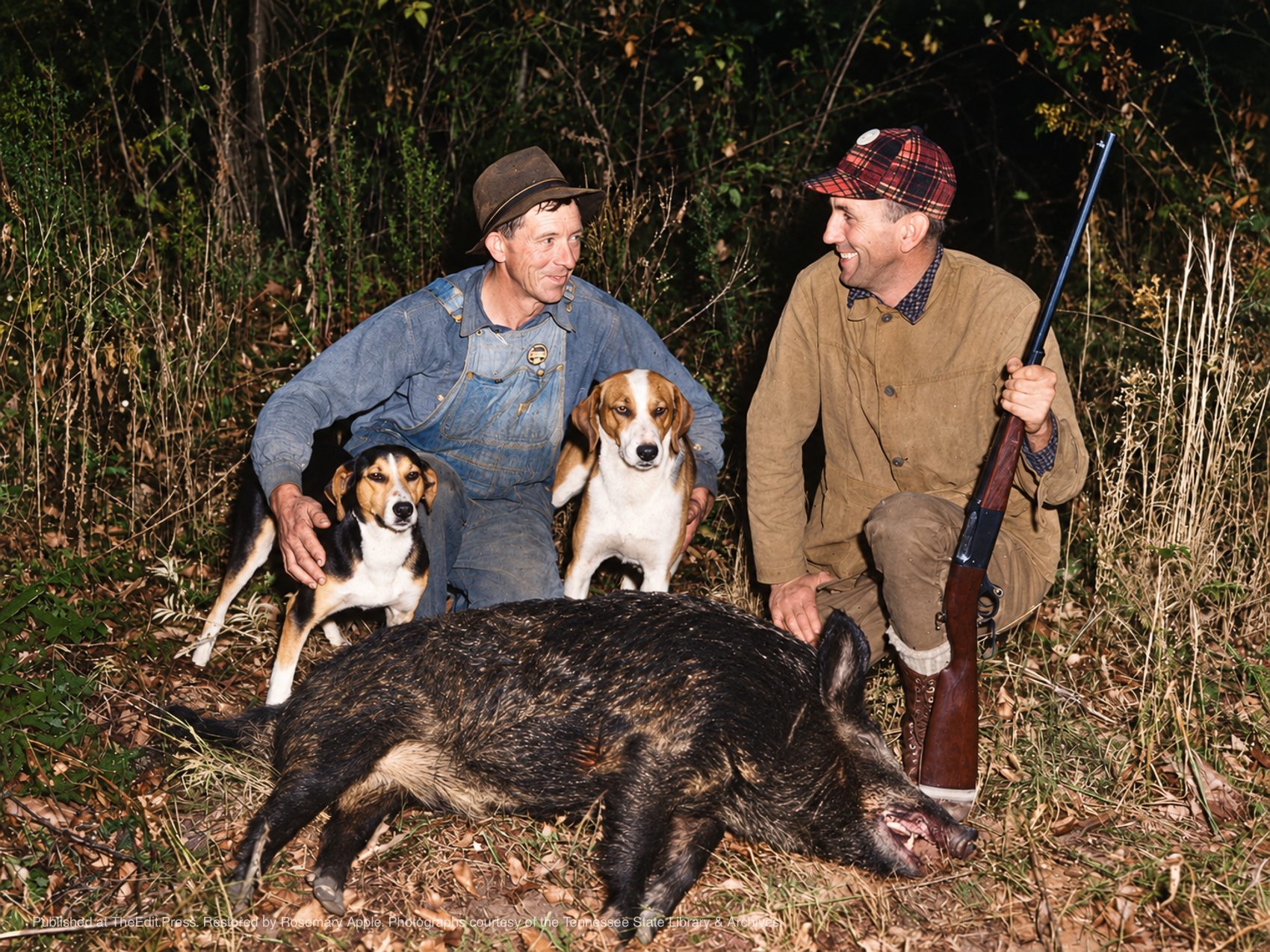
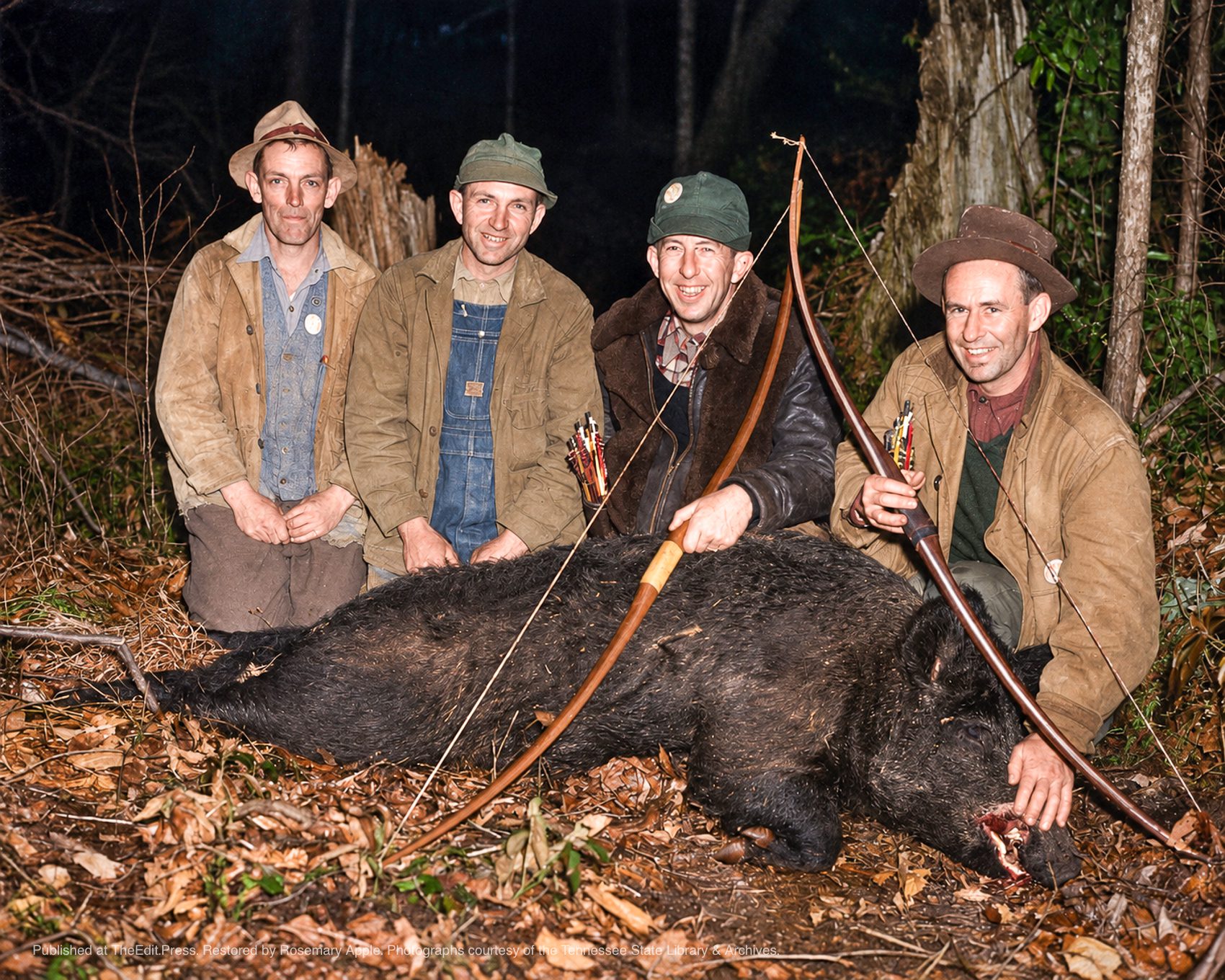
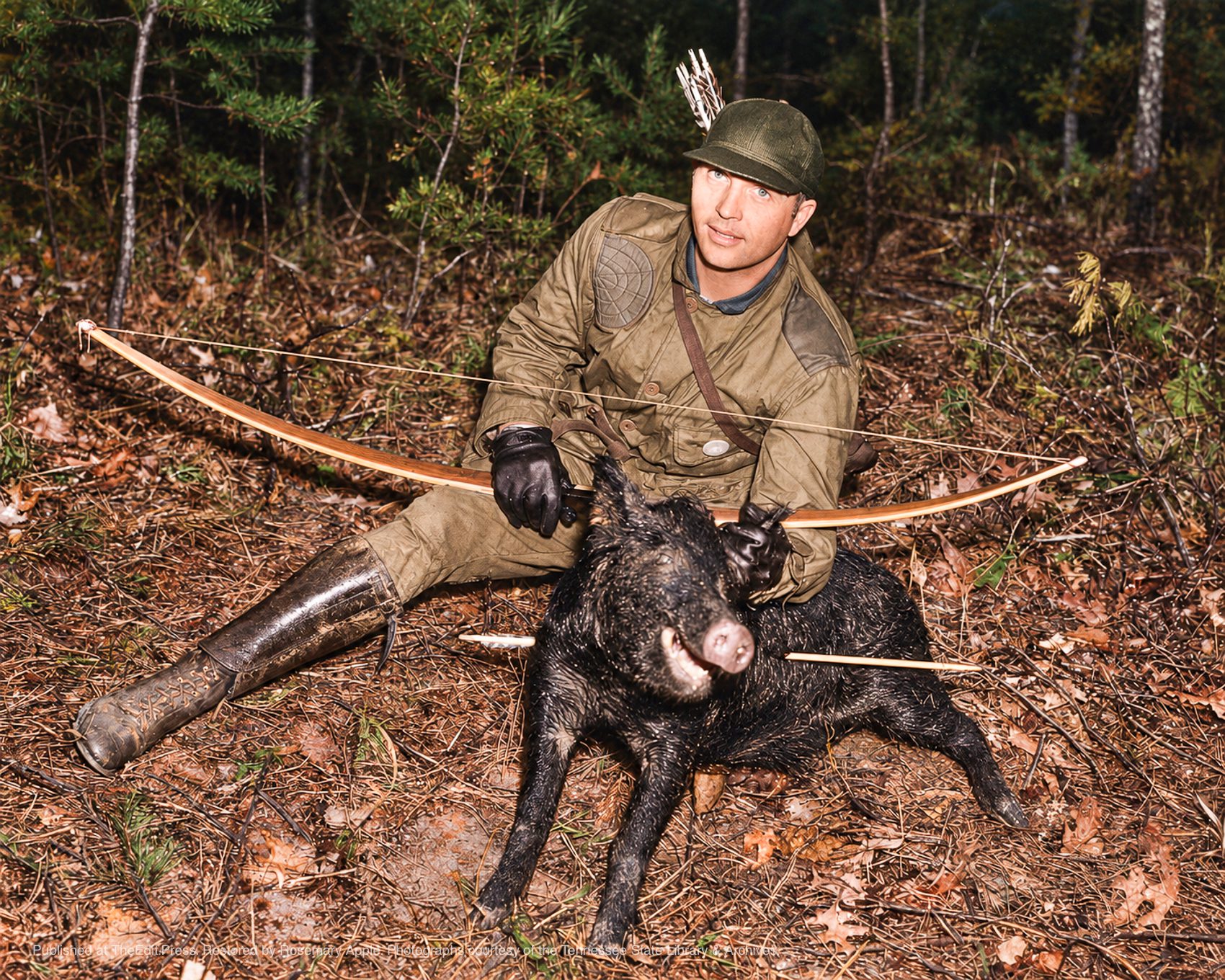
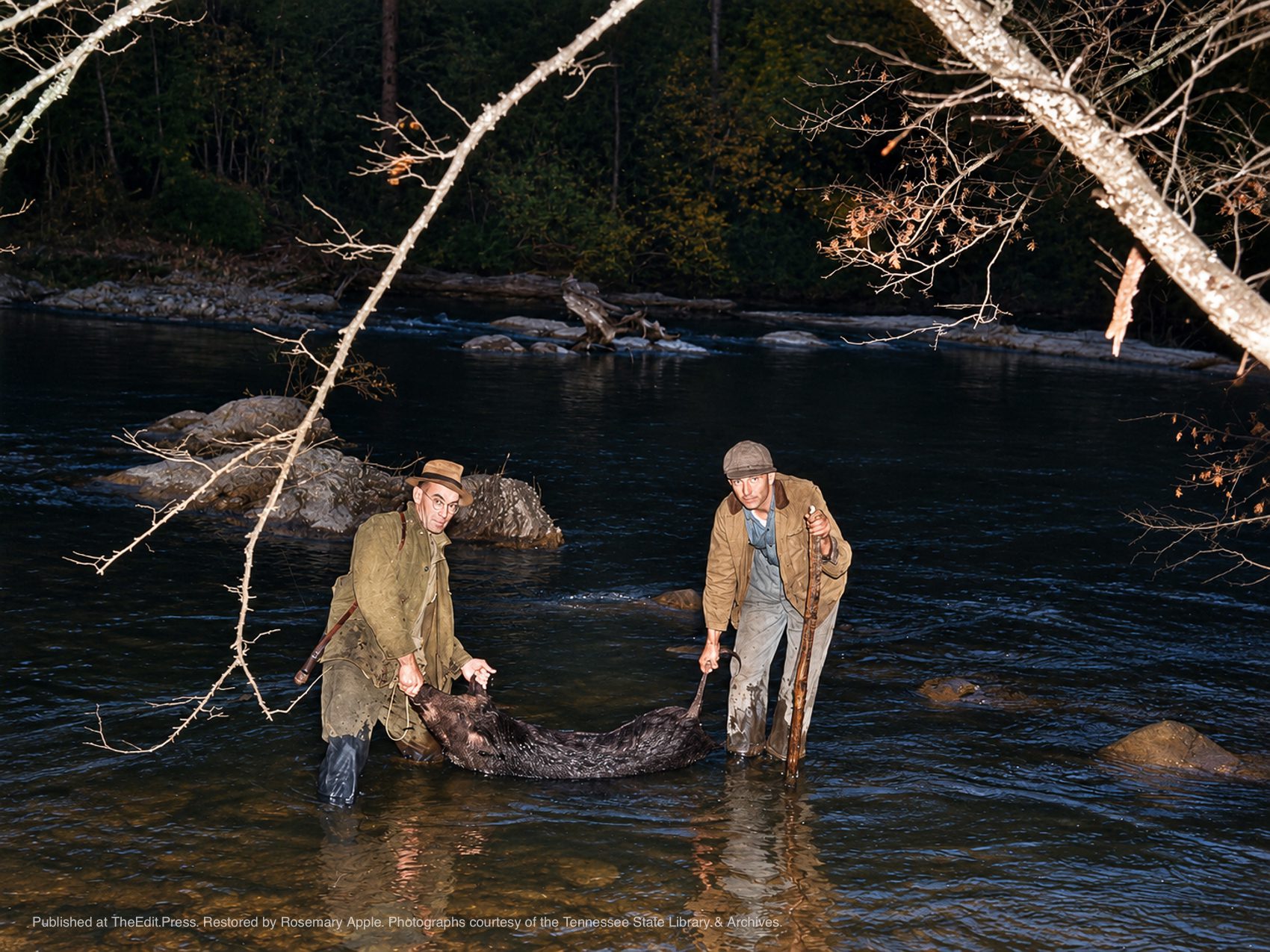
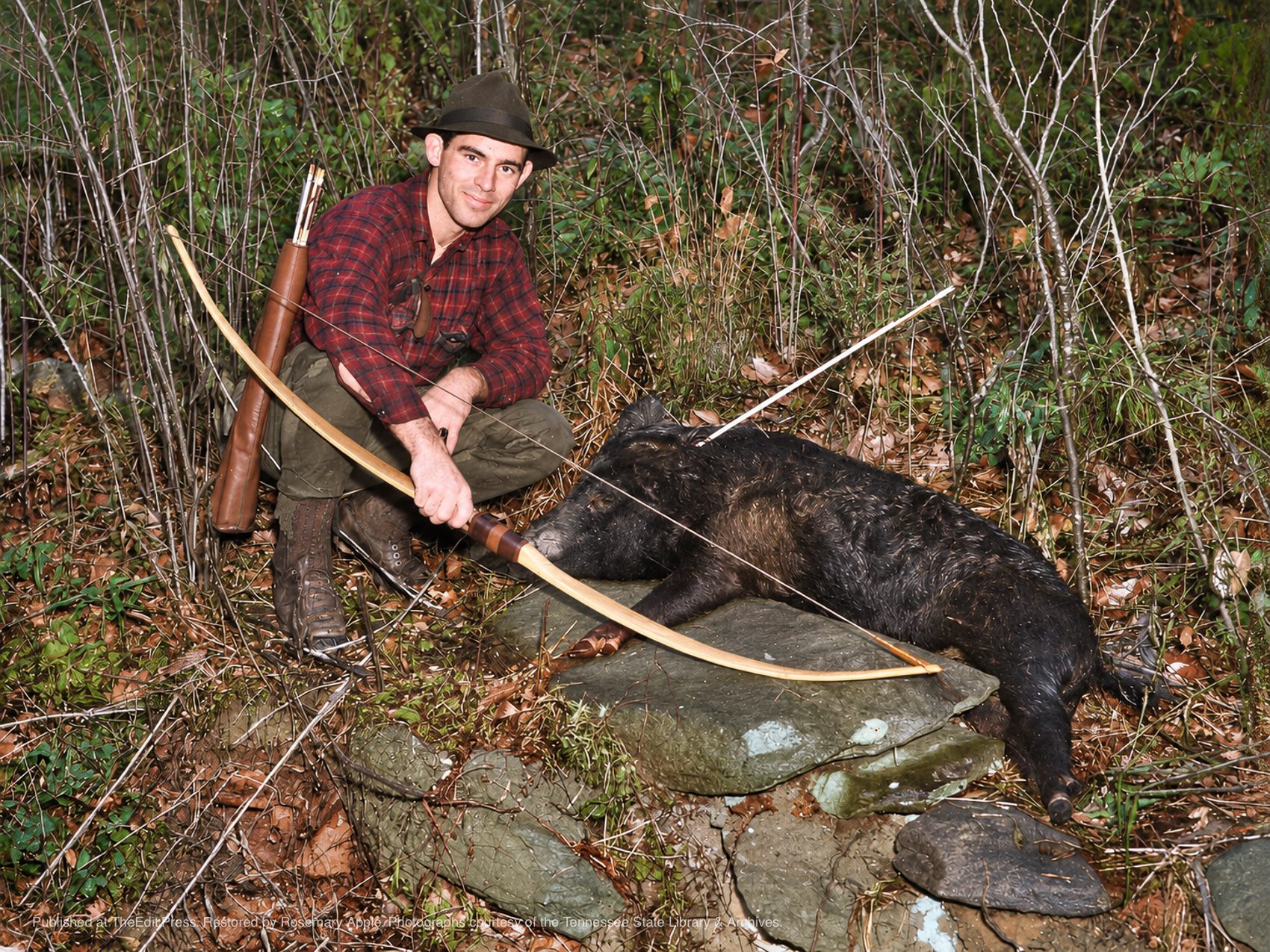
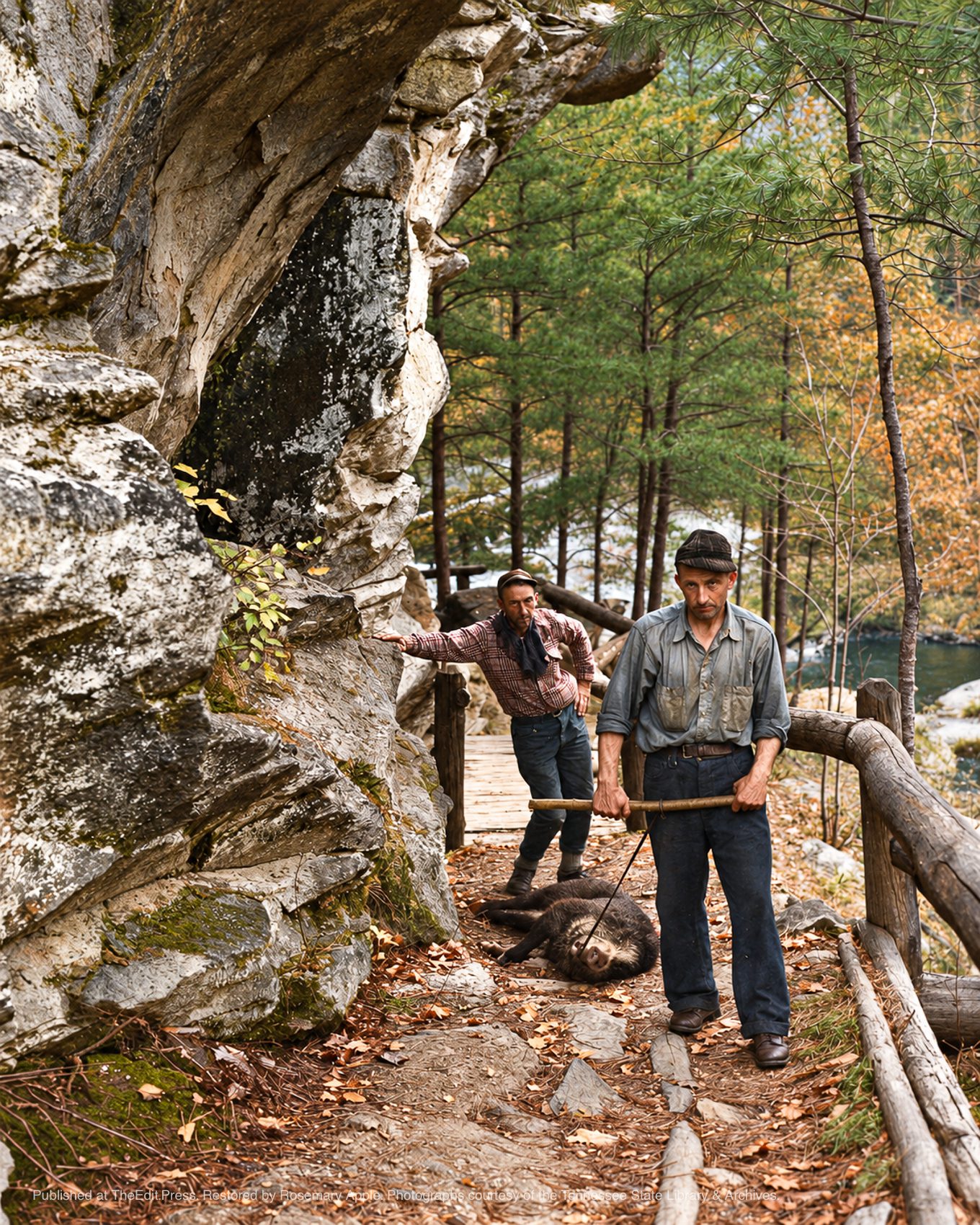
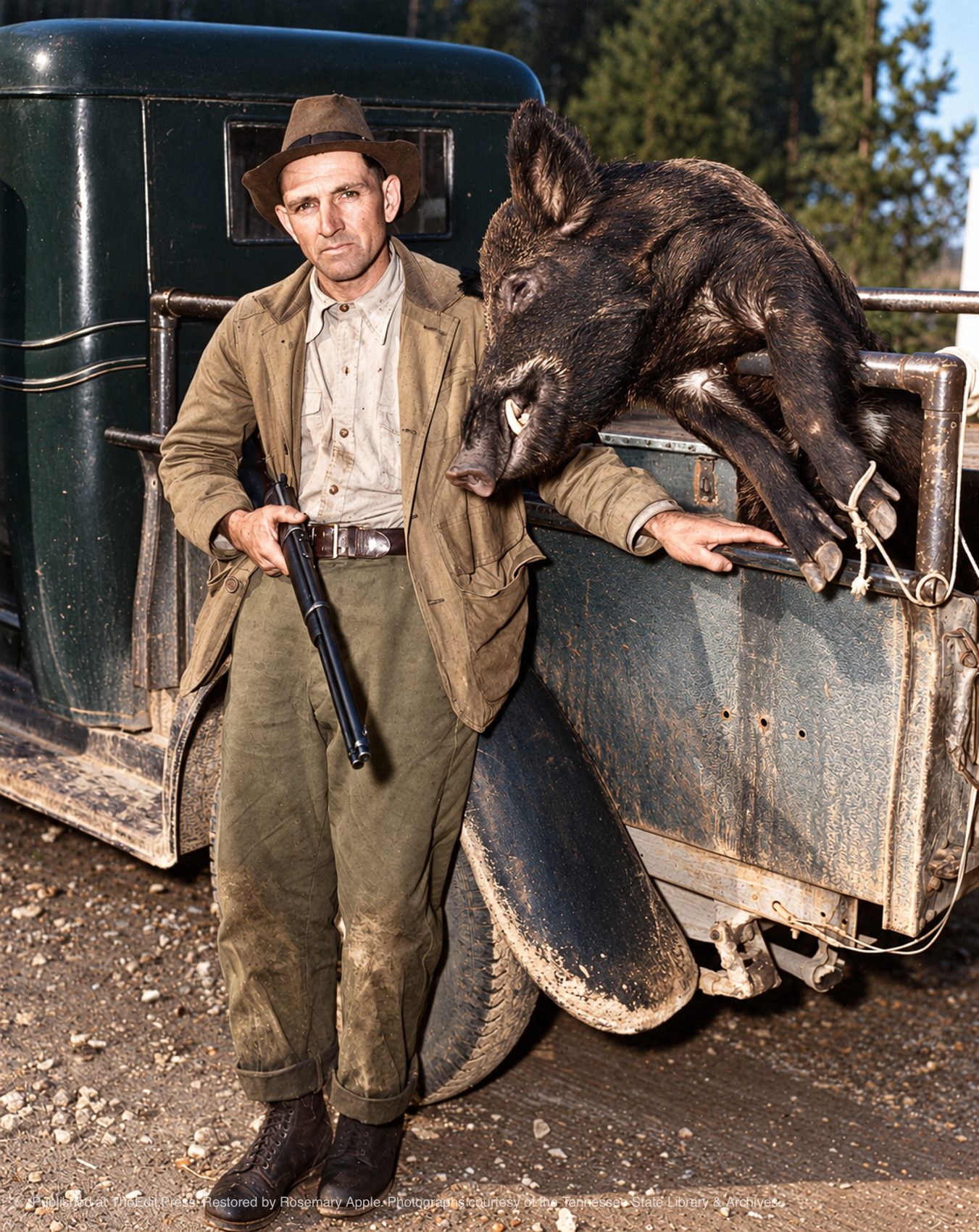
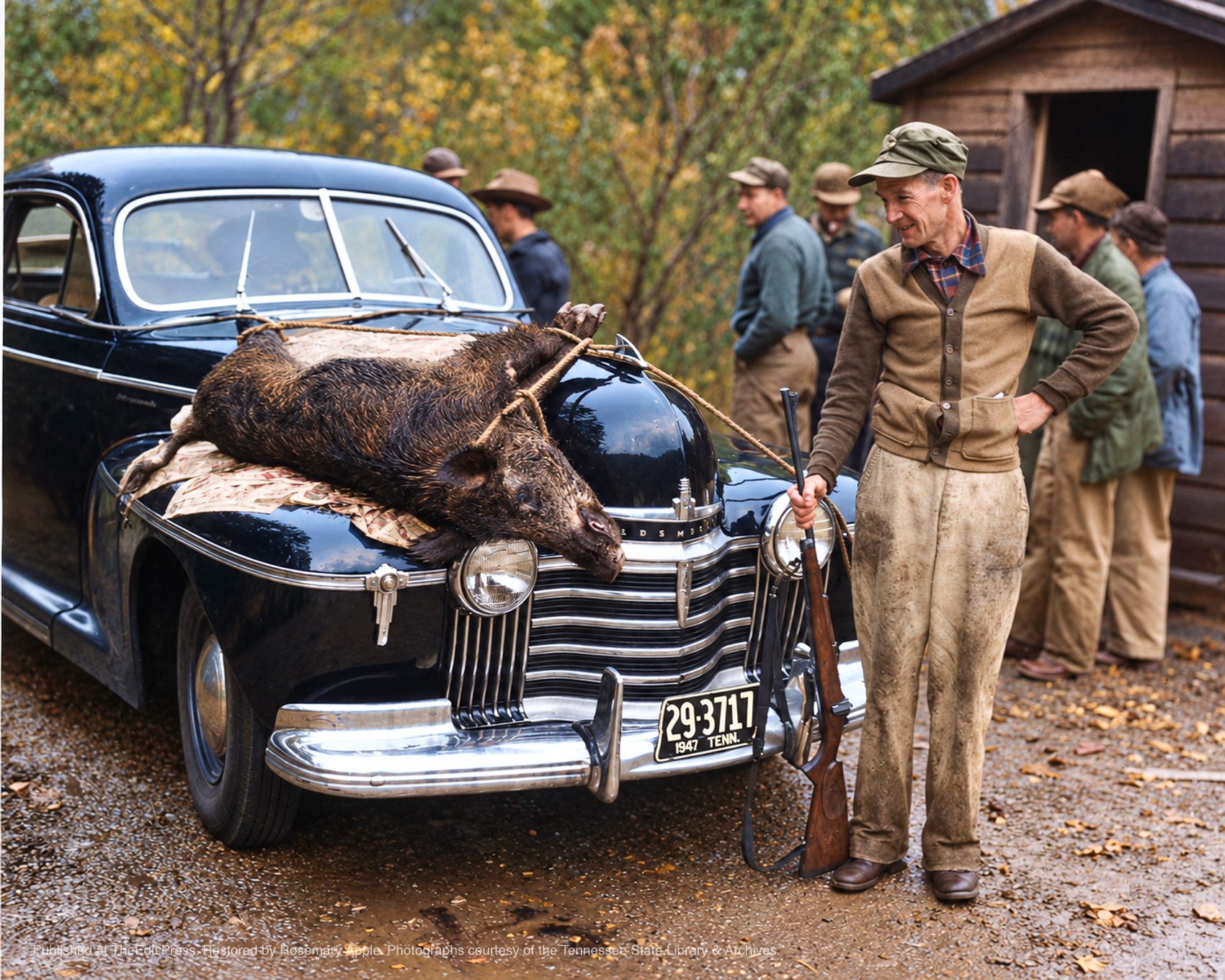
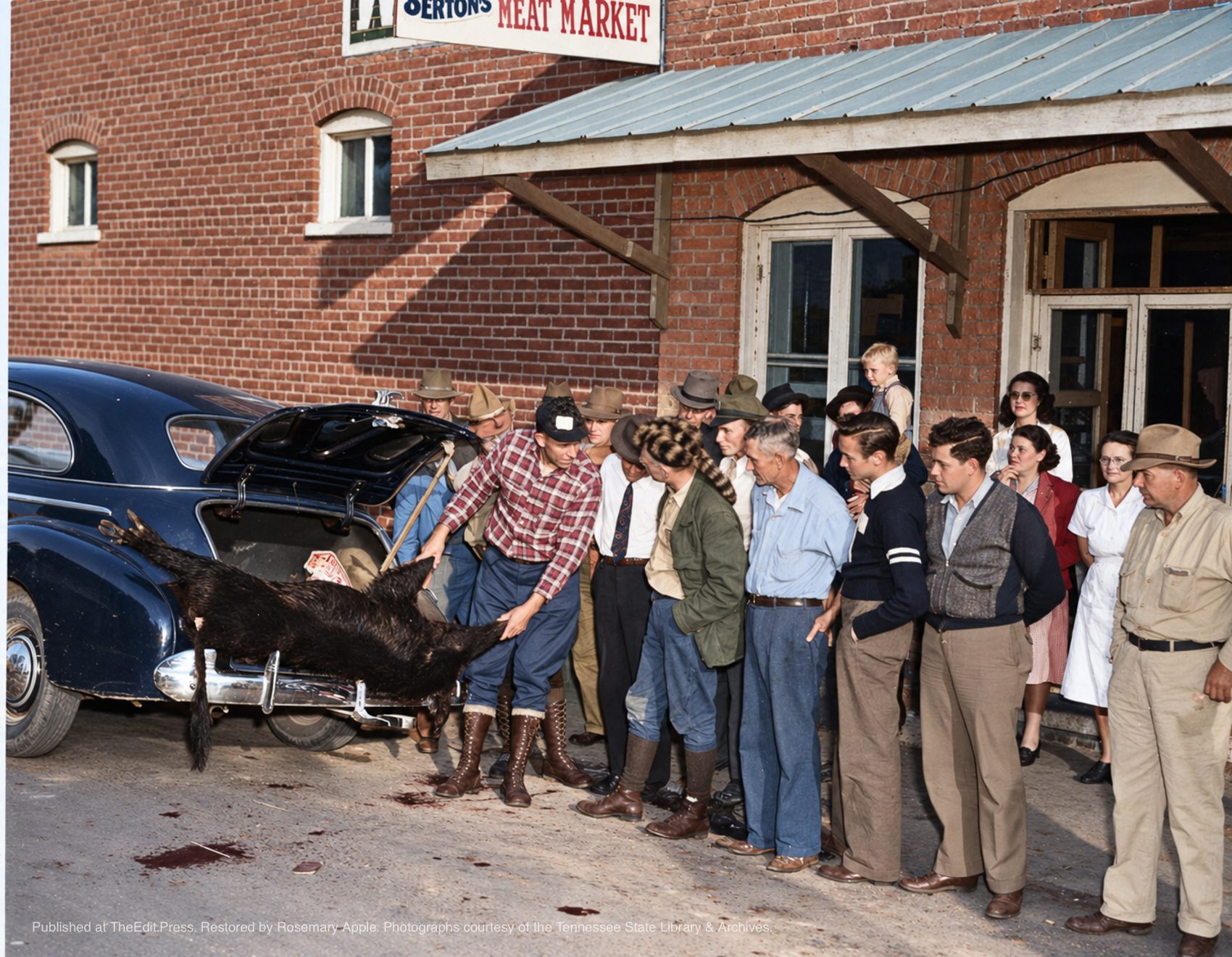
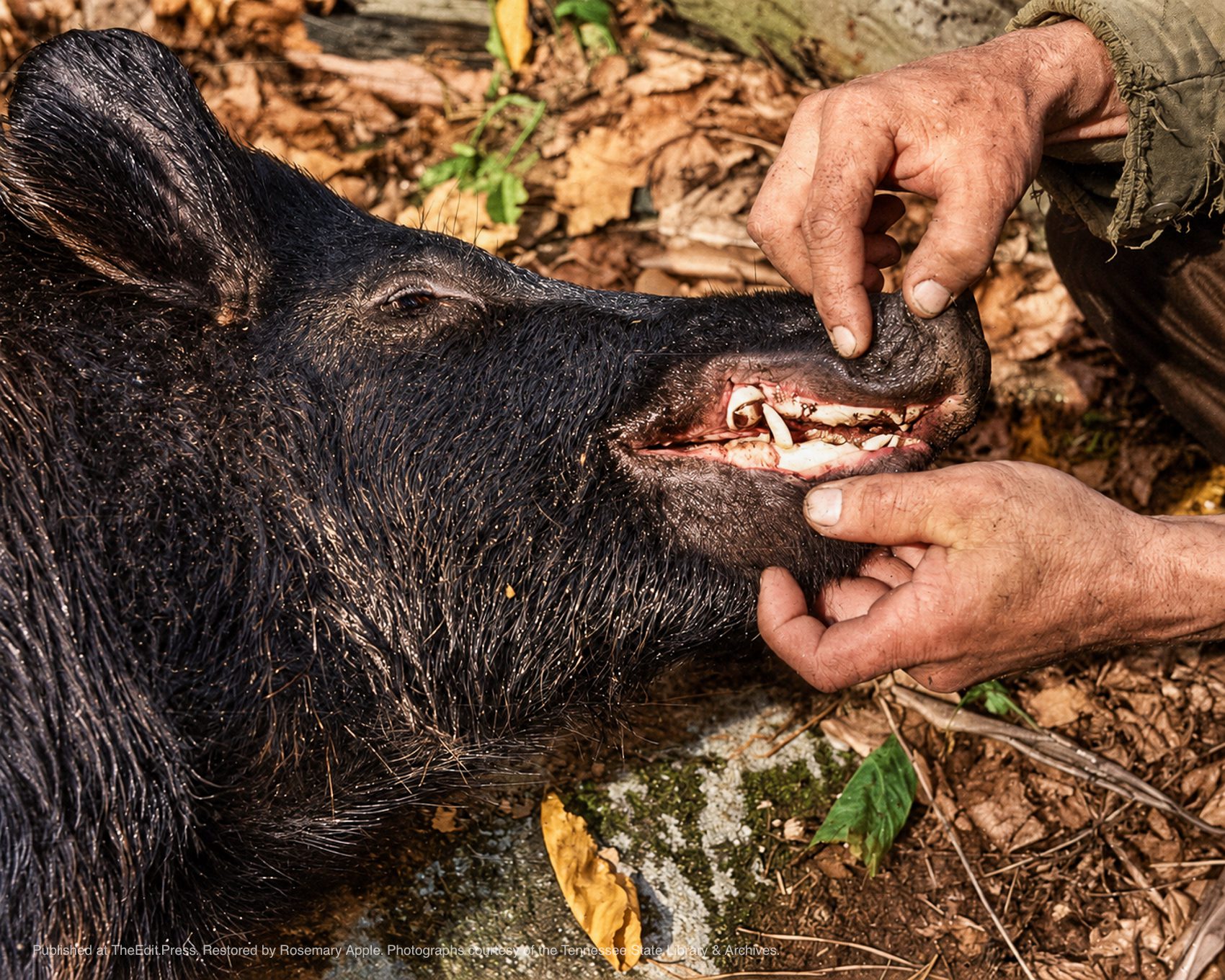
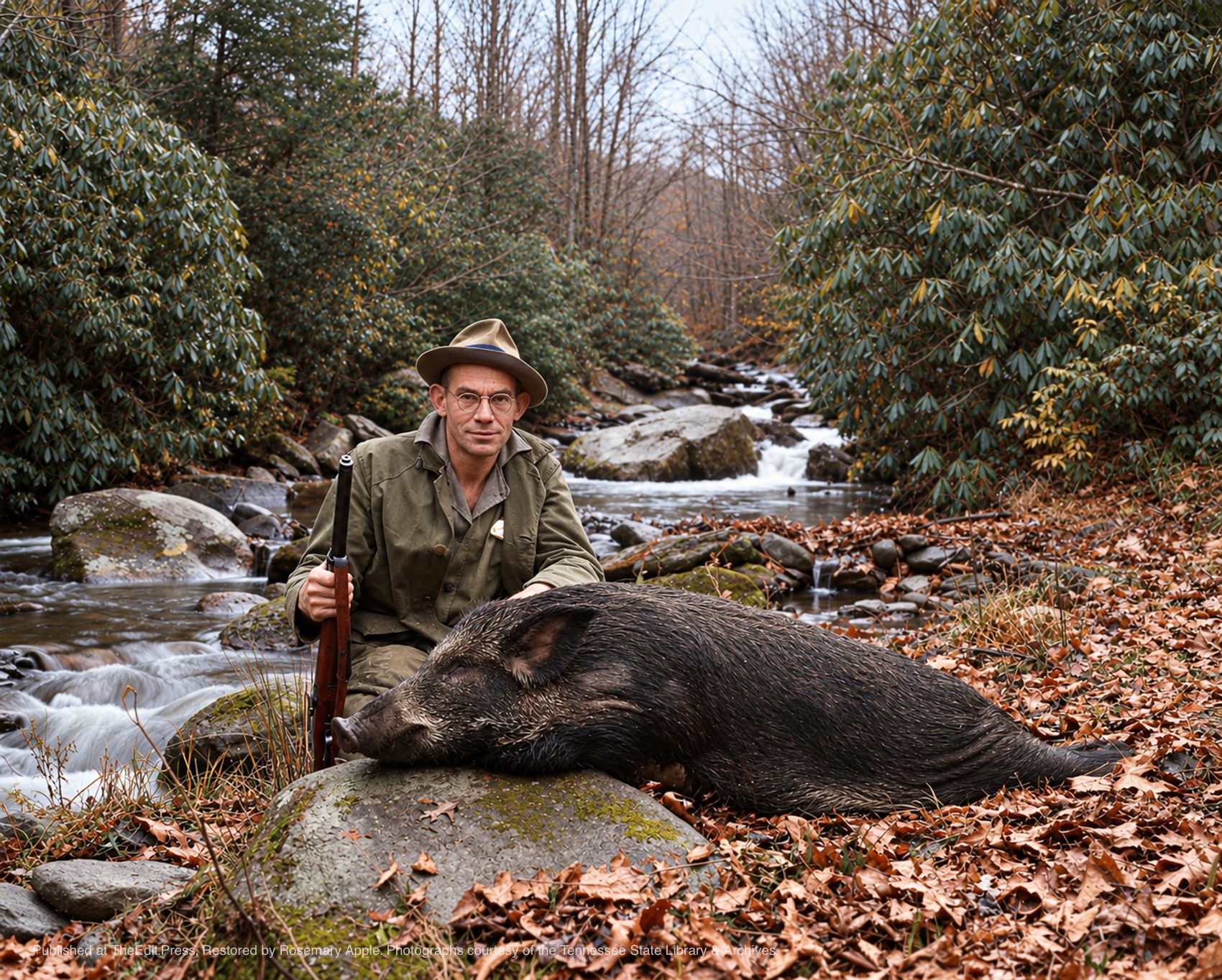
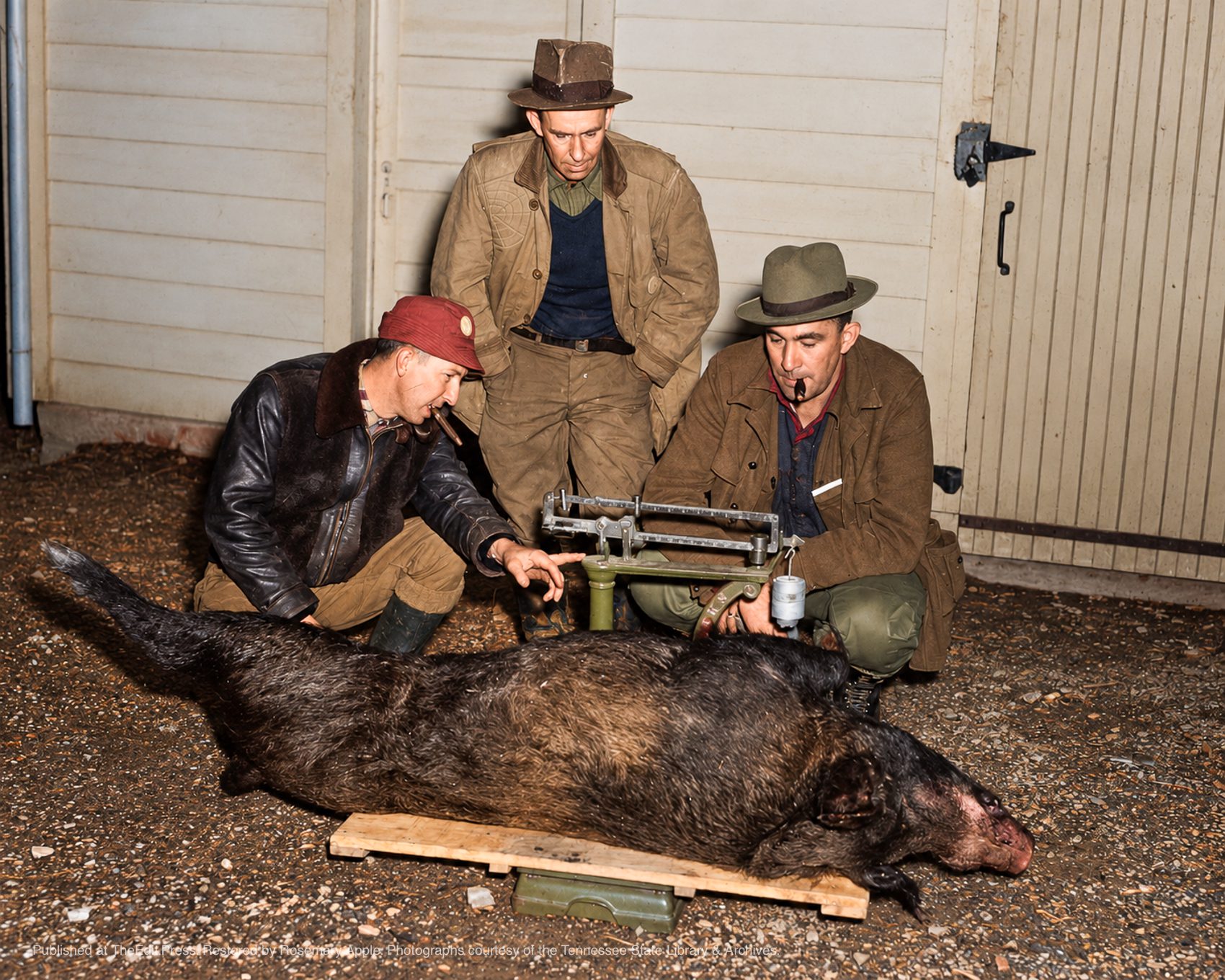
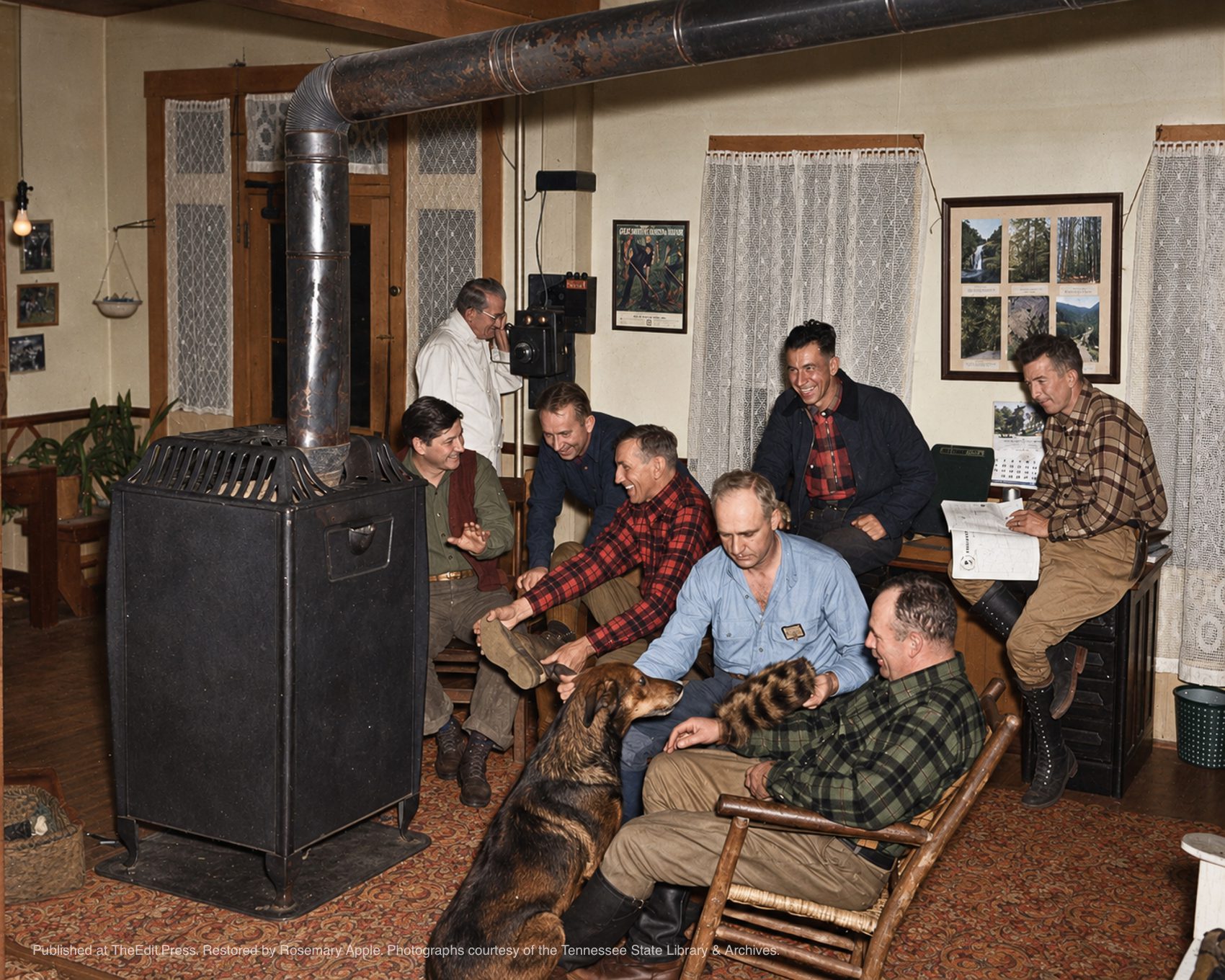
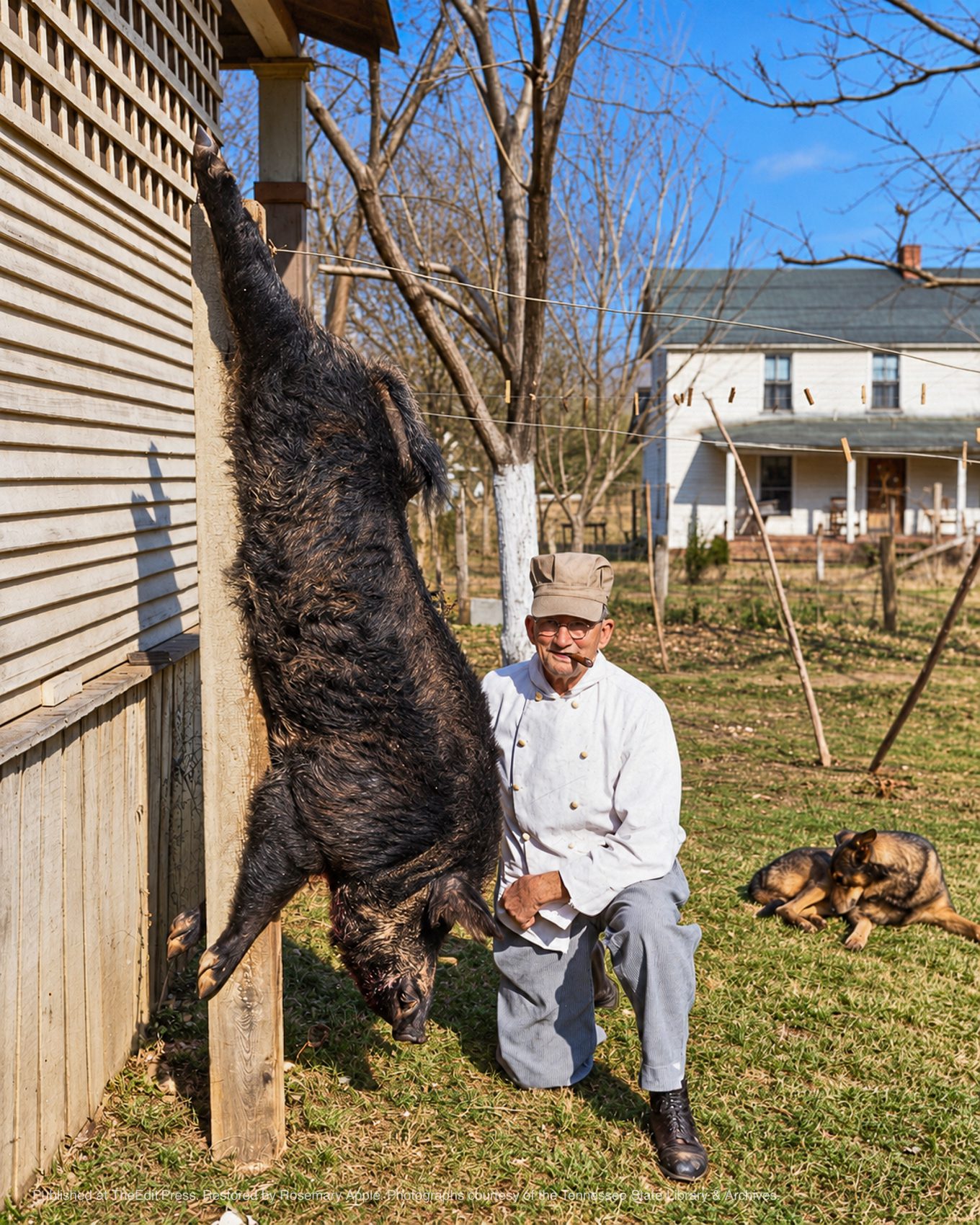
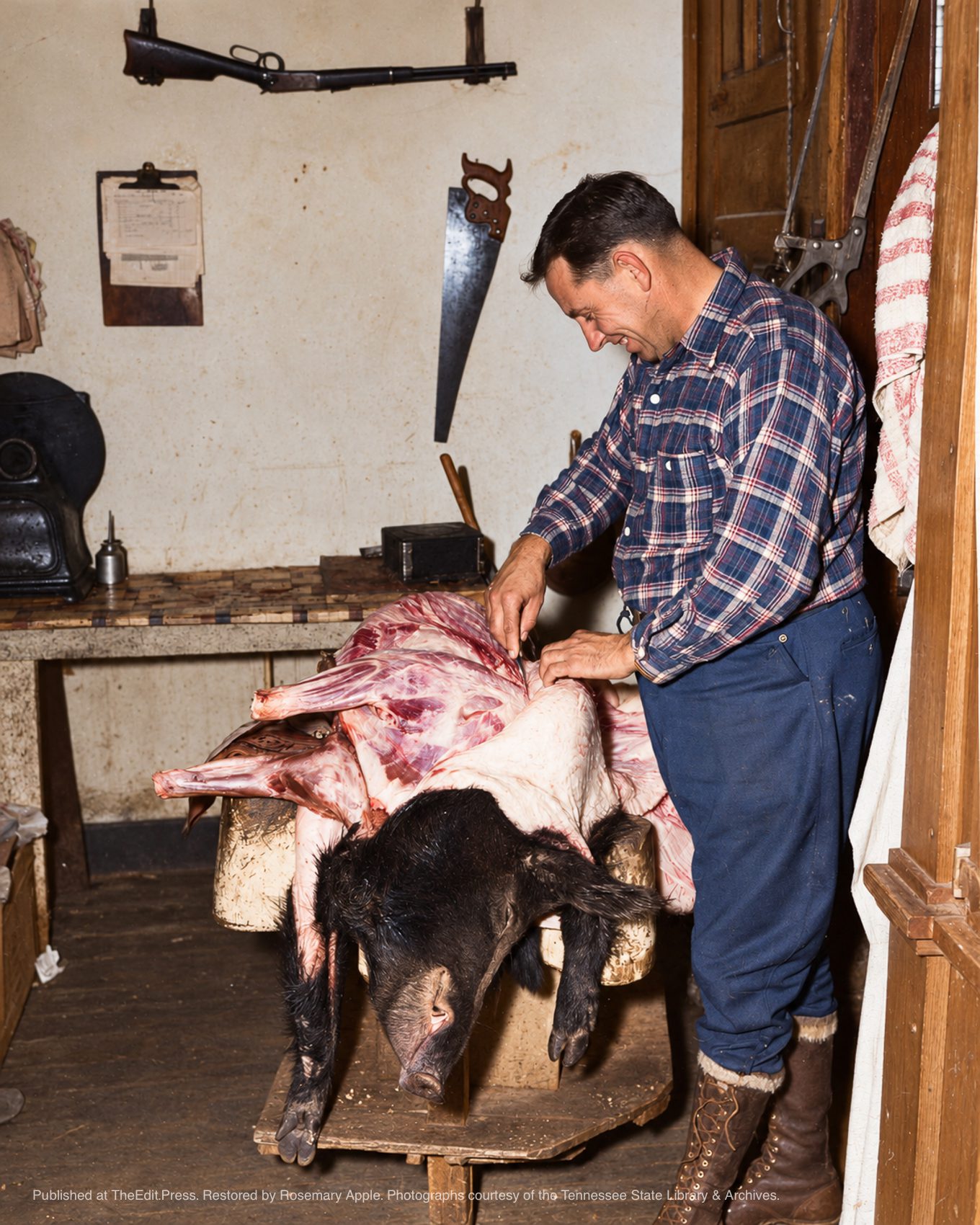
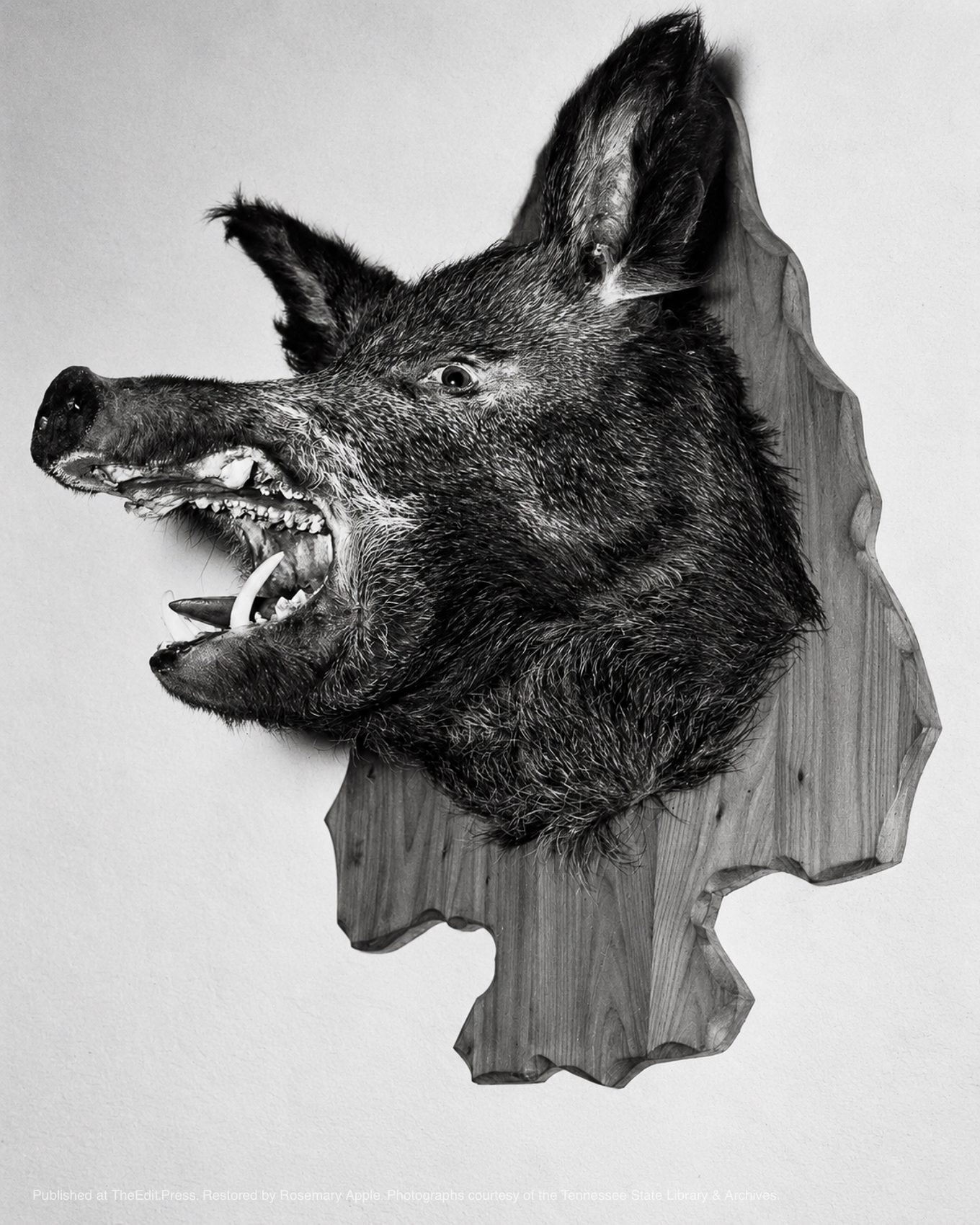
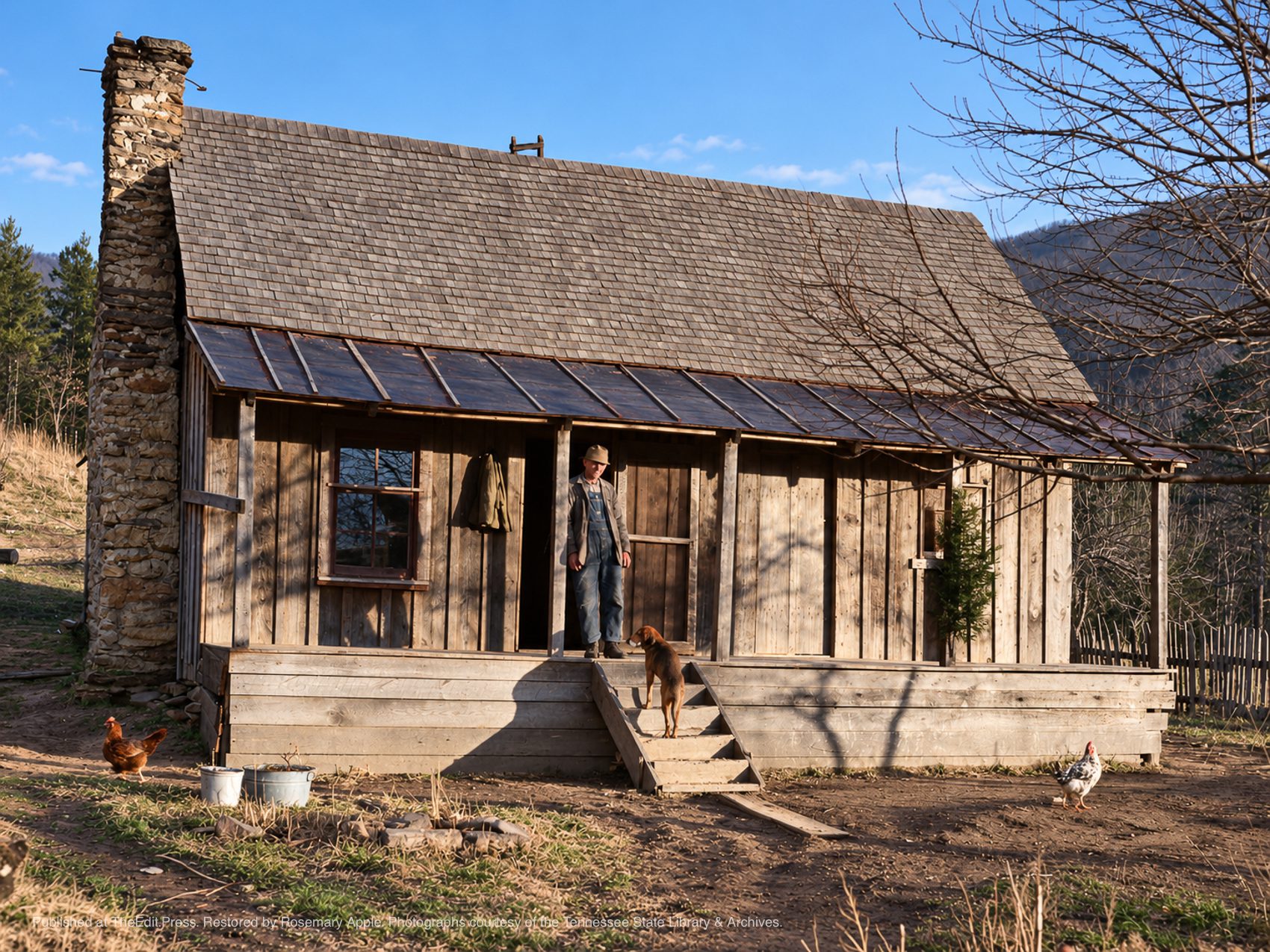
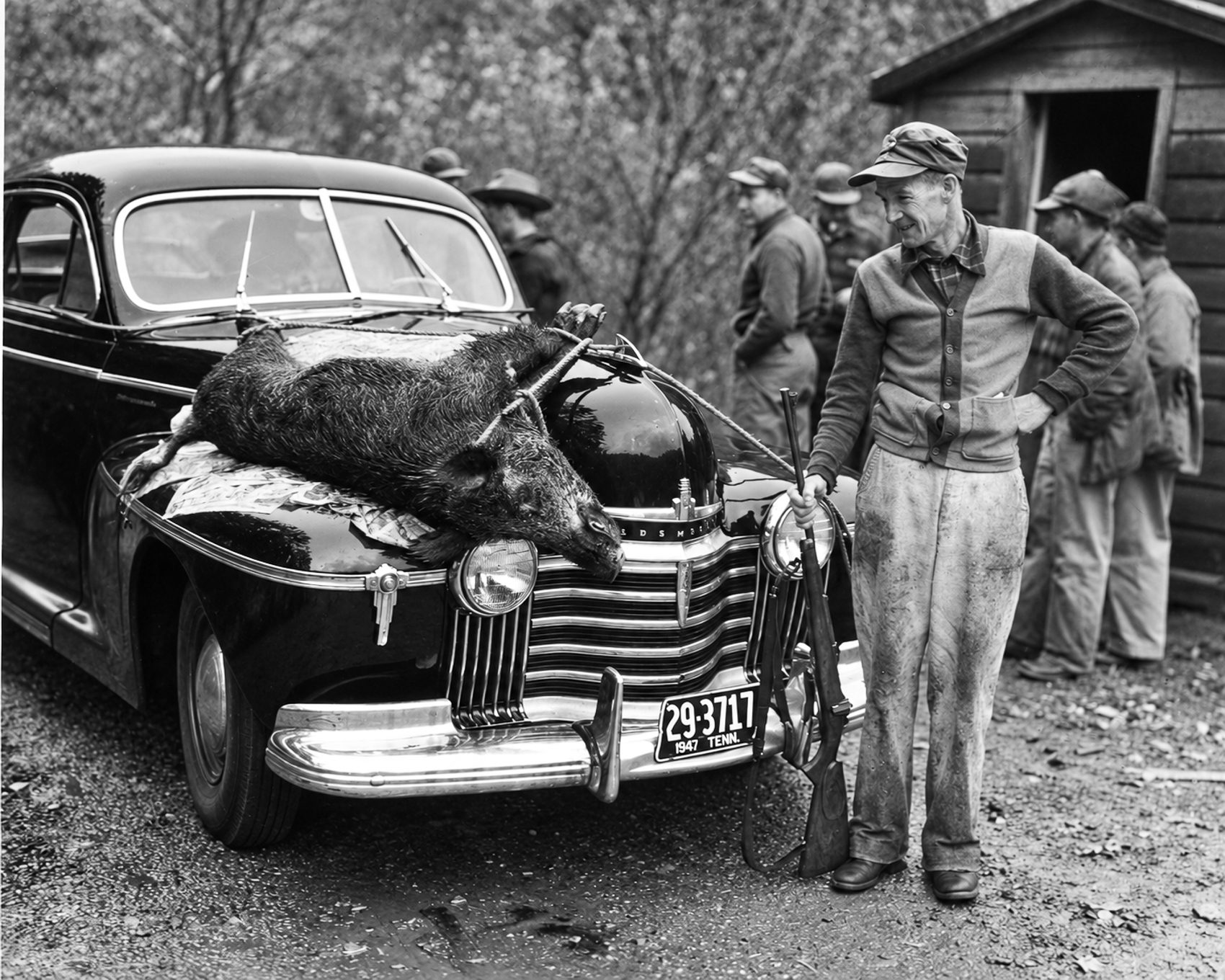
In the 1930s and 1940s, the rugged mountains surrounding Tellico Plains, Tennessee, attracted hunters from across the country in pursuit of one of the region’s most formidable animals: the Russian wild boar. What began as an experiment on a private hunting preserve across the North Carolina state line had evolved into a distinctive sporting tradition in the Cherokee National Forest.
An Unlikely Beginning
The history of Russian wild boar in Tennessee dates to 1912, when a small group of European boar was imported to a private game preserve on Hooper Bald in the Snowbird Mountains of North Carolina. The animals were transported by rail to Murphy, North Carolina, before completing their journey into the mountains by oxcart.
The preserve, established on land owned by an English company, was stocked with several exotic species for recreational hunting. Among them, the wild boar proved particularly adaptable to the Southern Appalachian environment.
By the early 1920s, the original population had multiplied considerably. During an organized hunt, most of the boar escaped their enclosure and dispersed into the surrounding mountains, eventually establishing populations across the Tennessee border in Monroe County.
Within a generation, the animals had become a recognizable part of the region’s hunting culture.
The Hunting Grounds of East Tennessee
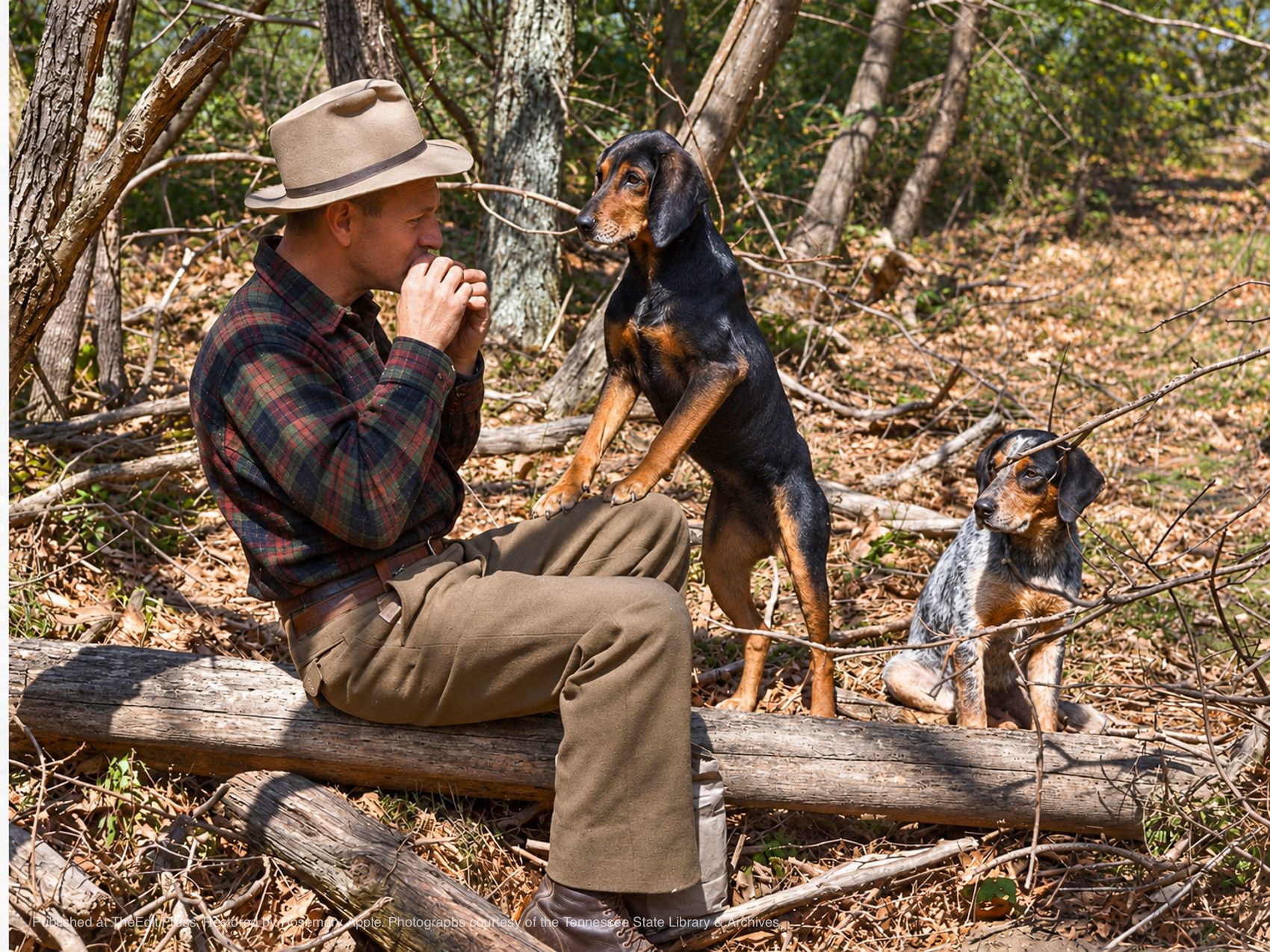
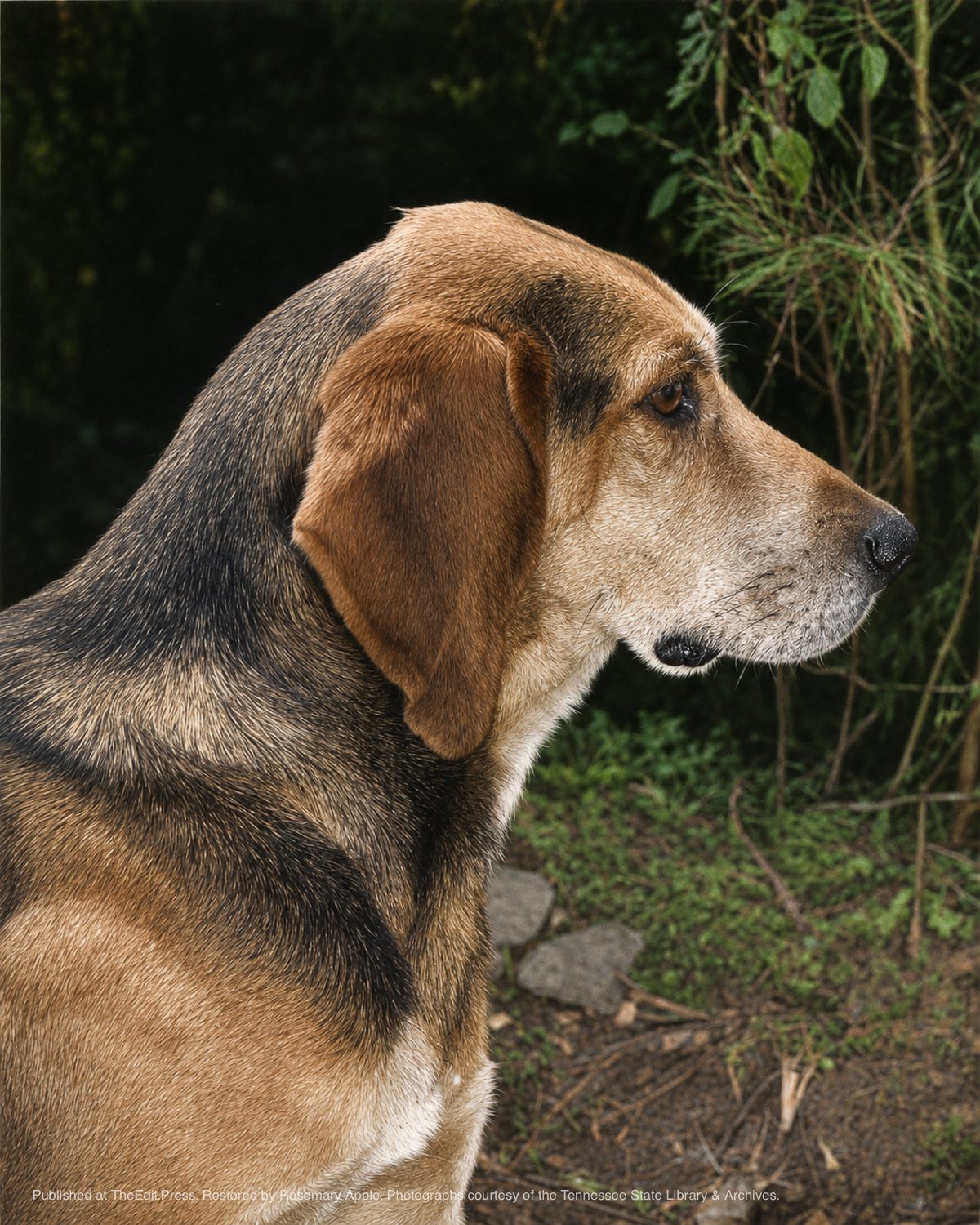
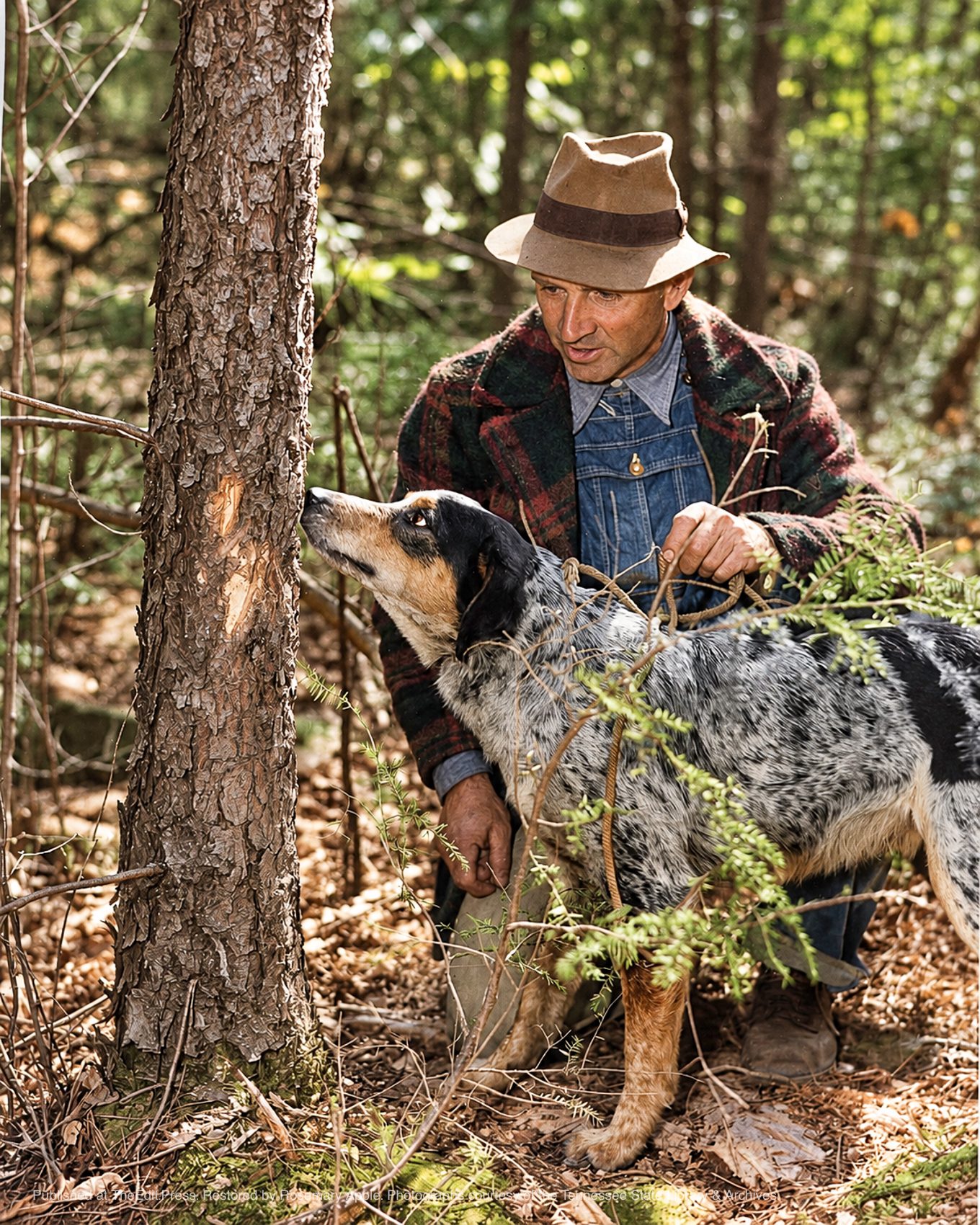
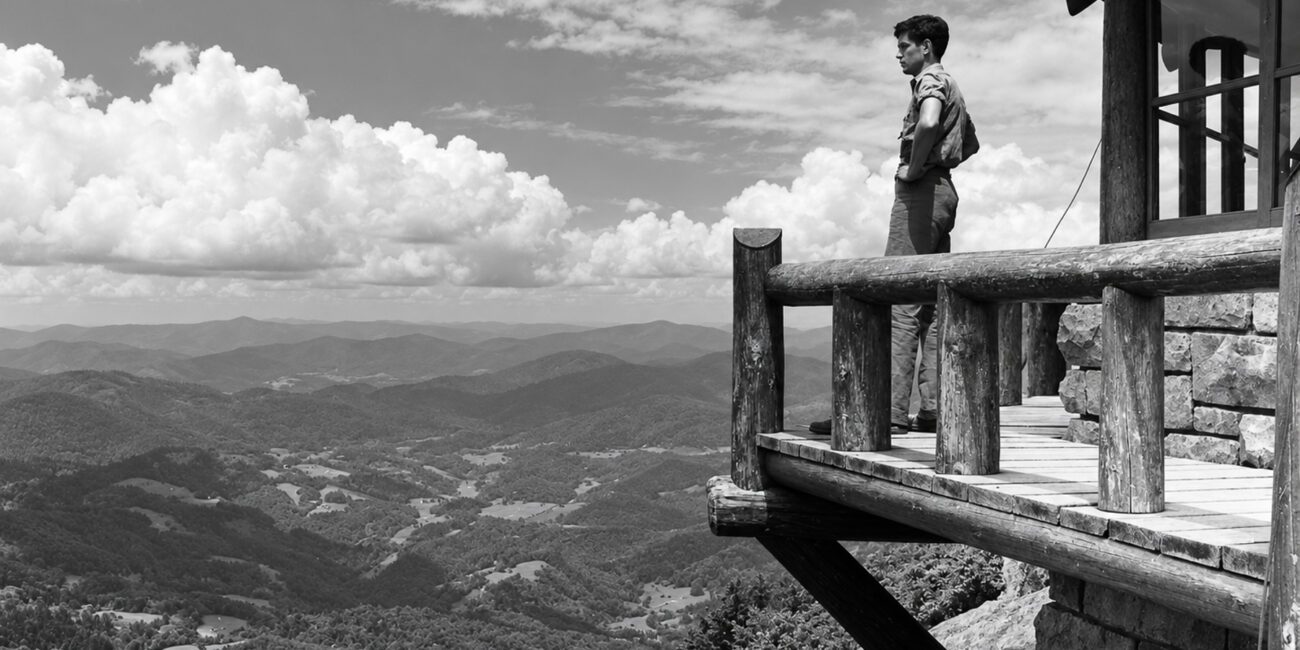
The Cherokee National Forest offered ideal terrain for the elusive animals, with dense hardwood forests, steep ridgelines, and remote mountain valleys. Hunting wild boar required considerable endurance, familiarity with the landscape, and often the assistance of specially trained dogs.
The first open hunting season for wild boar in the Cherokee National Forest was established in 1936, the same year the forest took on its present administrative form.
Throughout the 1930s, the Civilian Conservation Corps had been improving access to the forest through the construction of roads, trails, ranger stations, and recreational facilities. These improvements helped open the mountains to visitors while supporting the growing role of outdoor recreation in the region.
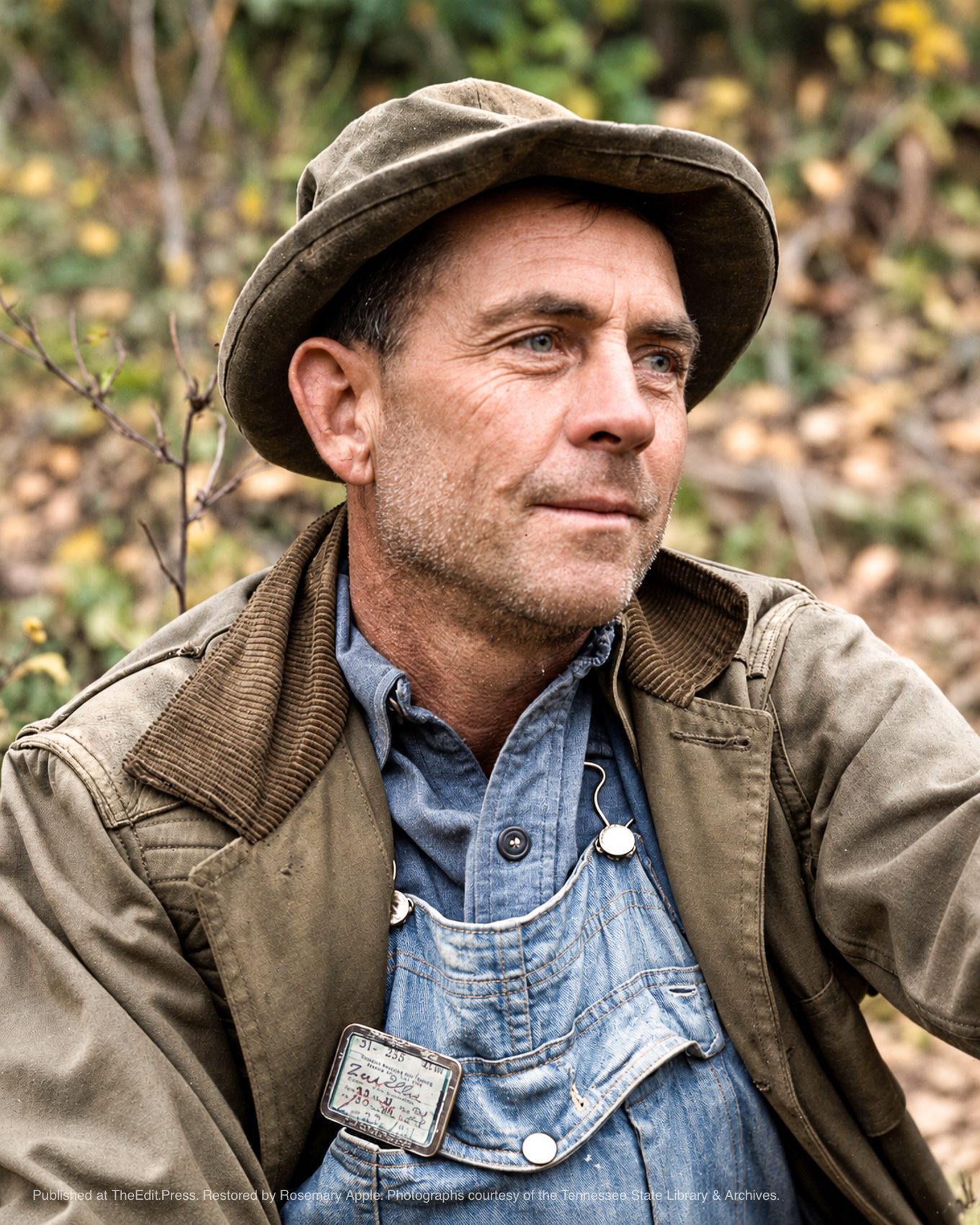
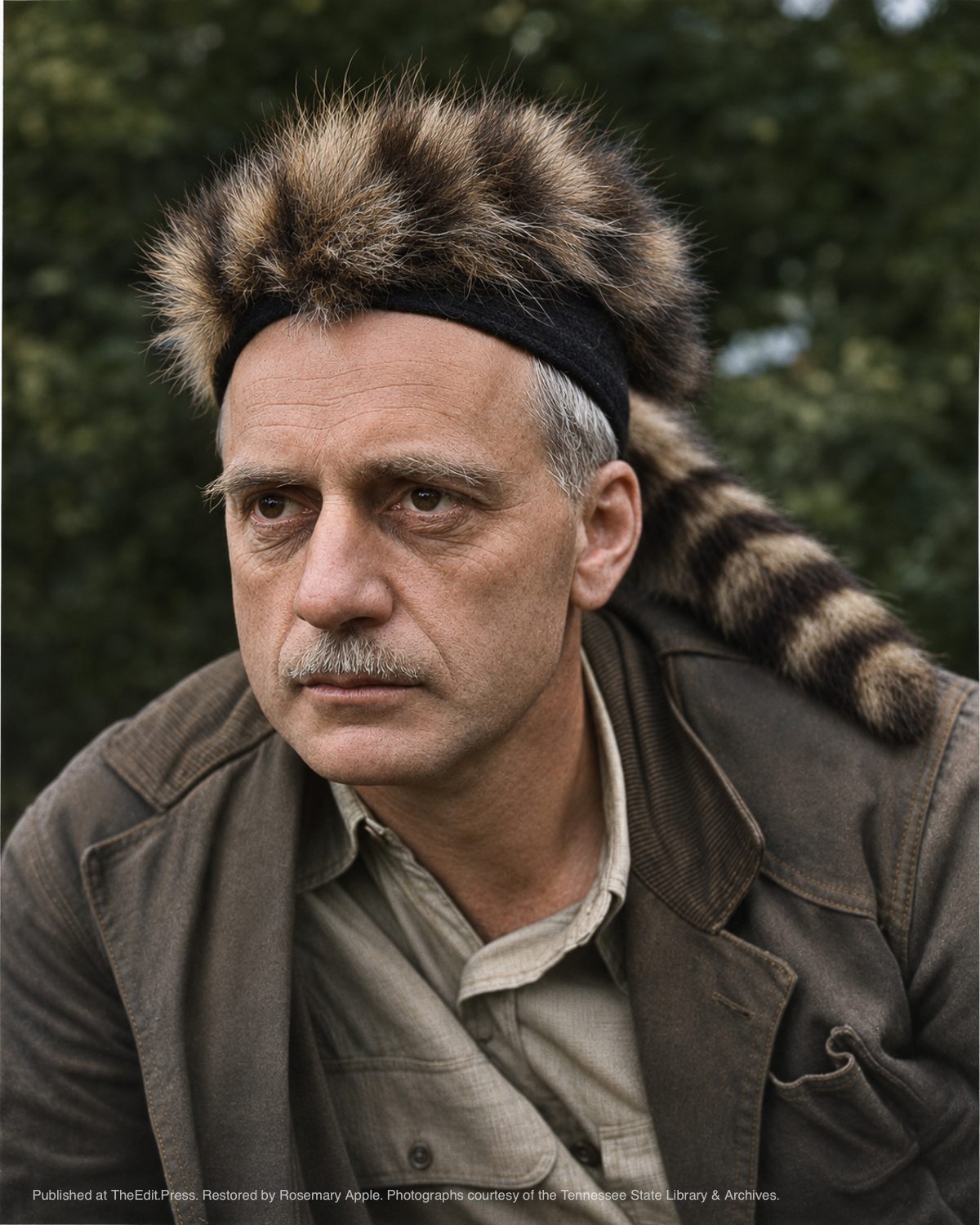
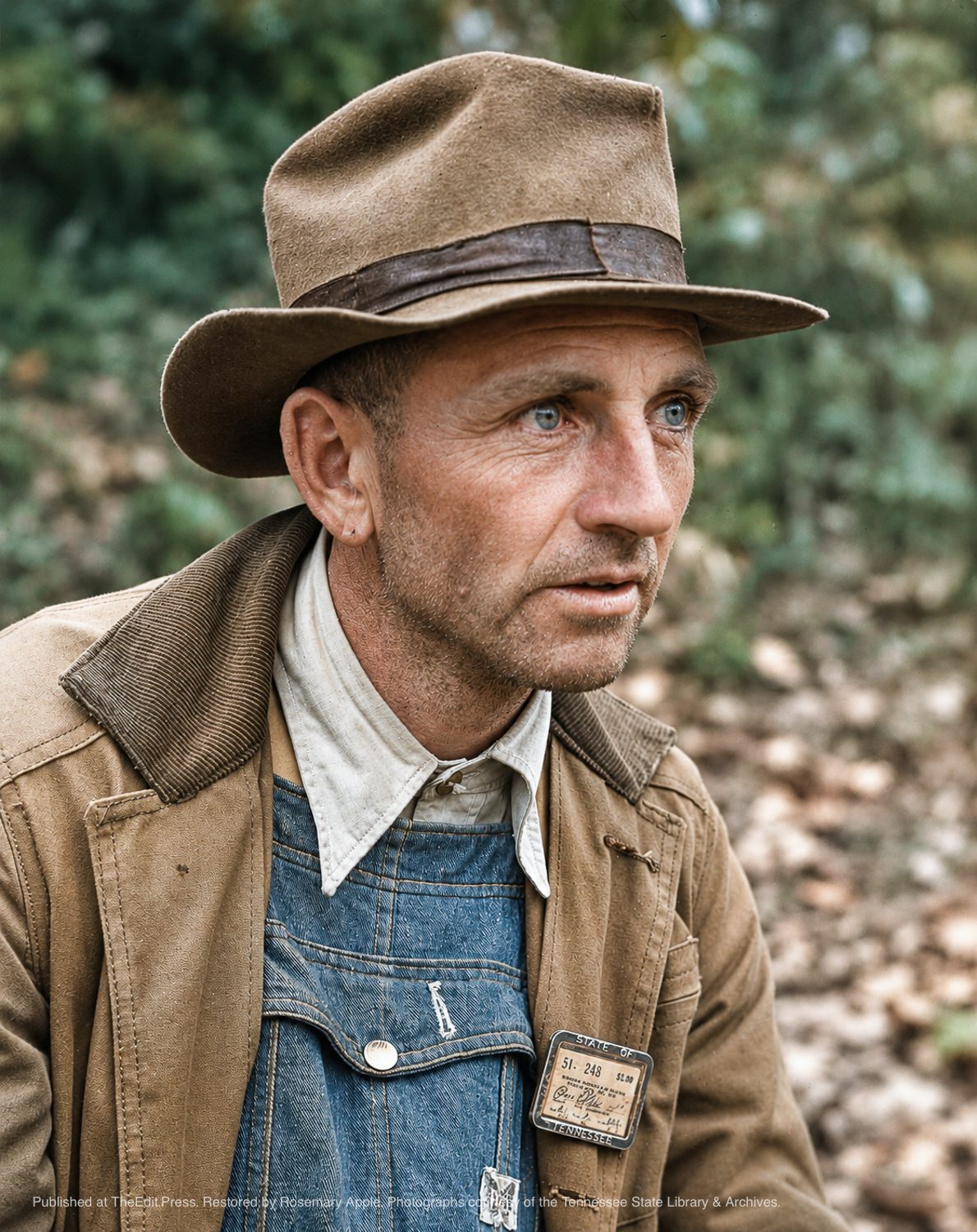
Local guides became essential to organized hunting expeditions. Their knowledge of the mountains, wildlife movements, and difficult terrain provided visiting sportsmen with access to areas that might otherwise have been nearly impossible to navigate.
Hunting methods varied from traditional firearms to archery, with dogs frequently used to track and corner the animals.
A Mountain Town and Its Visitors
For Tellico Plains, the hunting tradition brought visitors into a community historically shaped by forestry, agriculture, and mountain life.
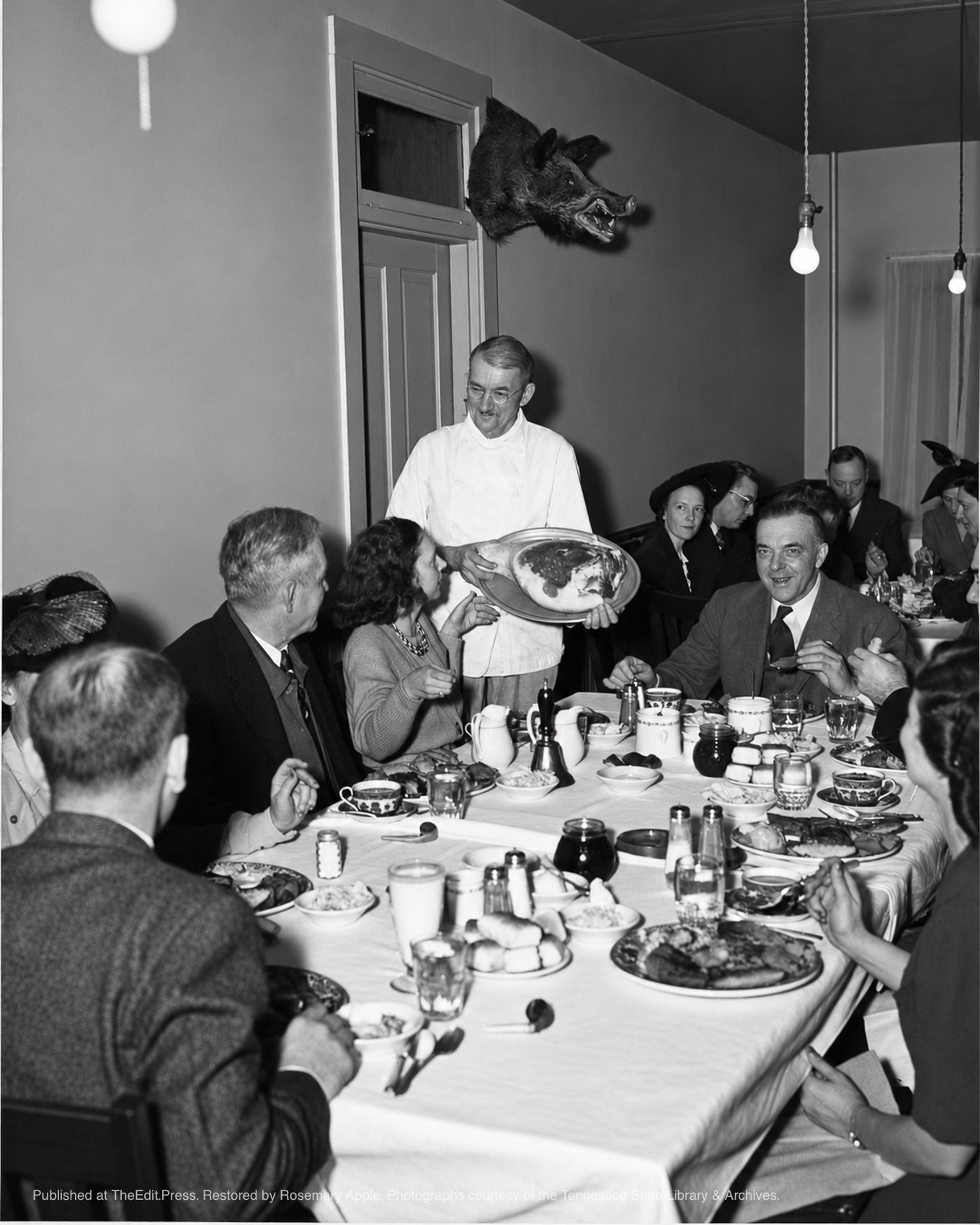
Local businesses provided accommodations, meals, supplies, and services to visiting hunters. Among the community’s established gathering places was the Munz Hotel, operated by G. W. and Paulina Munz. Originally constructed in 1916, the building became the Munz Hotel in 1927 and was known for its hospitality and home-cooked meals.
The popularity of the hunts extended beyond Tennessee. Visitors arrived from neighboring states and farther afield, and expeditions occasionally attracted the attention of newspaper reporters documenting the experience of hunting in the Appalachian wilderness.
These gatherings reveal an early intersection of outdoor recreation, hospitality, and tourism in the region, decades before the mountains became widely associated with the recreational destinations of today.
An Unexpected Legacy
Although wild boar hunting became an established tradition, the animals’ introduction also had lasting ecological consequences.
As a nonnative species, wild boar proved highly adaptable but destructive to native habitats. Their feeding habits disturbed forest soils, damaged vegetation, and threatened sensitive ecosystems. By the middle of the twentieth century, their populations had expanded into Great Smoky Mountains National Park, prompting wildlife management and control efforts.
Today, their presence remains part of a broader conversation about conservation, introduced species, and the changing relationship between people and the natural landscape.