


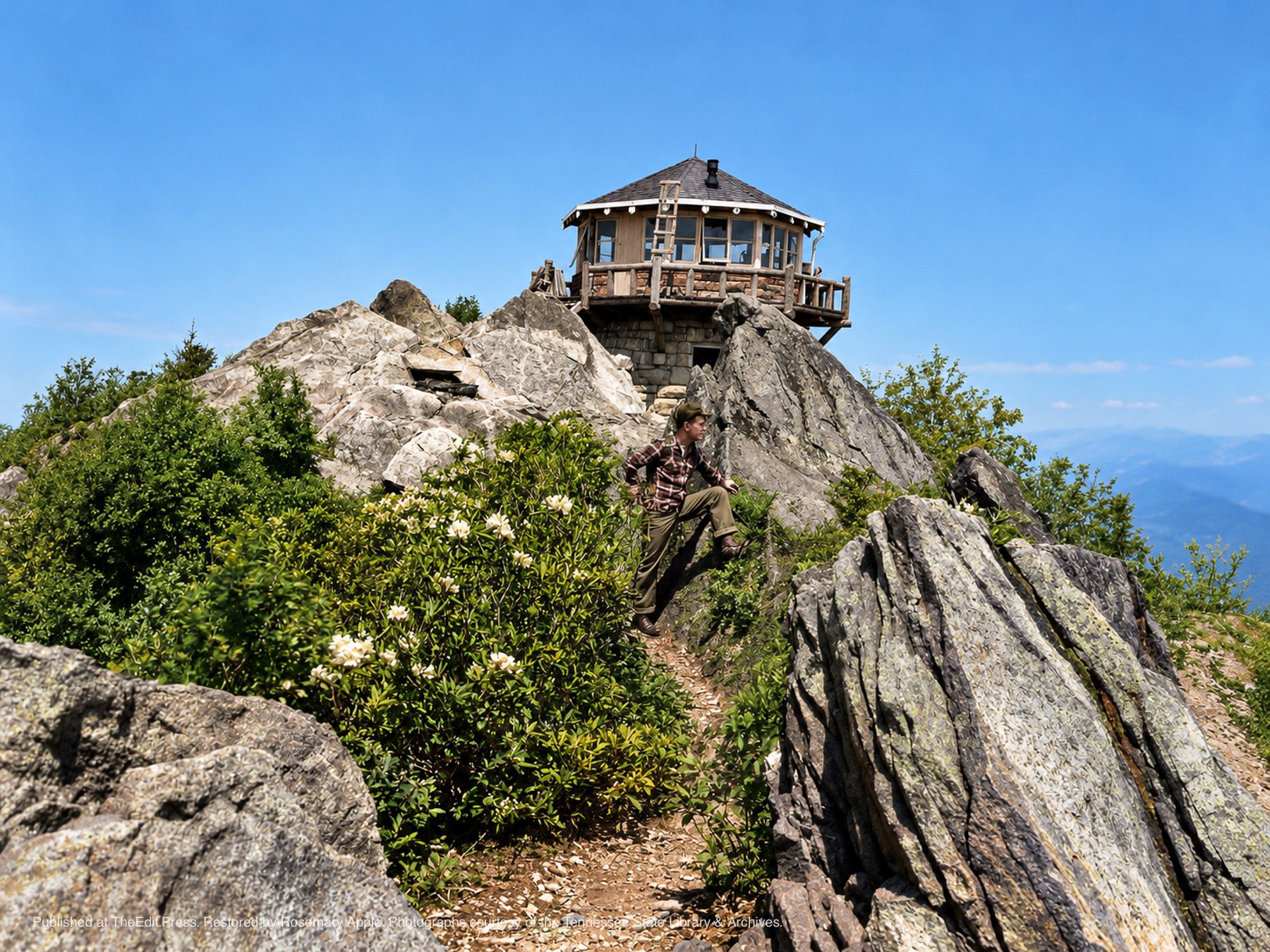
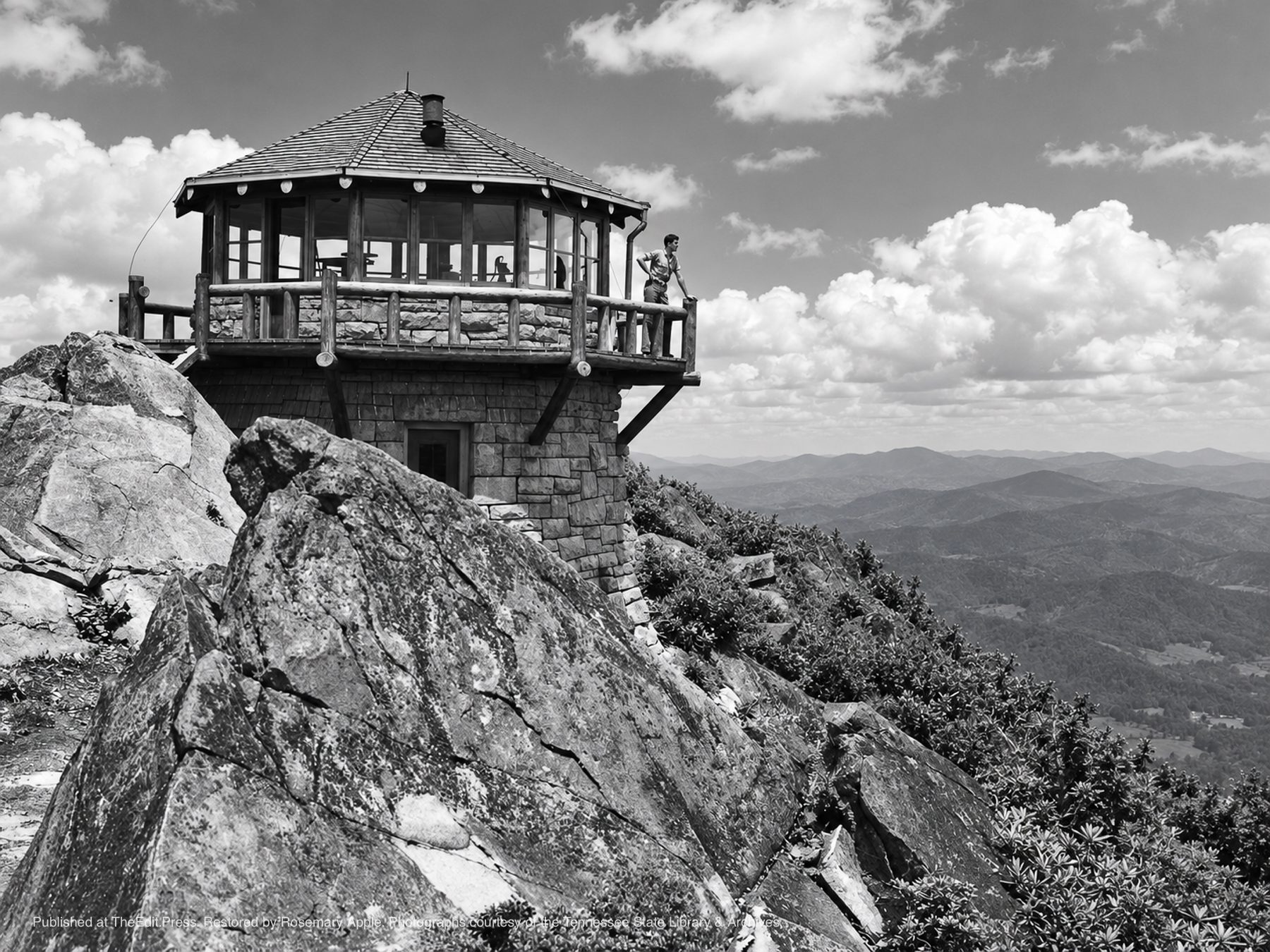
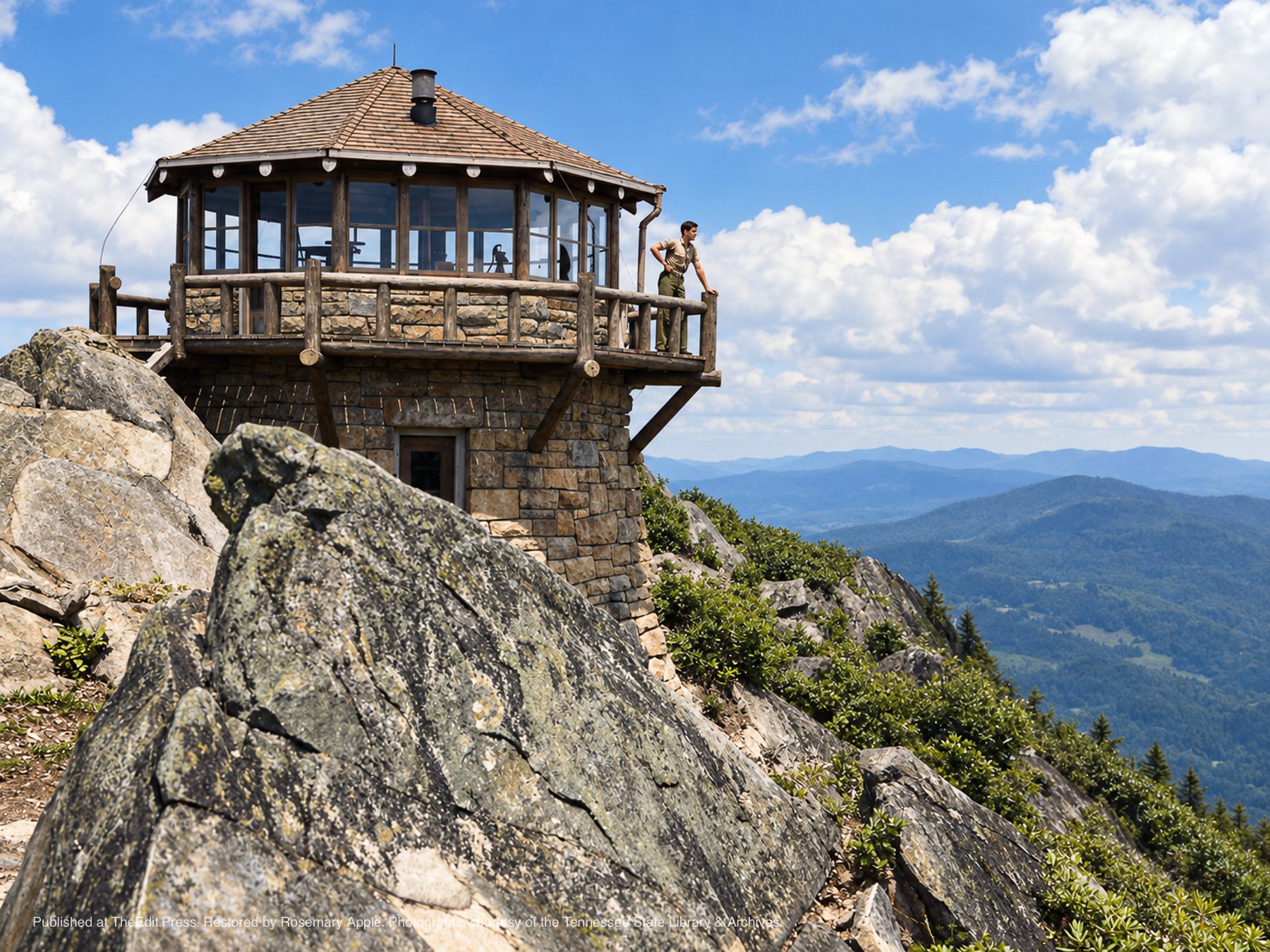


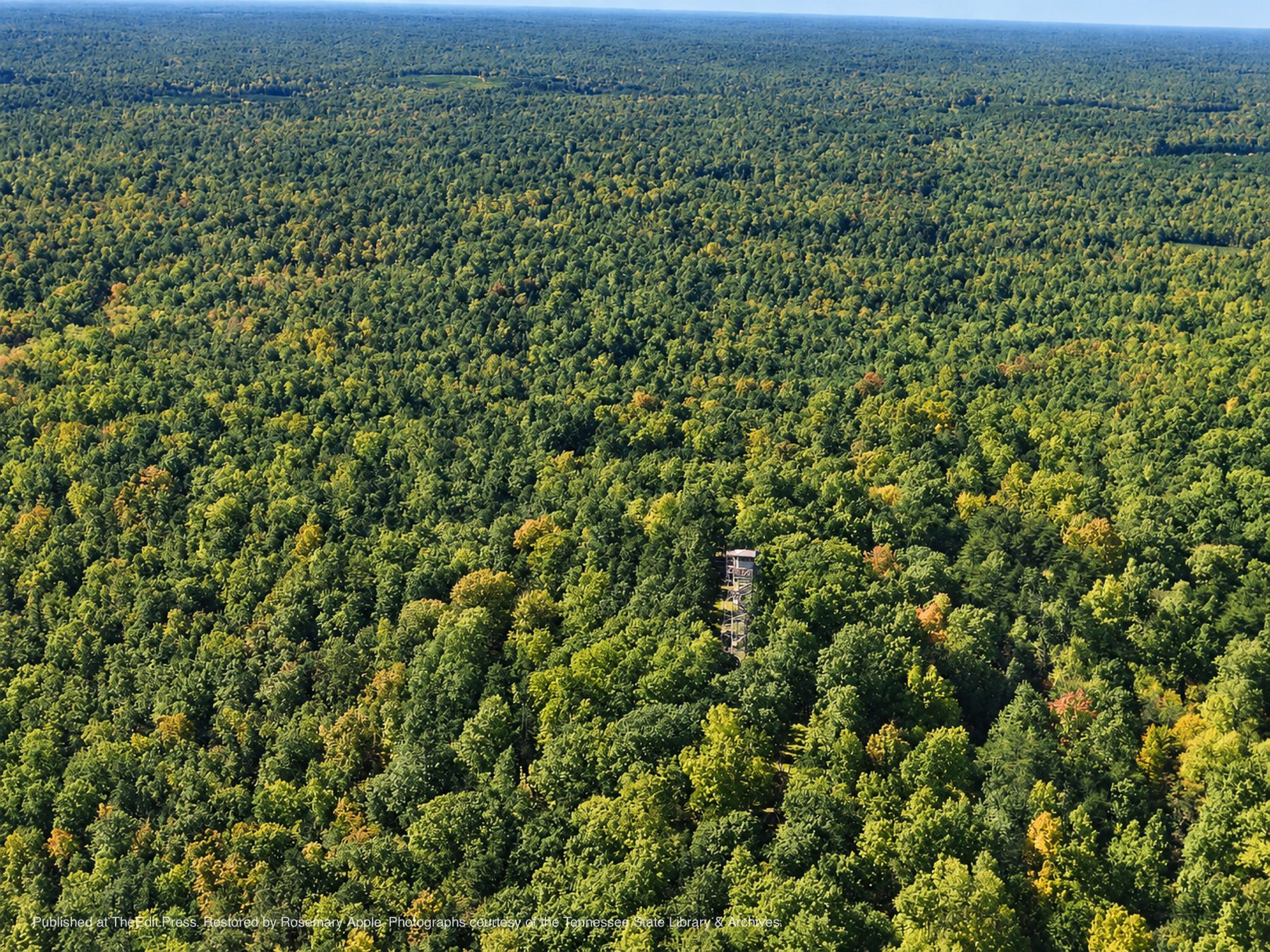
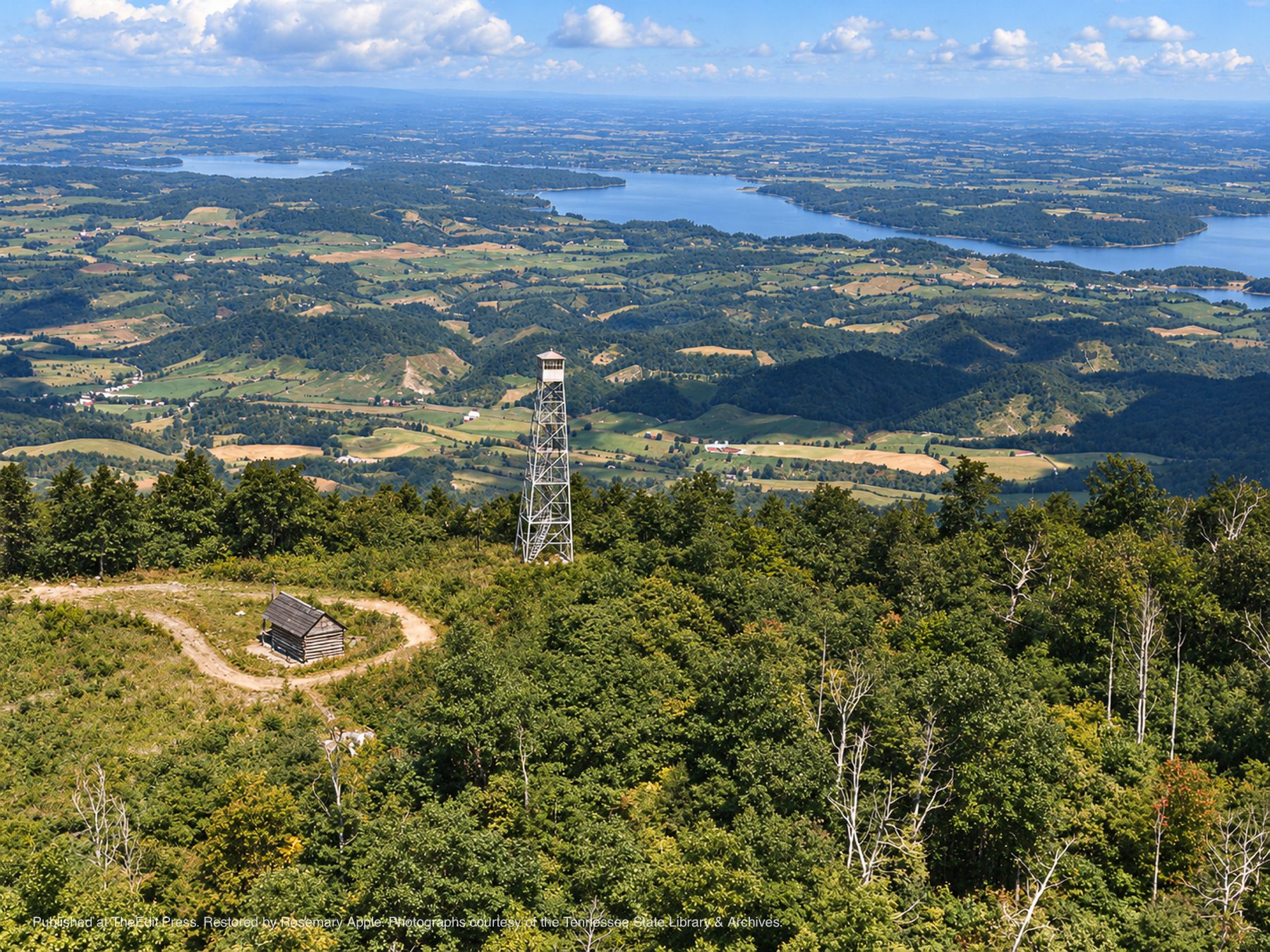
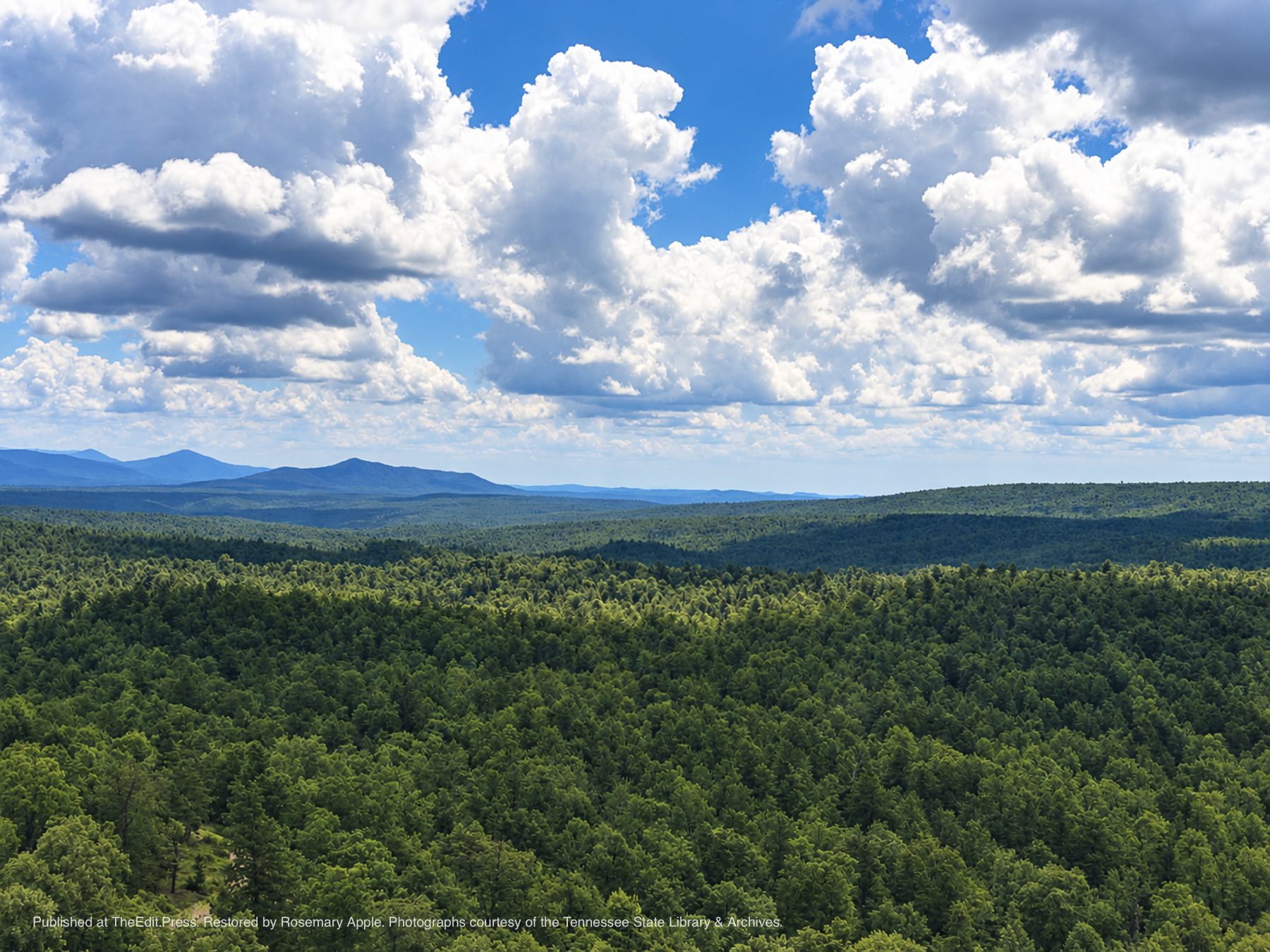
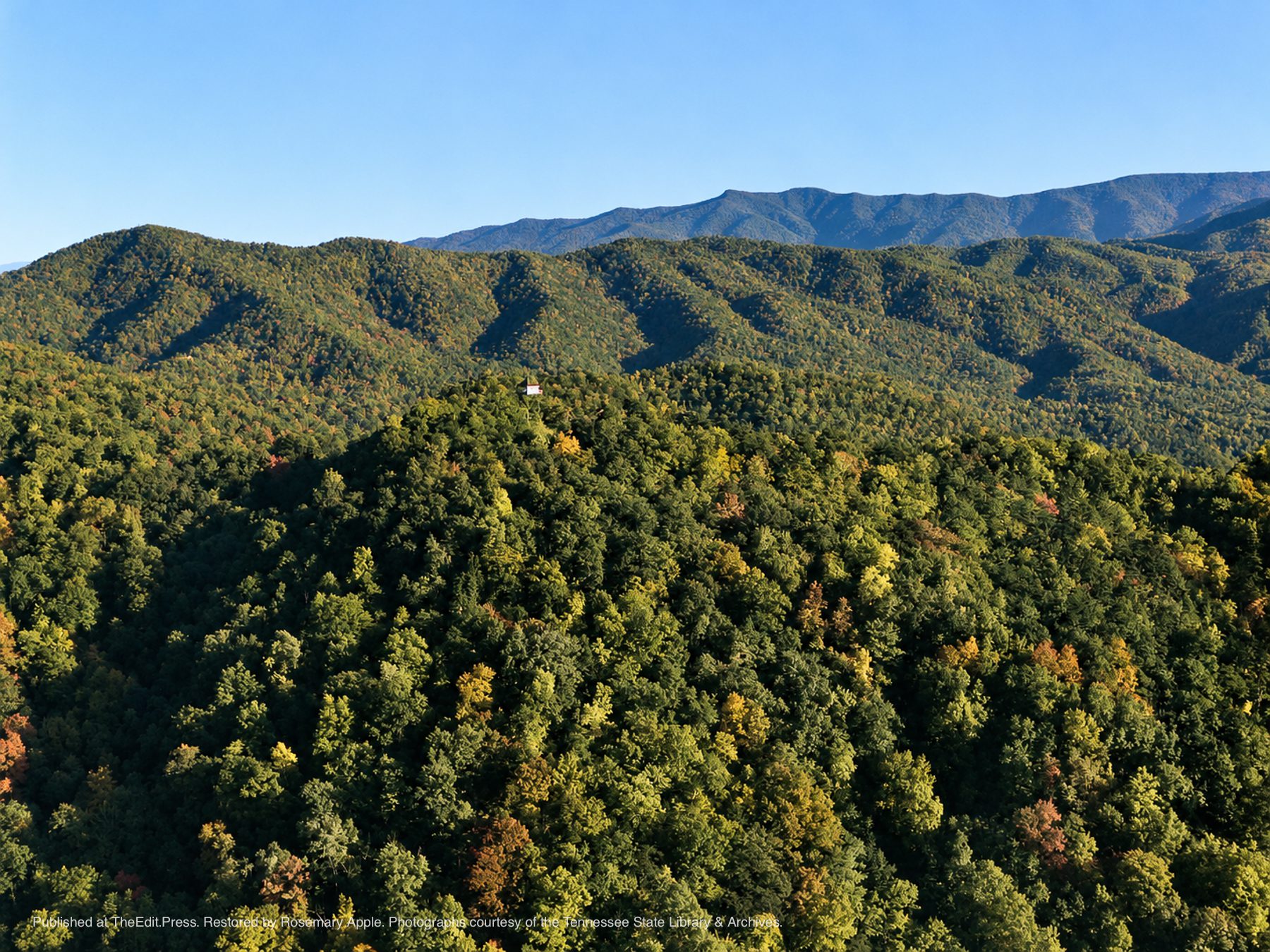
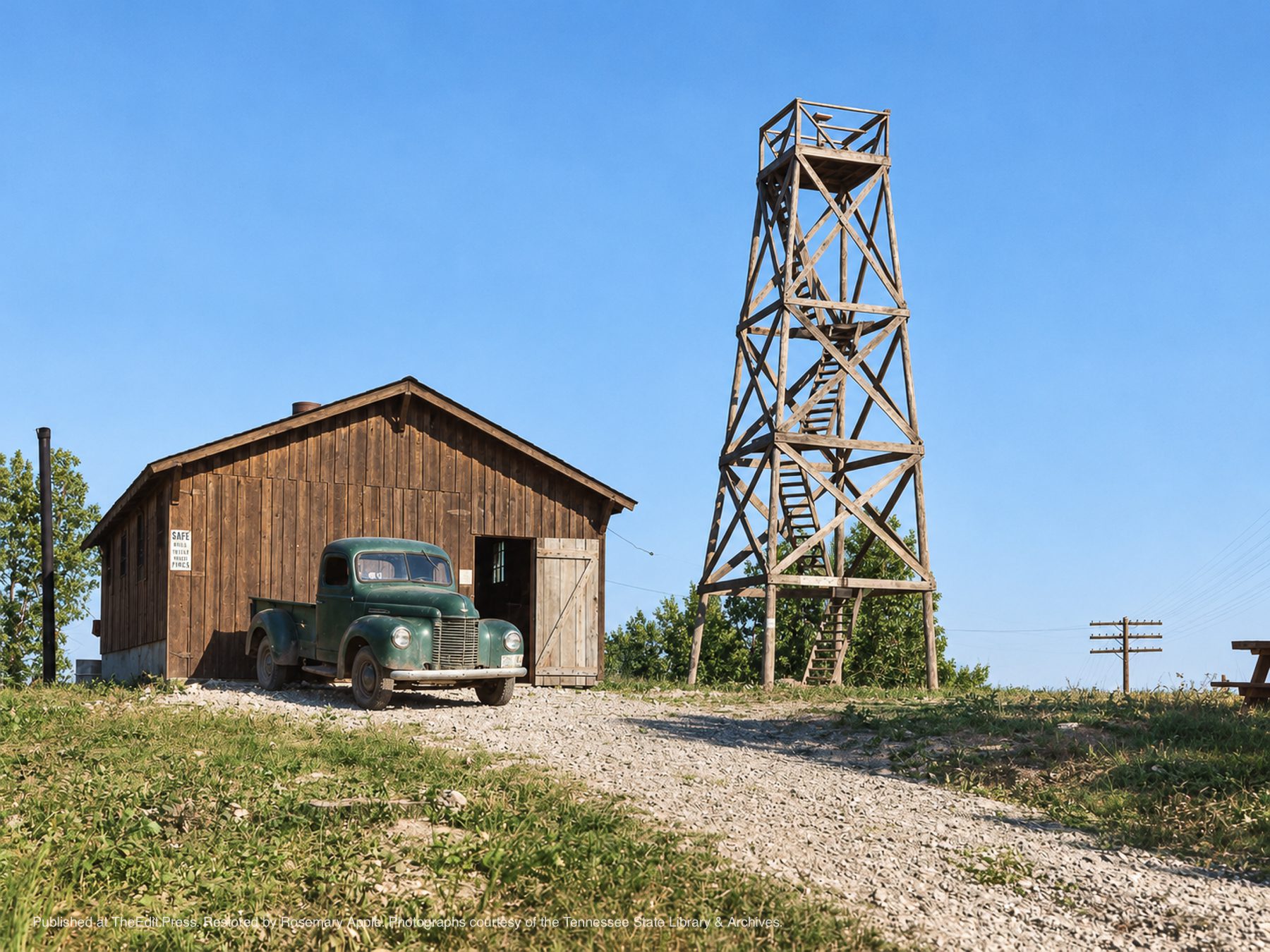
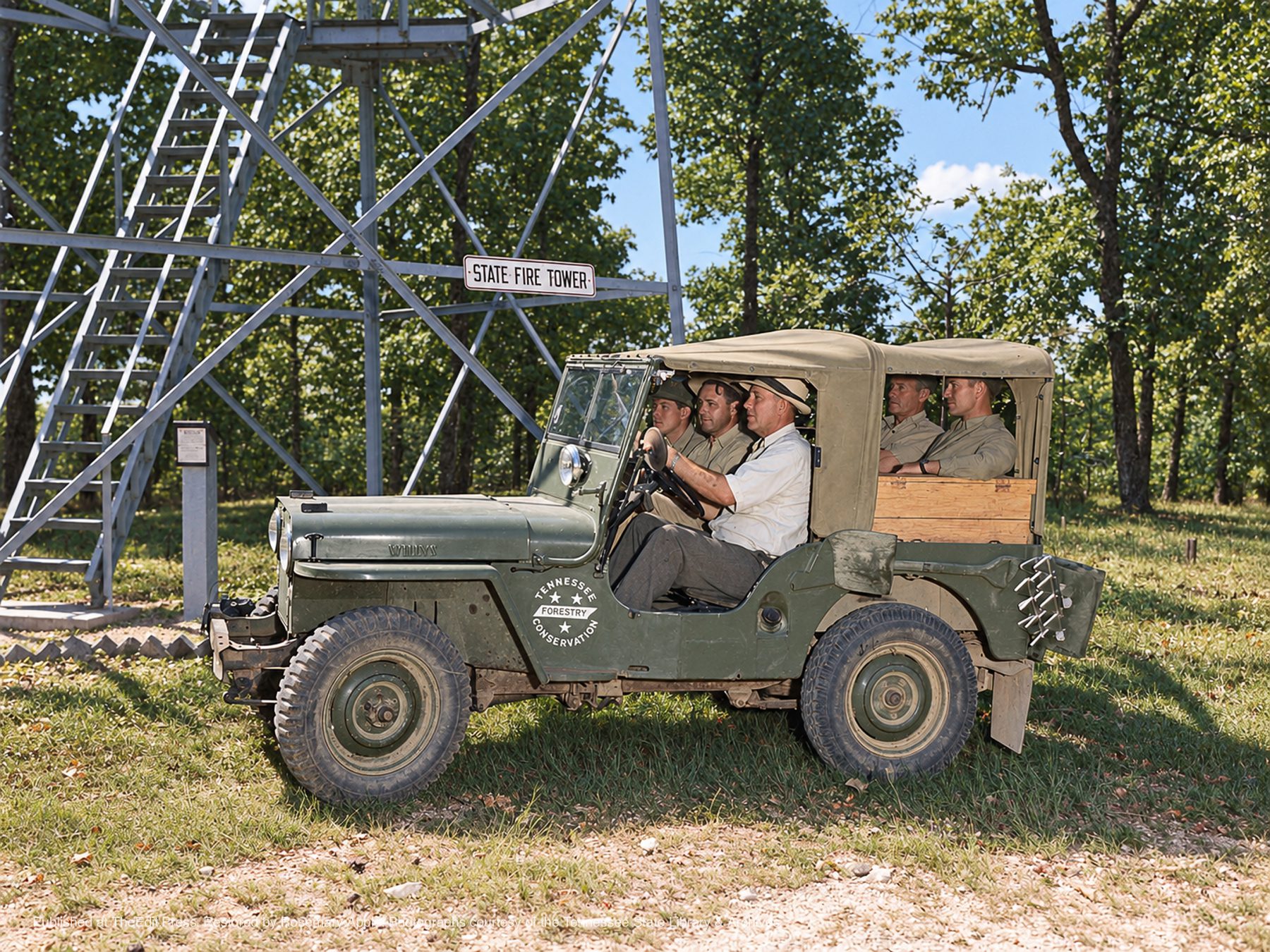
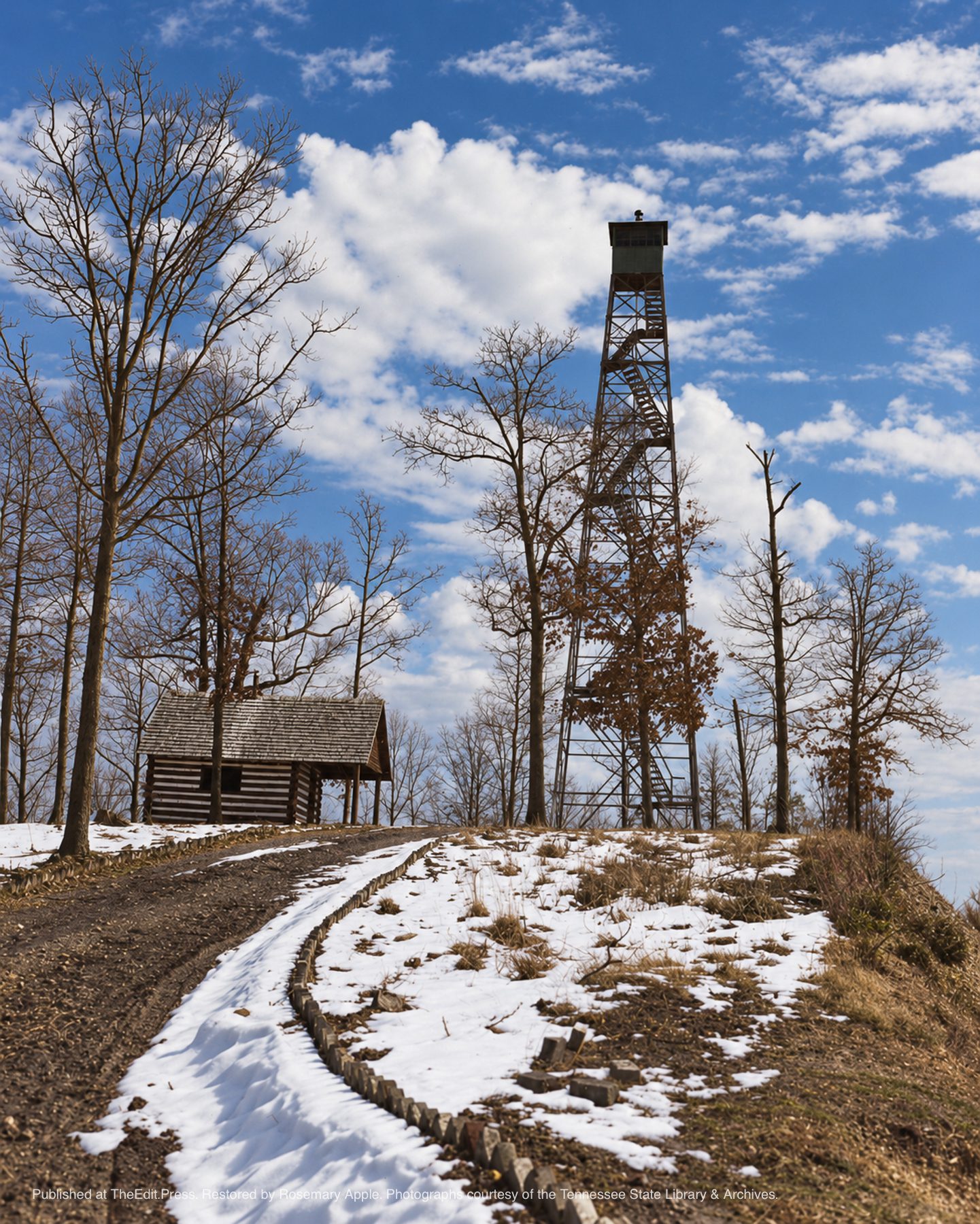
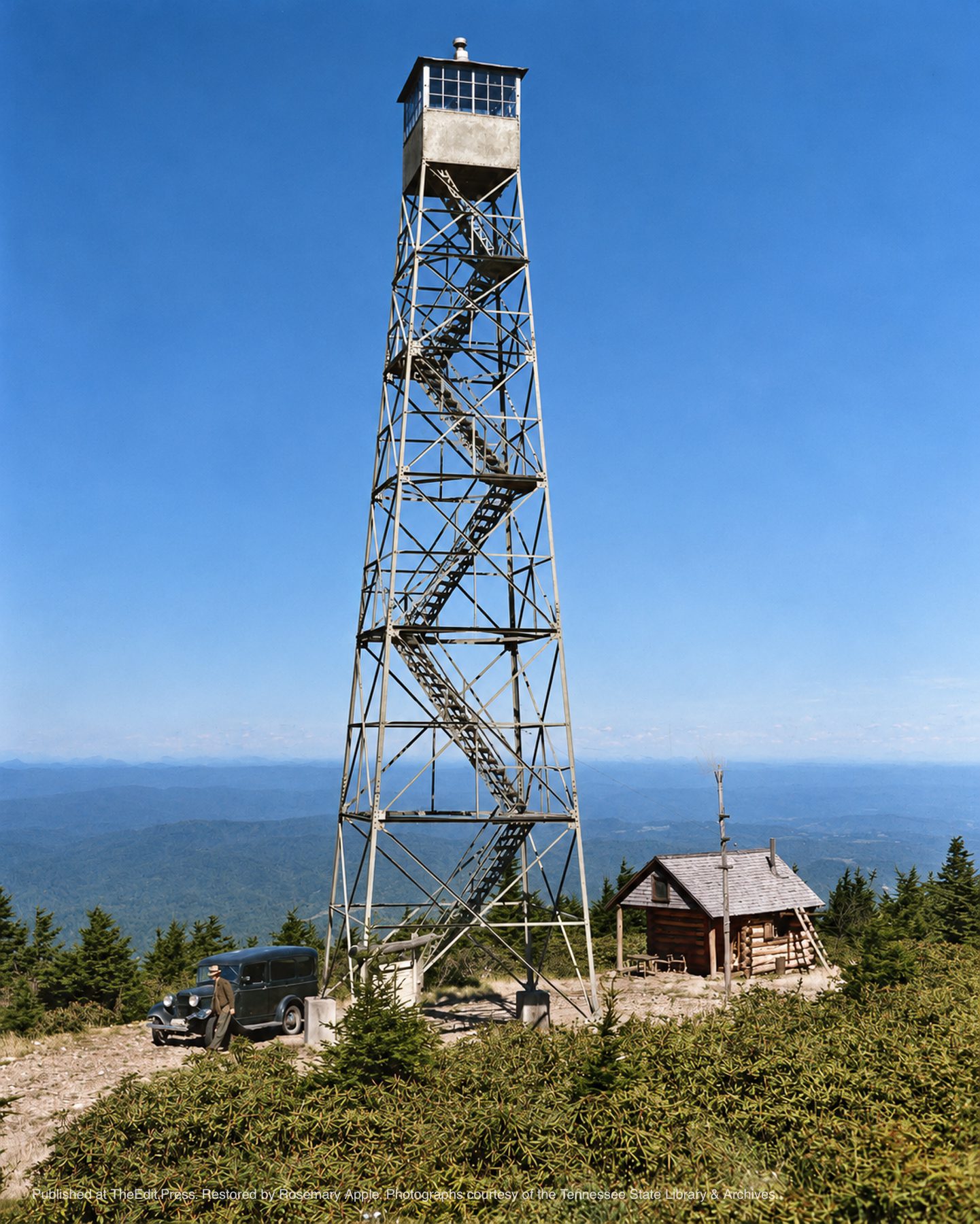
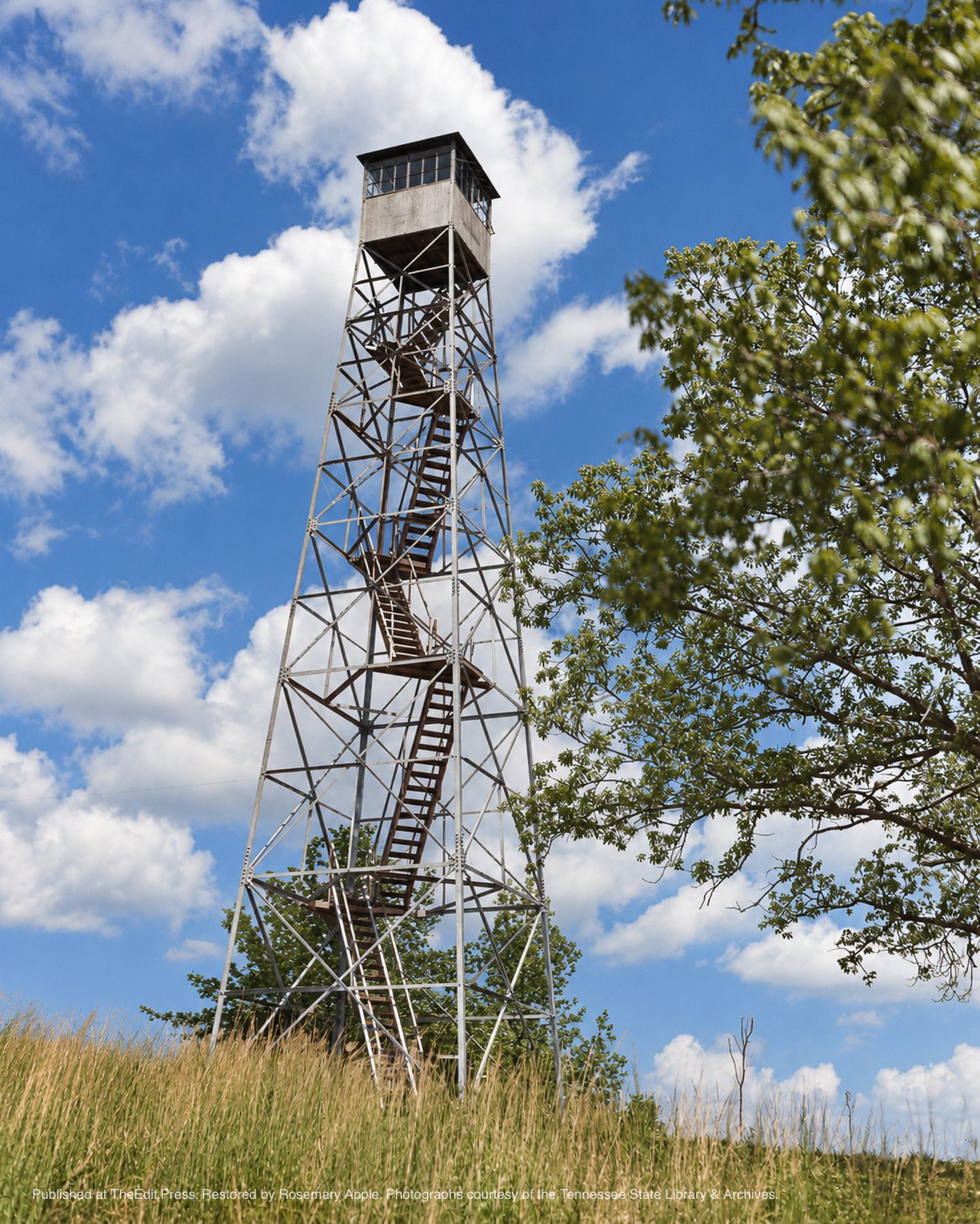
From the 1930s through the 1970s, fire lookout towers played an essential role in protecting Tennessee’s forests from wildfires. More than 200 towers were constructed across the state, many through the efforts of the Civilian Conservation Corps (CCC) during the Great Depression. Positioned along mountain ridgelines, high elevations, and remote forested areas, they provided unobstructed views of the surrounding landscape.
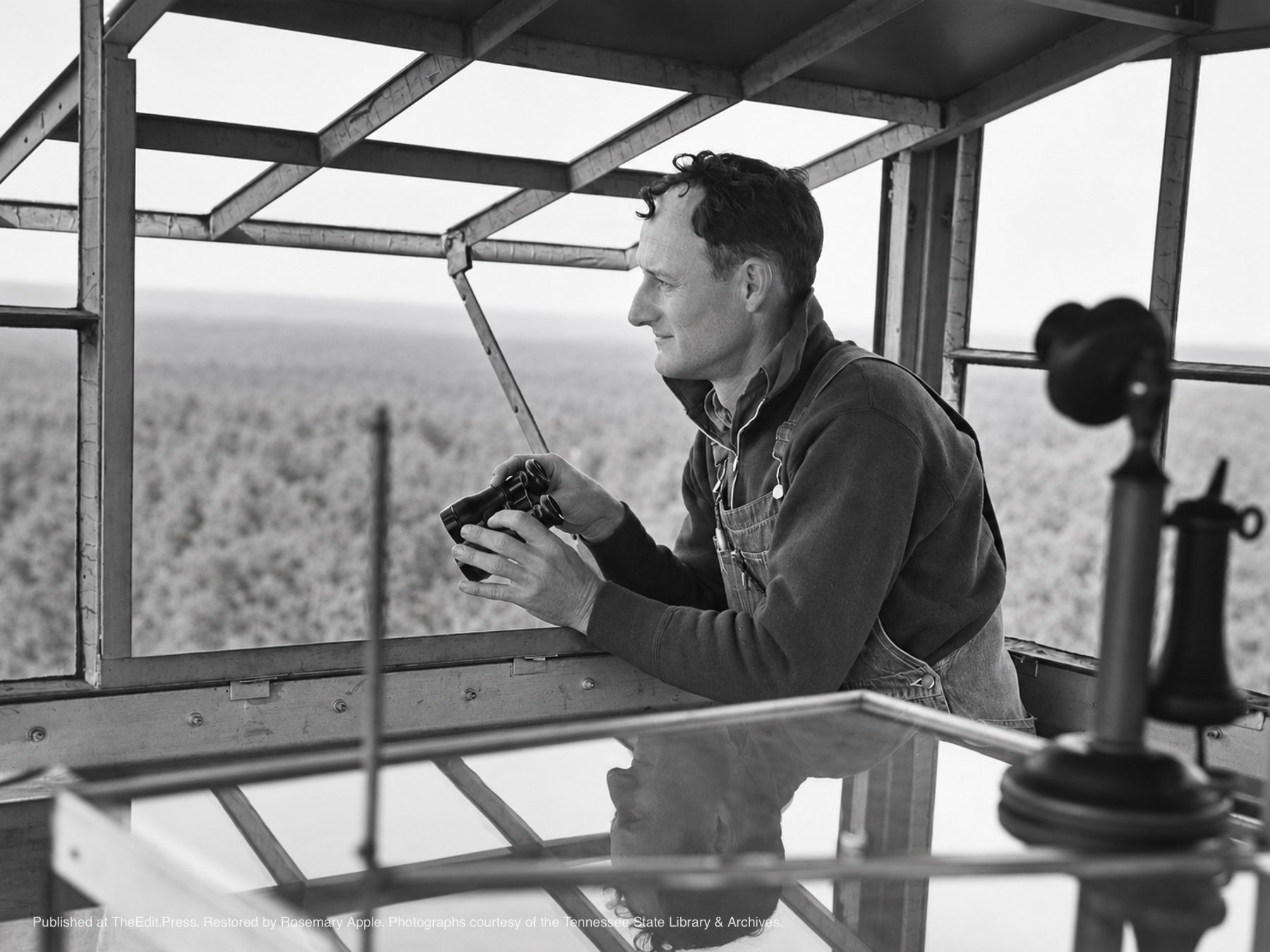
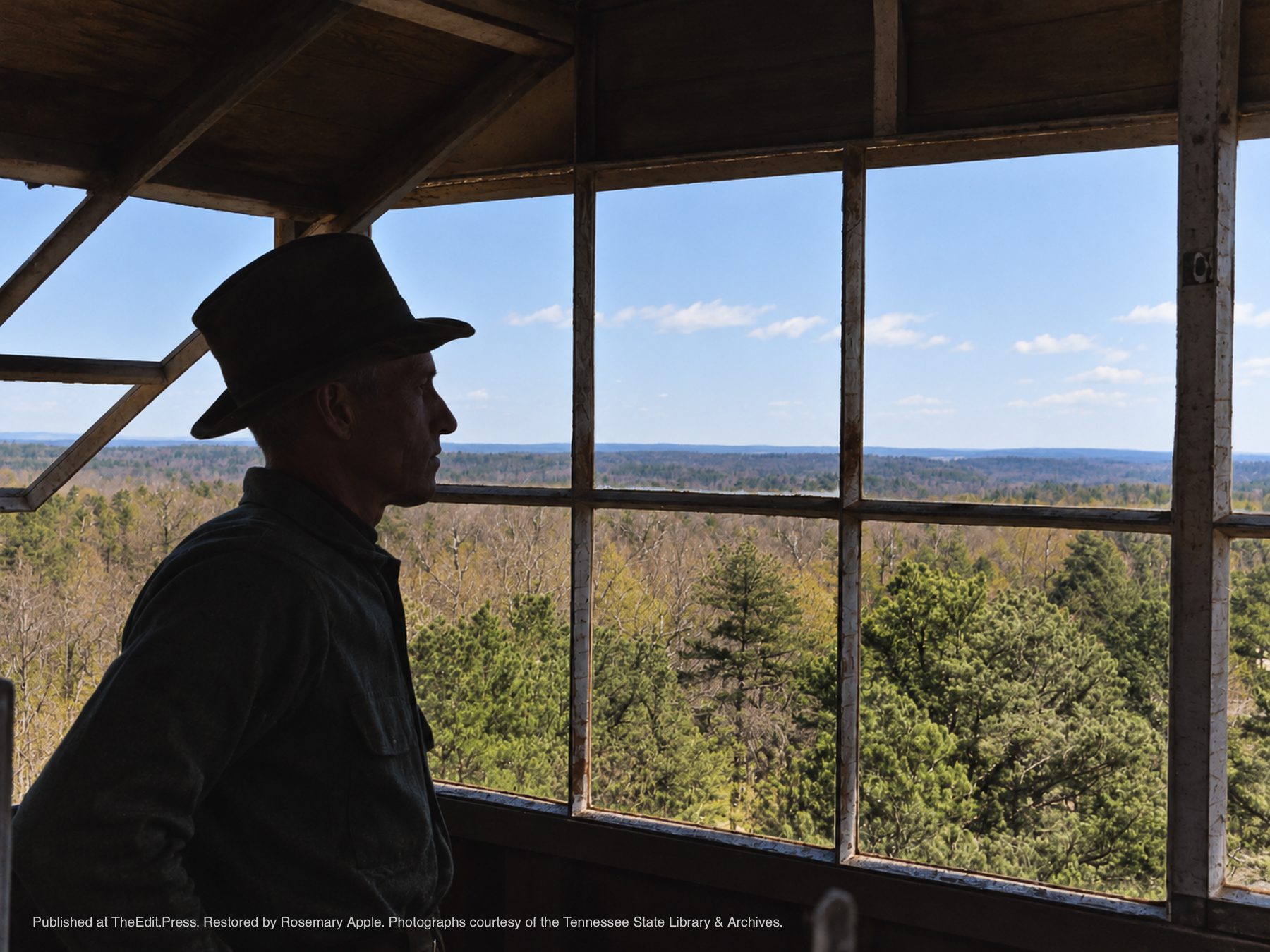
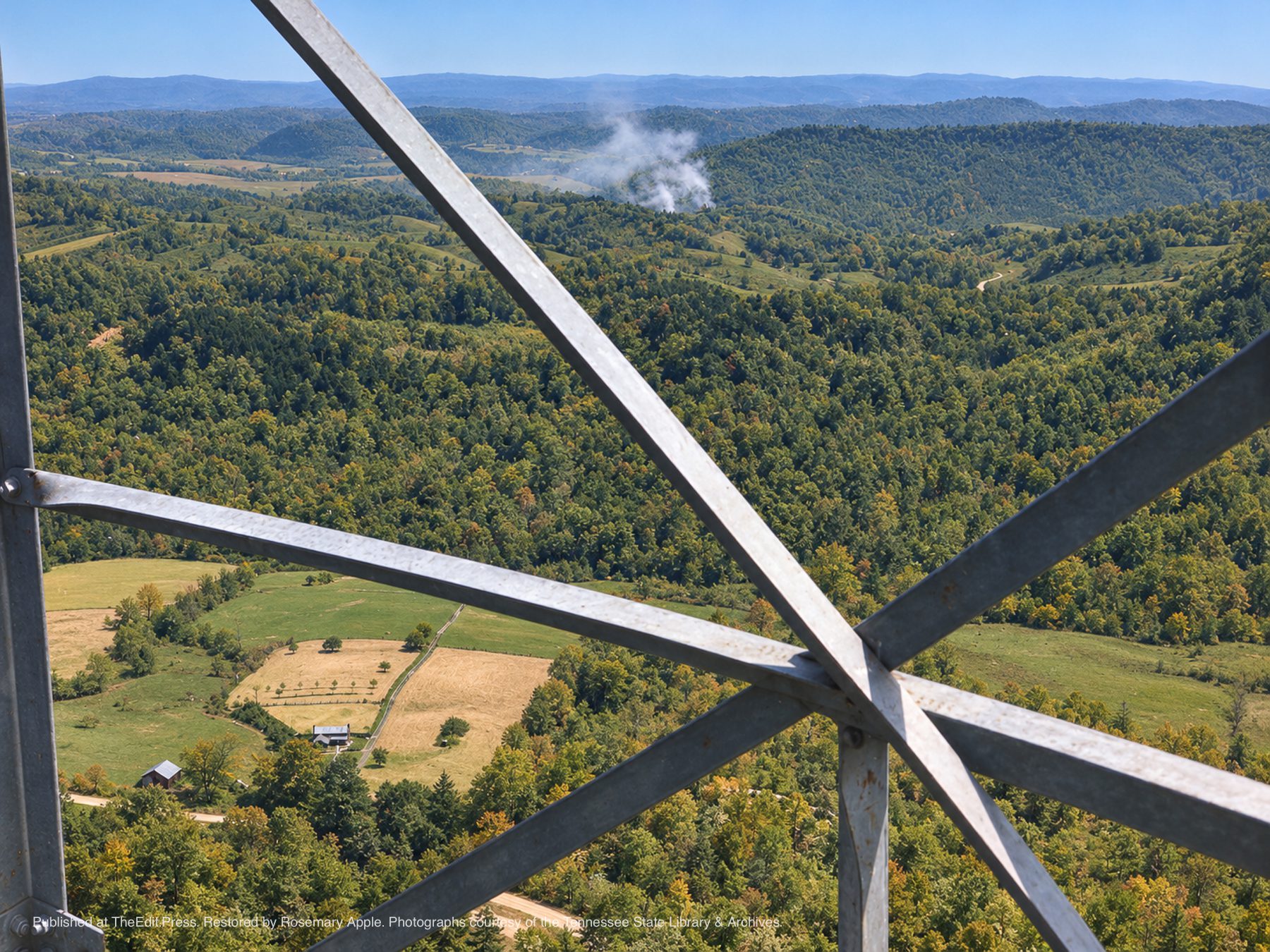
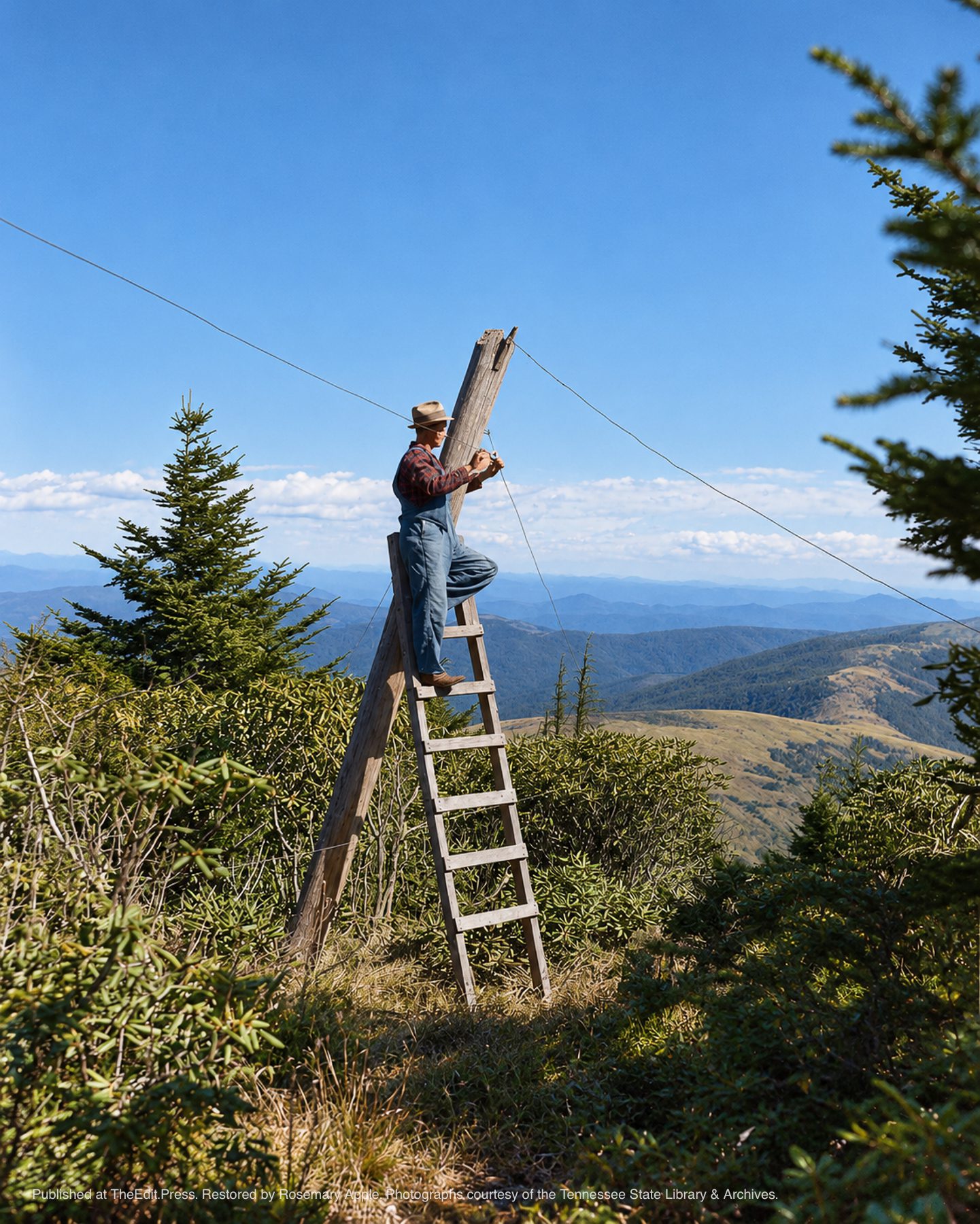
Stationed above the treetops, watchmen scanned the horizon for smoke, using binoculars and surveying instruments called alidades to determine the direction of suspected fires. Observations from neighboring towers helped pinpoint locations, while telephone lines and radios connected lookouts with firefighting crews below.
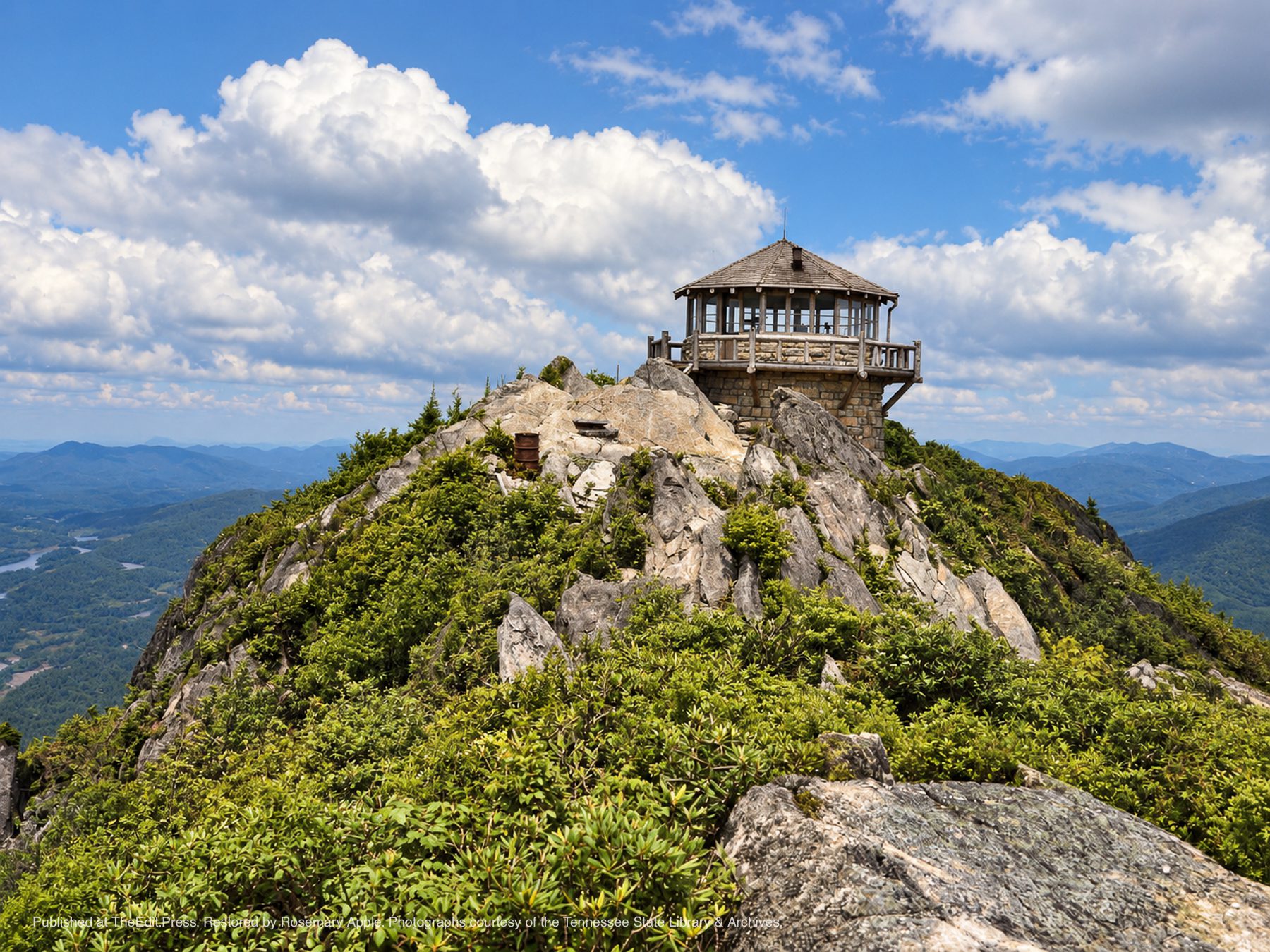
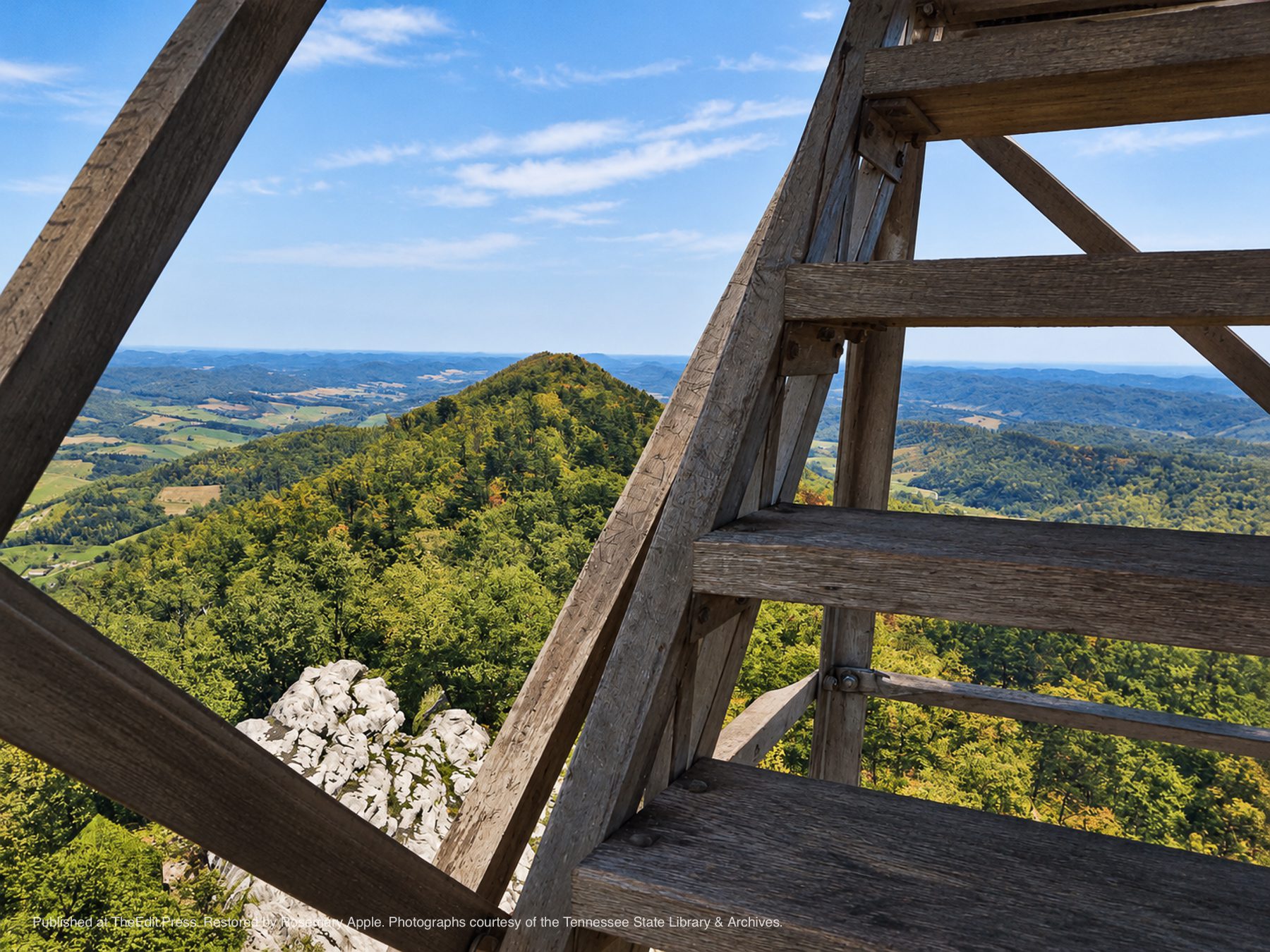
By the 1970s, advances in aerial surveillance and communications gradually replaced the need for staffed lookout towers. Although many have since been dismantled, others remain as historic landmarks. Some, including the Mount Cammerer lookout in the Great Smoky Mountains, can still be reached by hiking trails, while many others are closed to public climbing.
Today, these surviving structures offer a glimpse into Tennessee’s early conservation efforts and a time when protecting the wilderness began with someone standing watch above it.