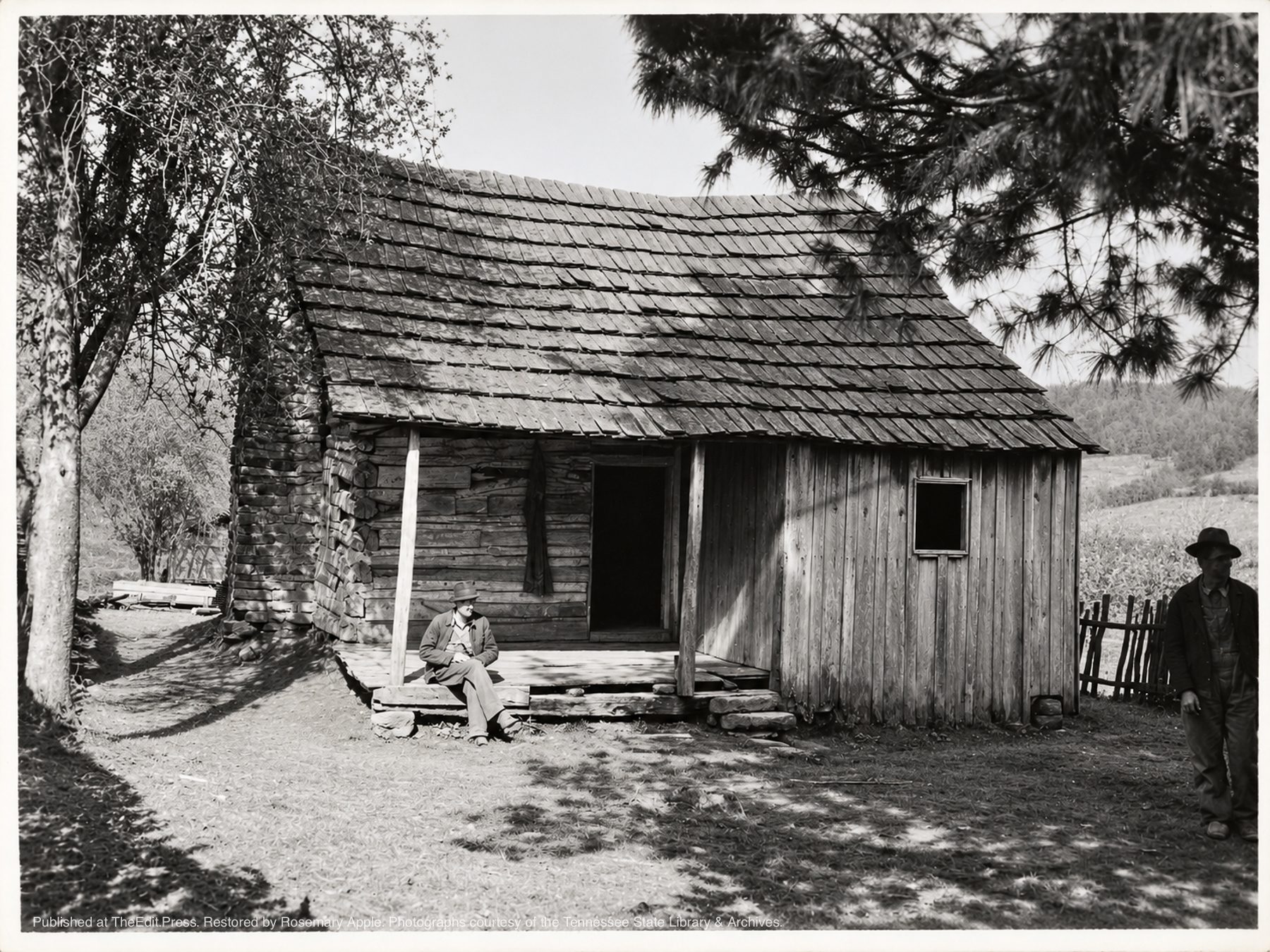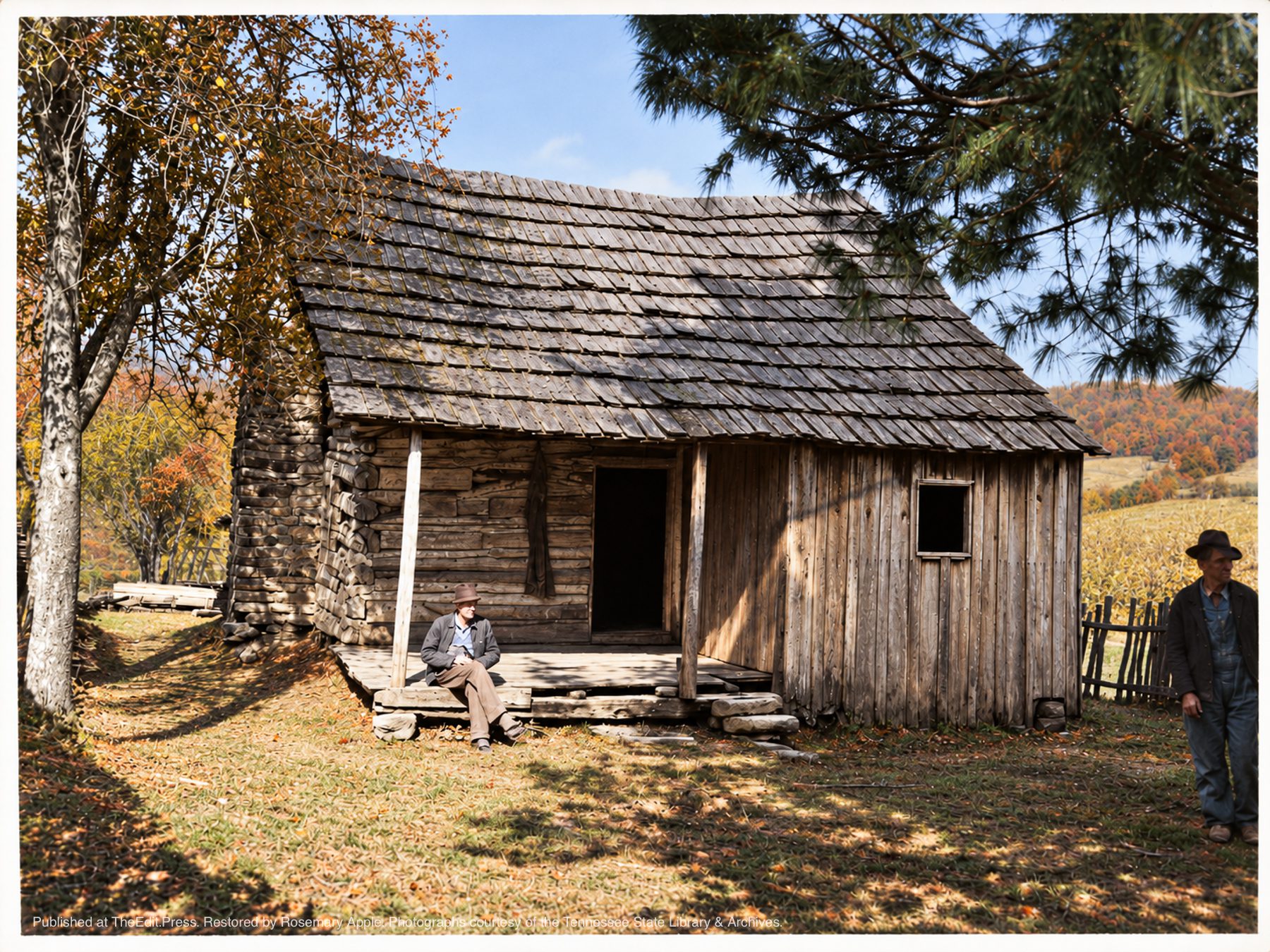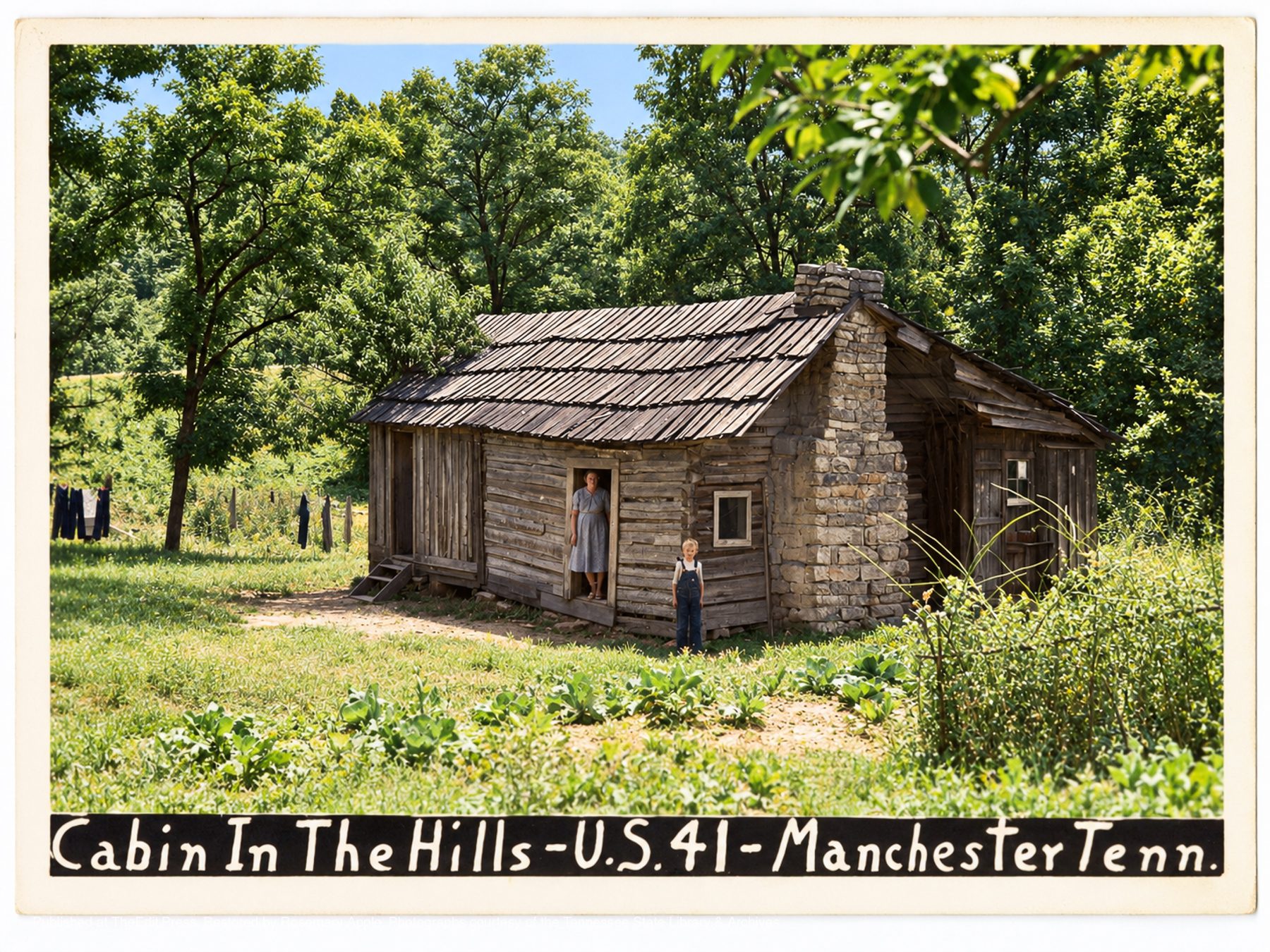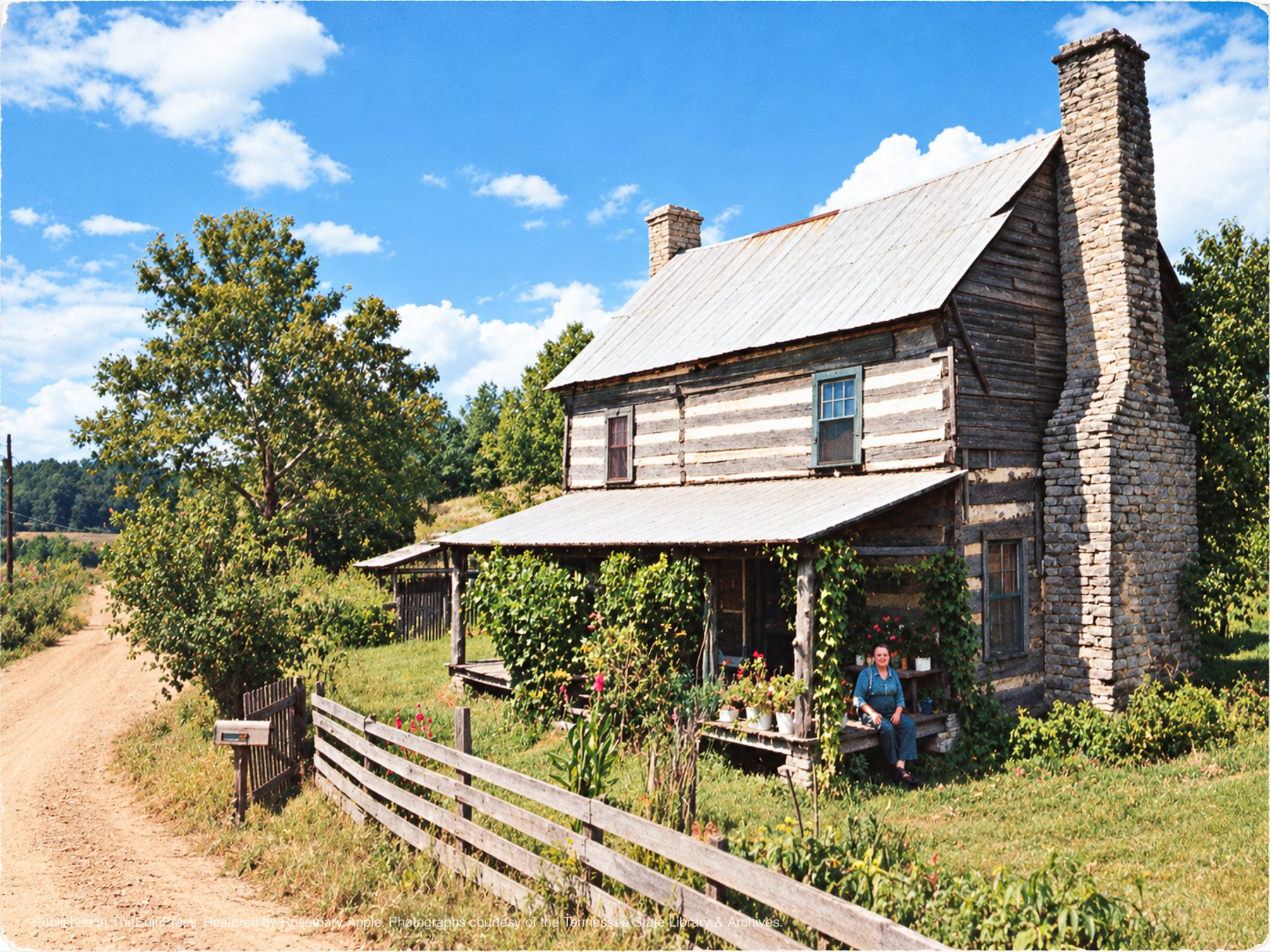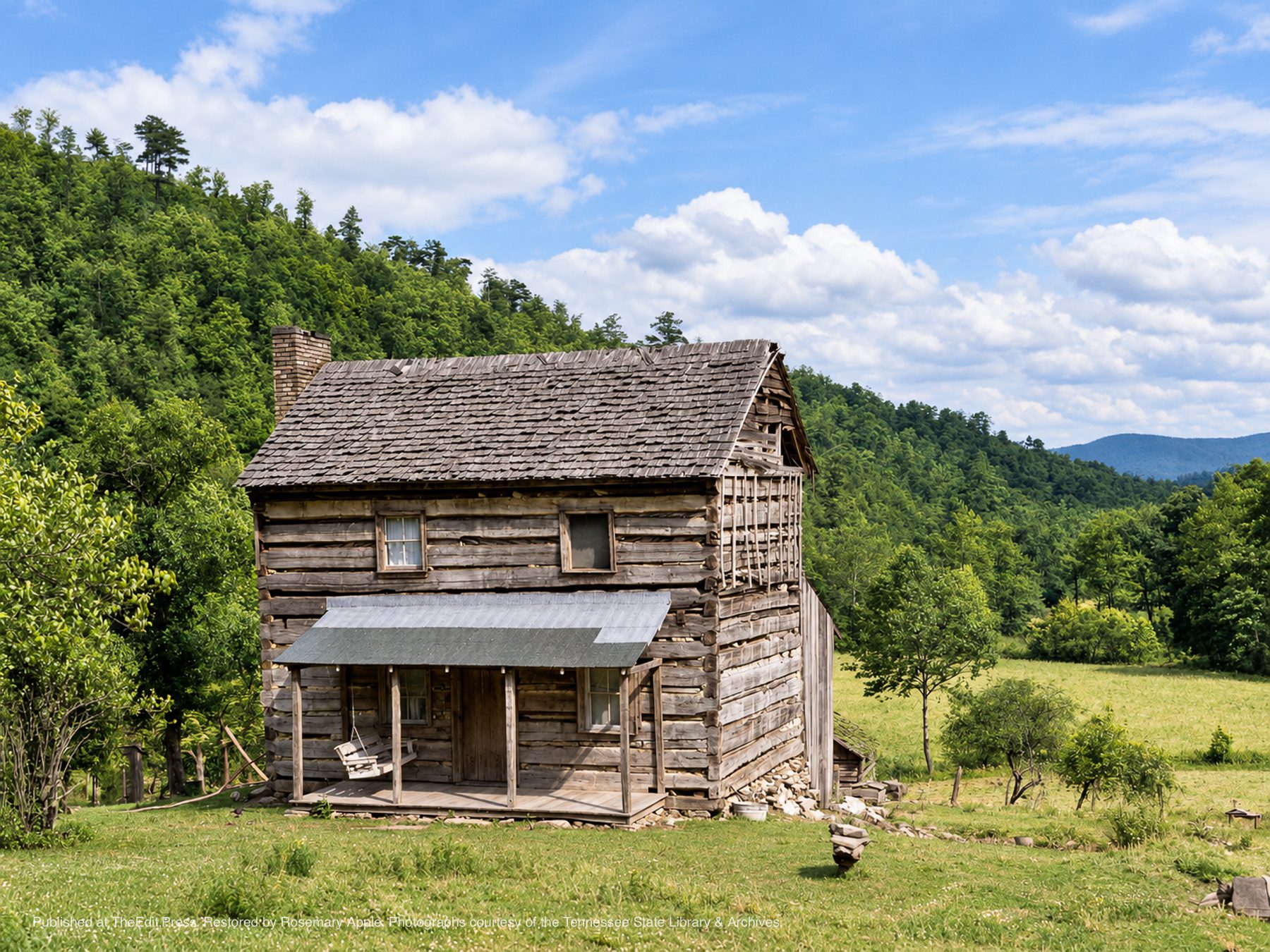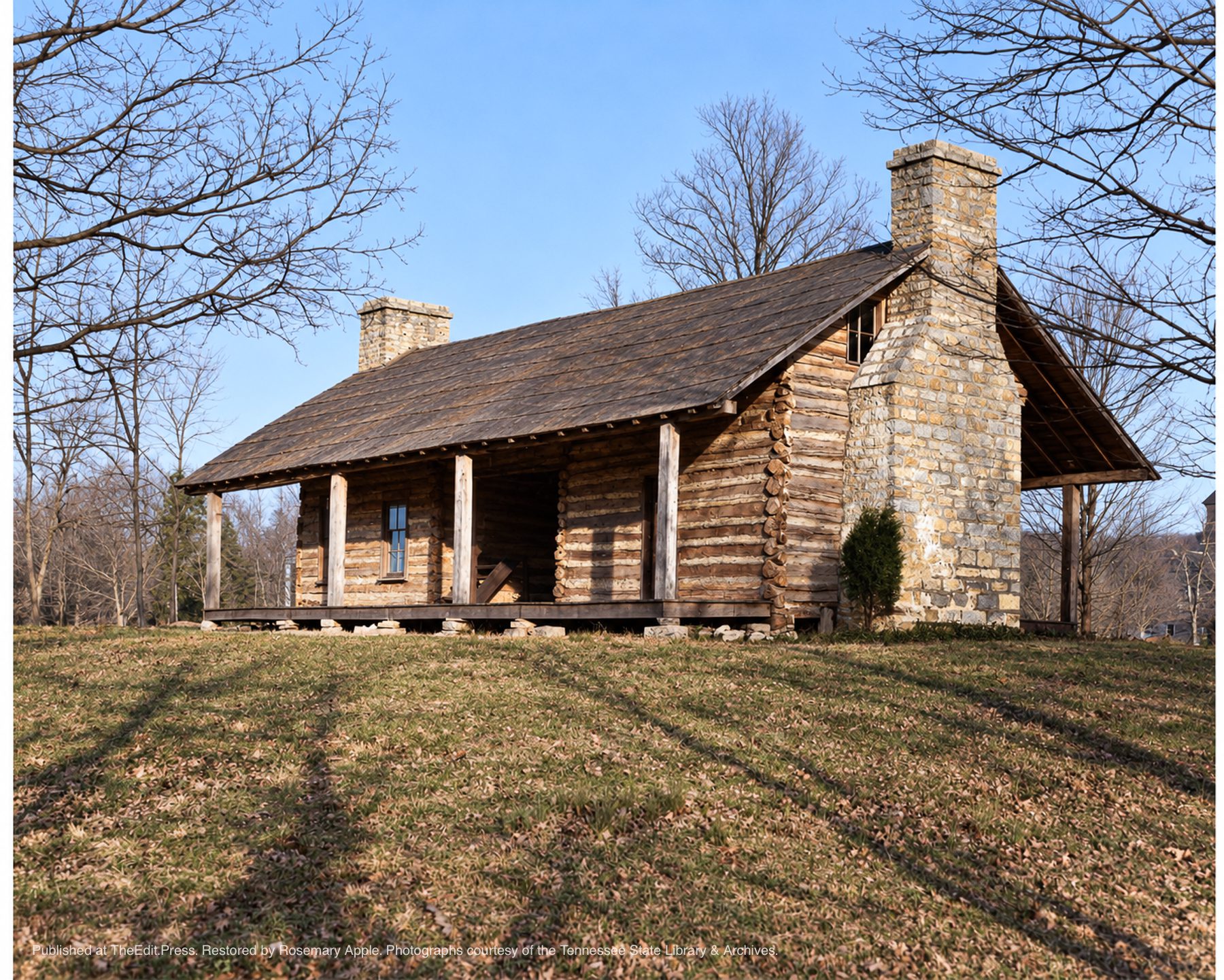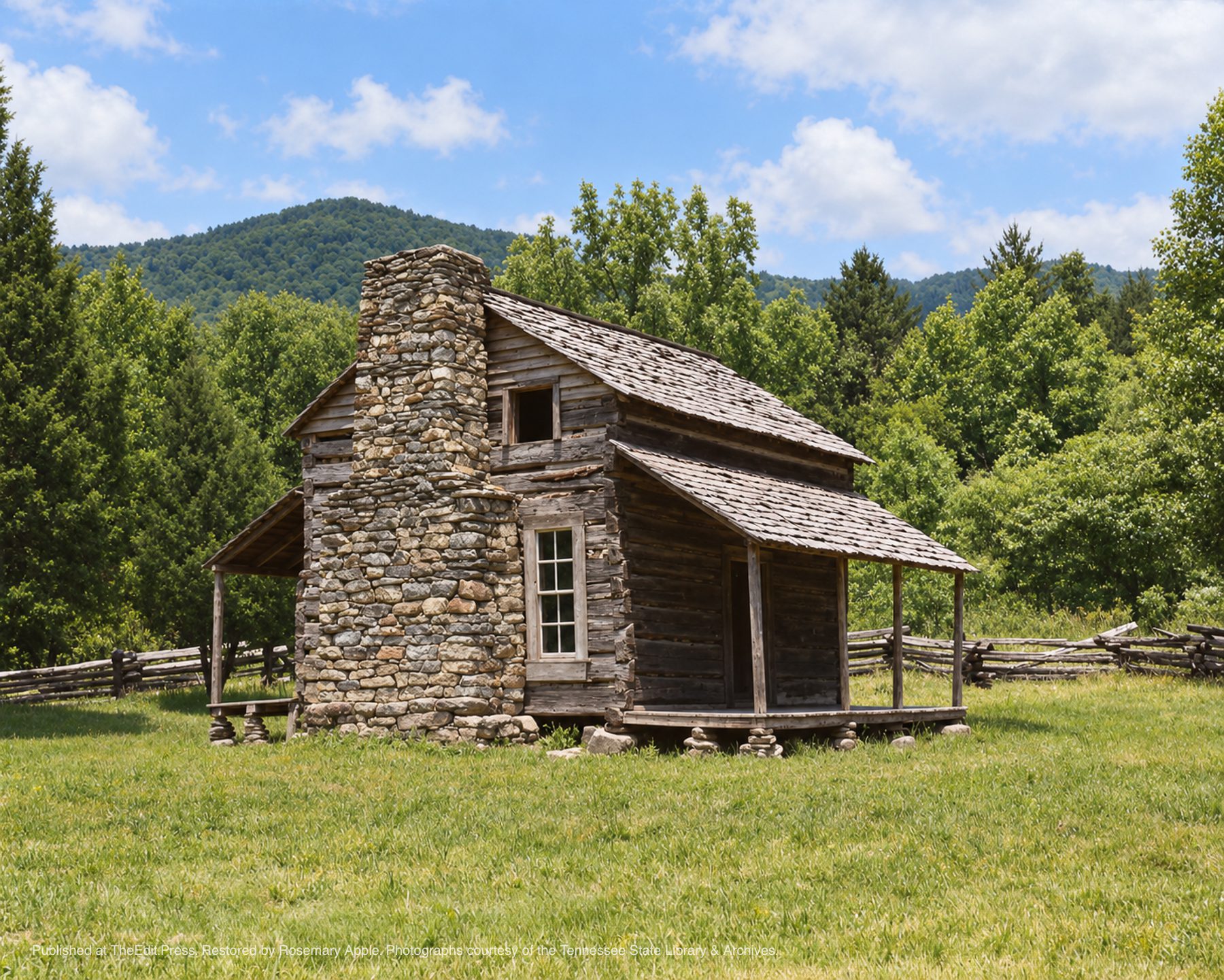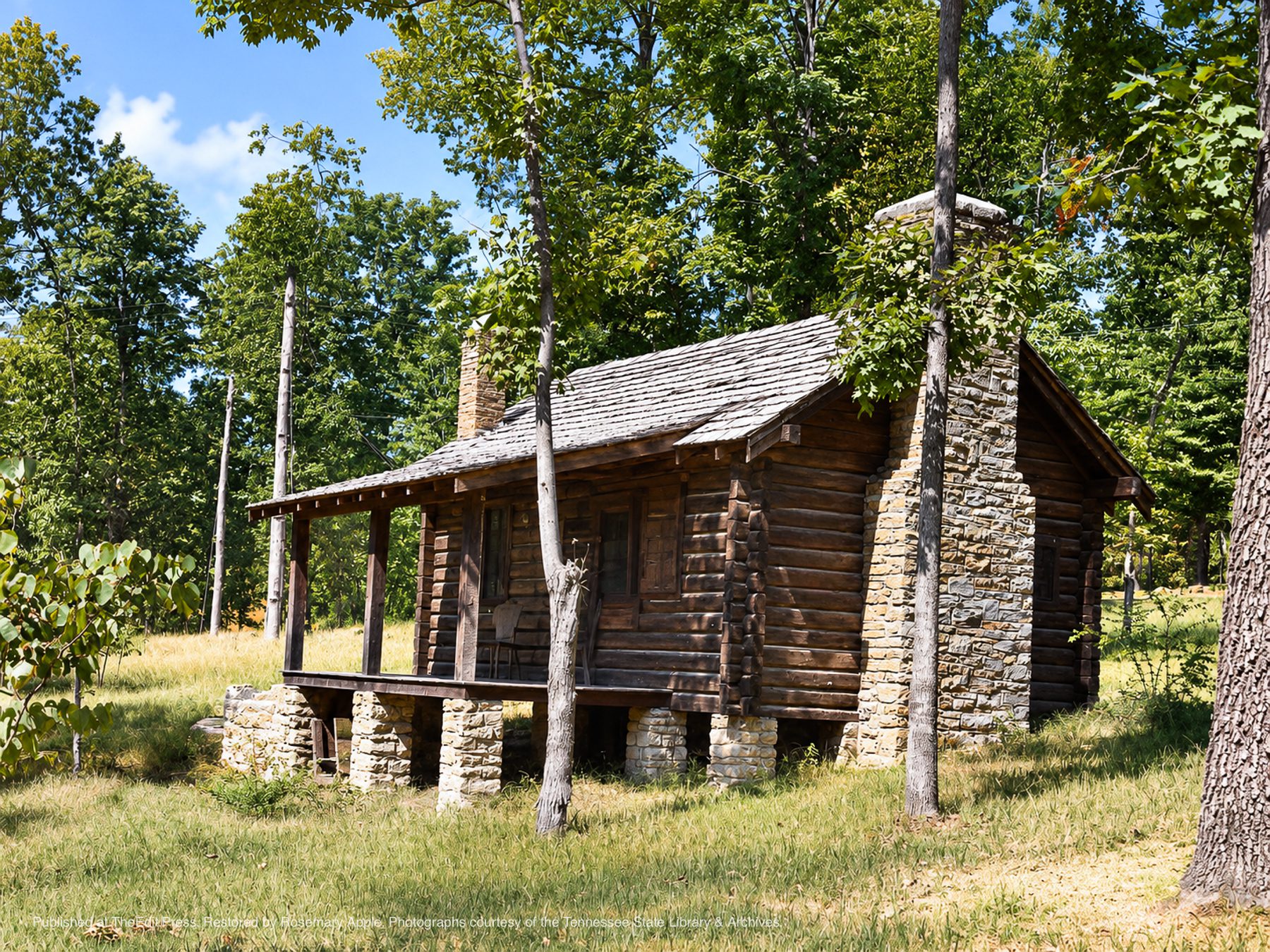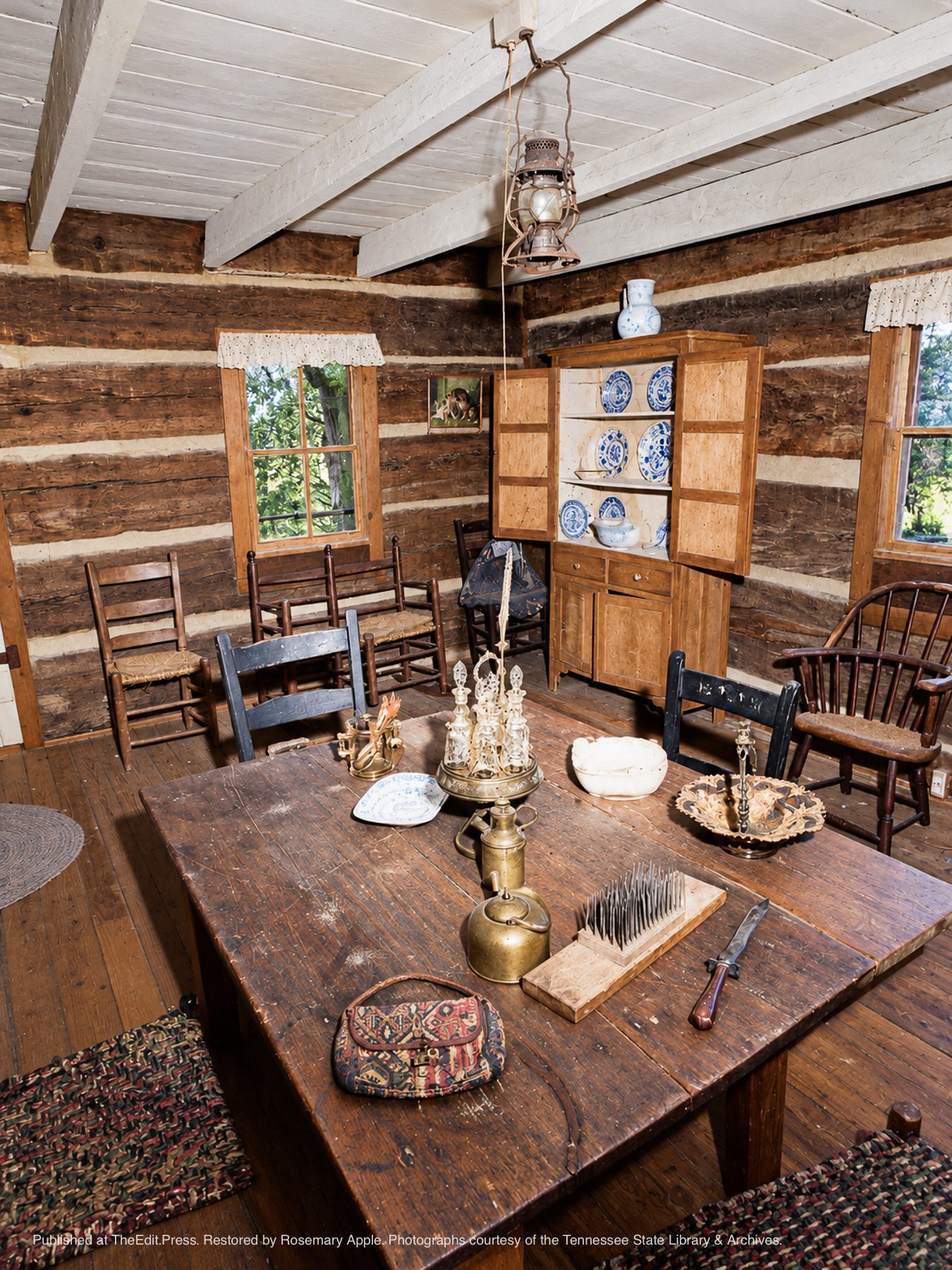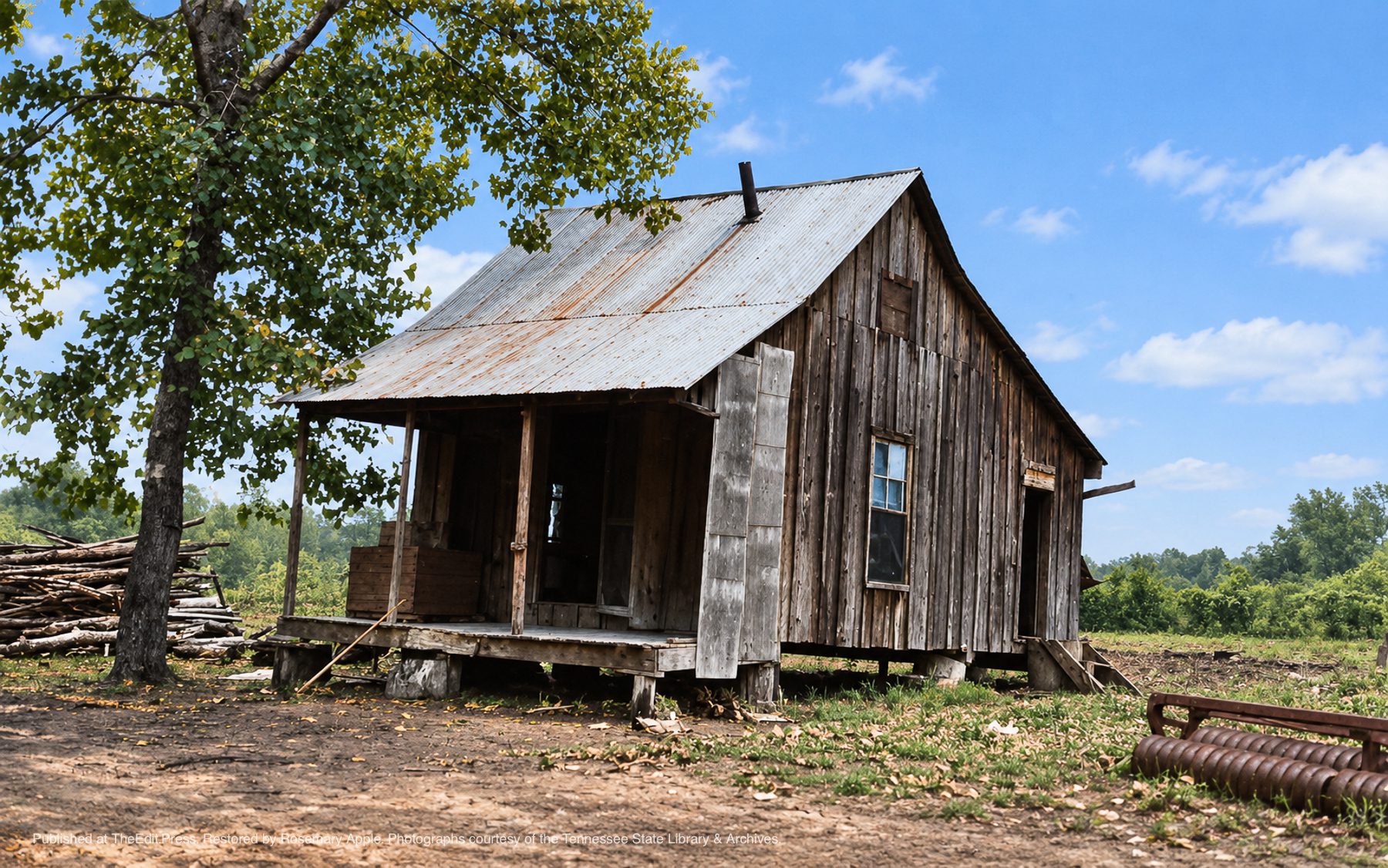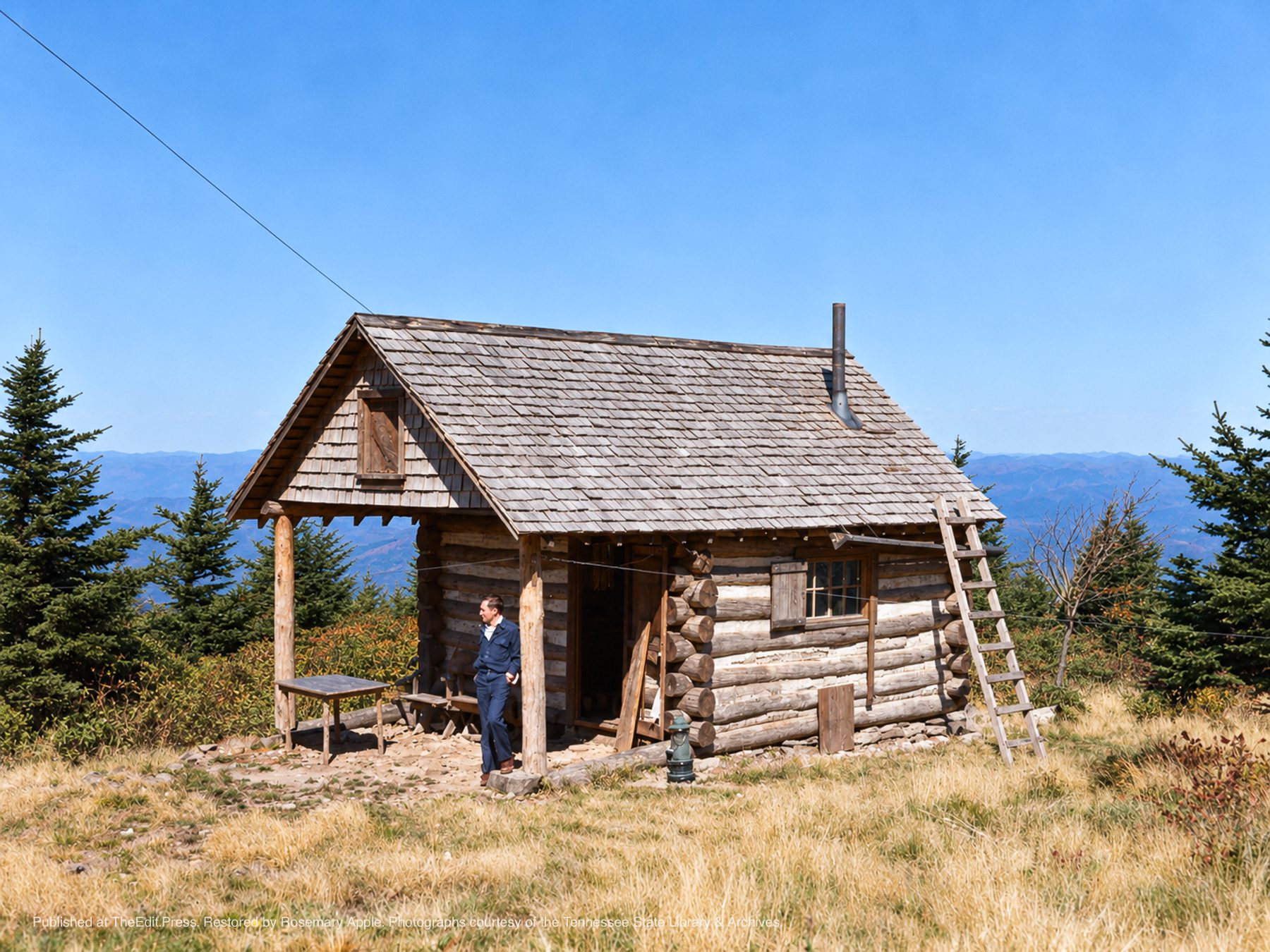
The log cabin is one of Tennessee’s most recognizable architectural traditions. Built from the natural resources of the surrounding landscape, these modest structures served as homes, working farmsteads, and places of refuge throughout the state’s rural hills and valleys.
Built From the Land
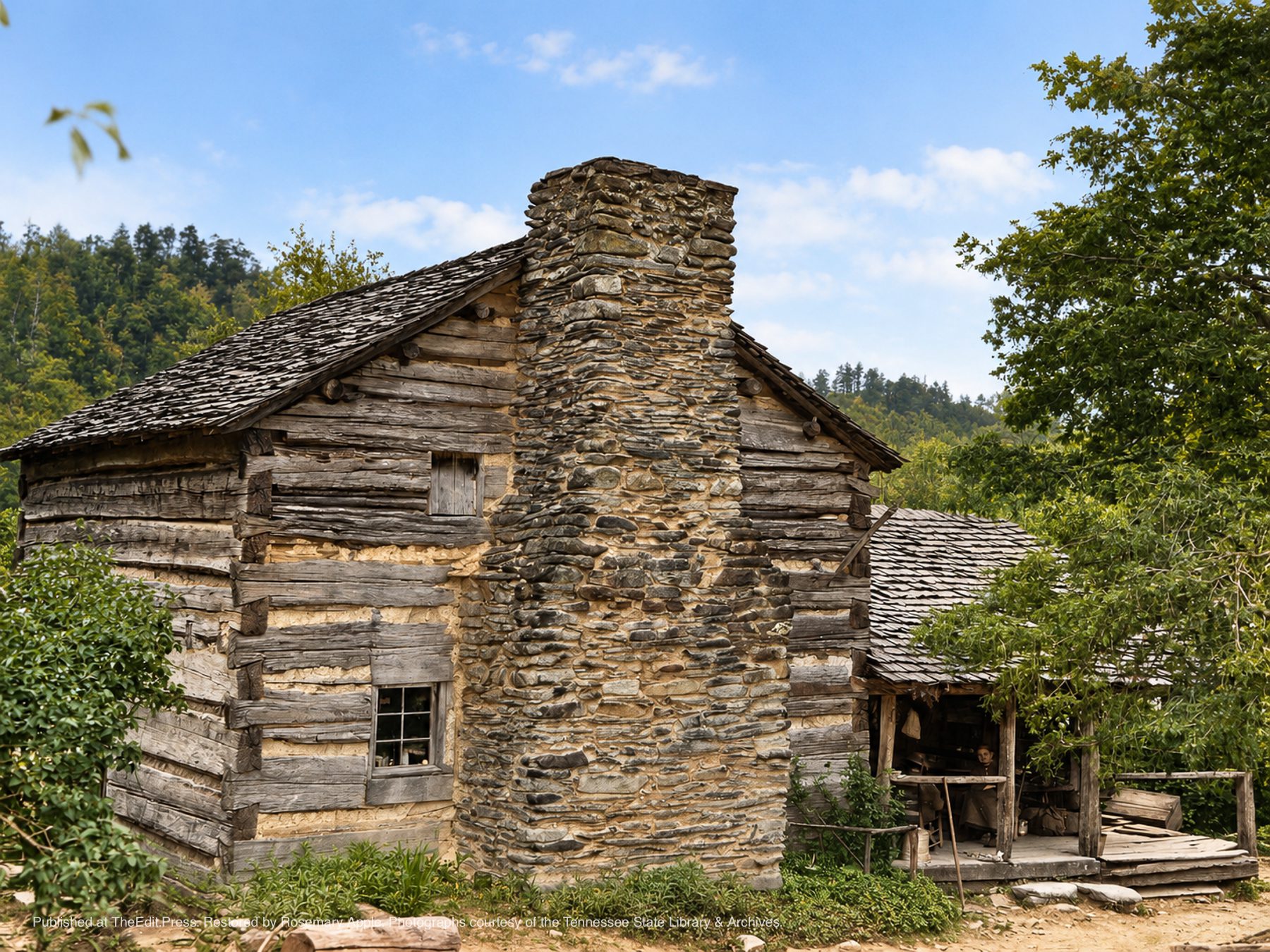
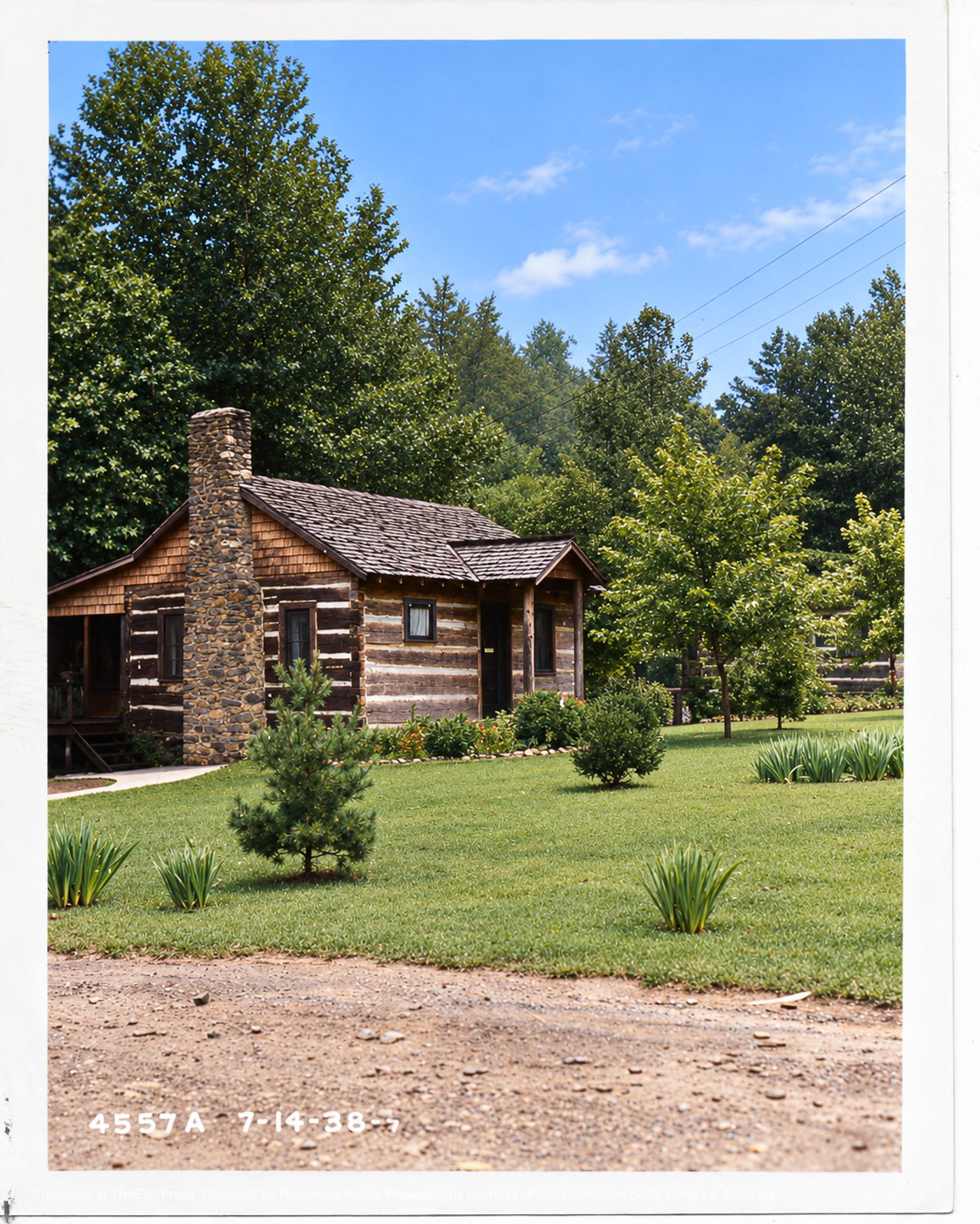
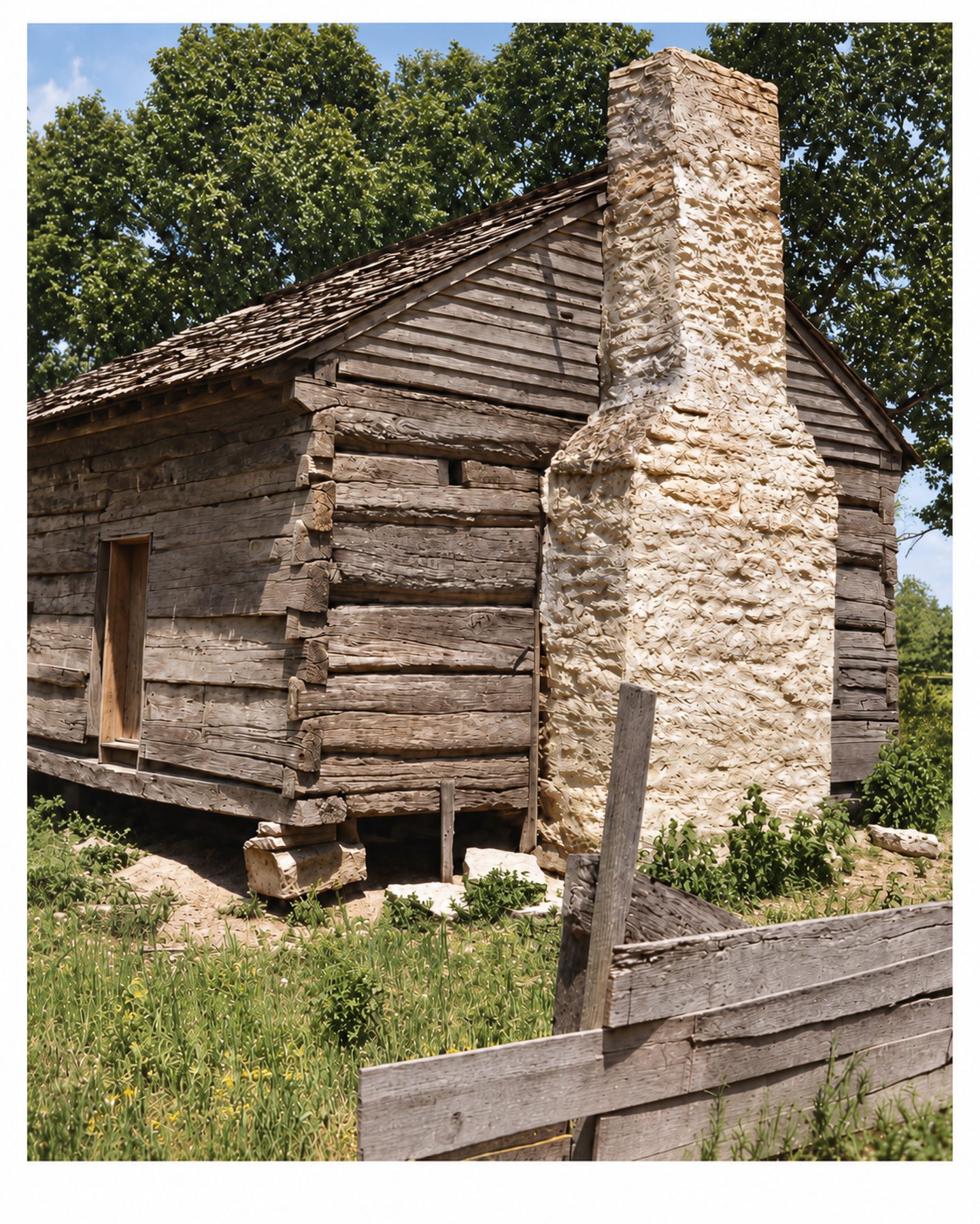
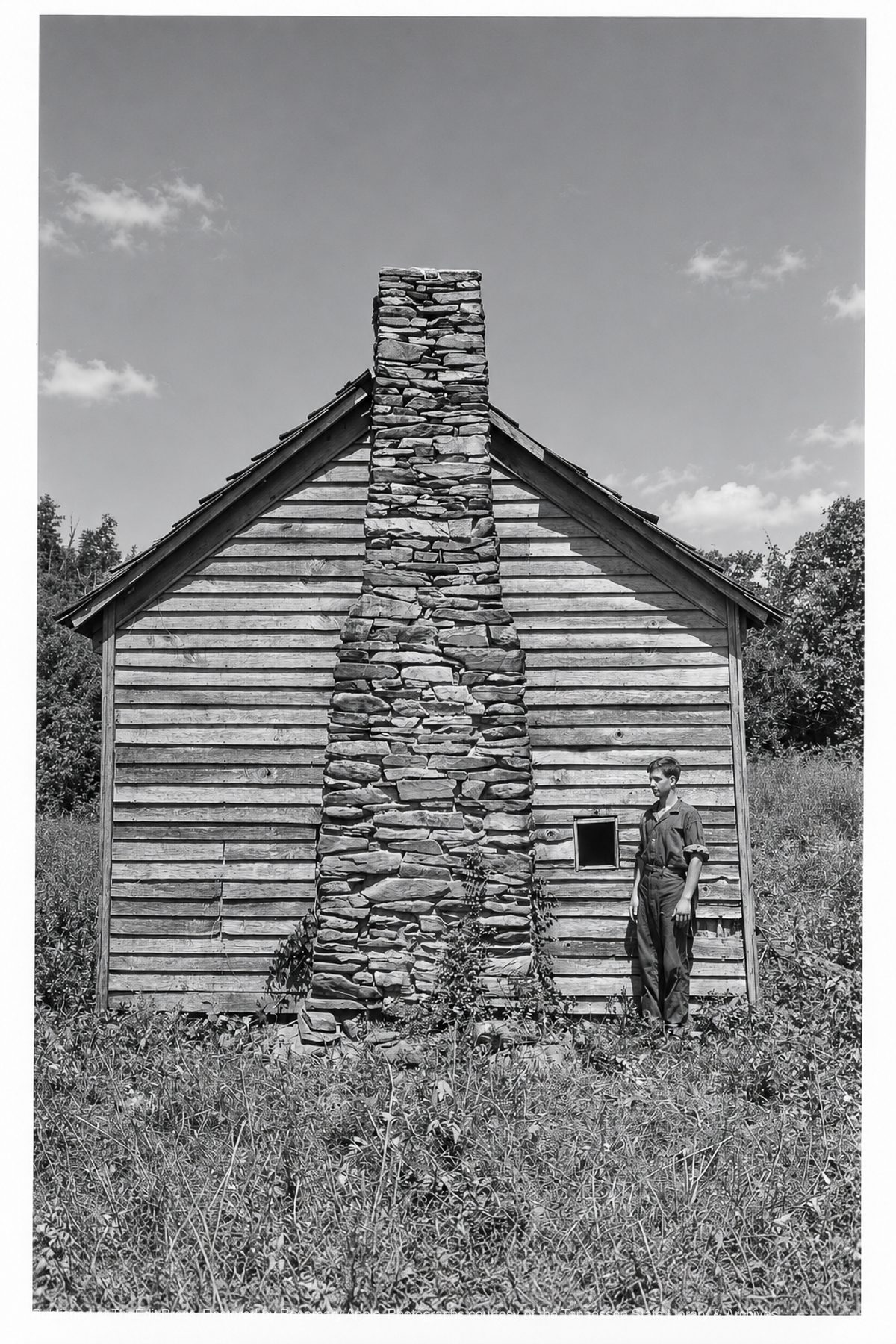
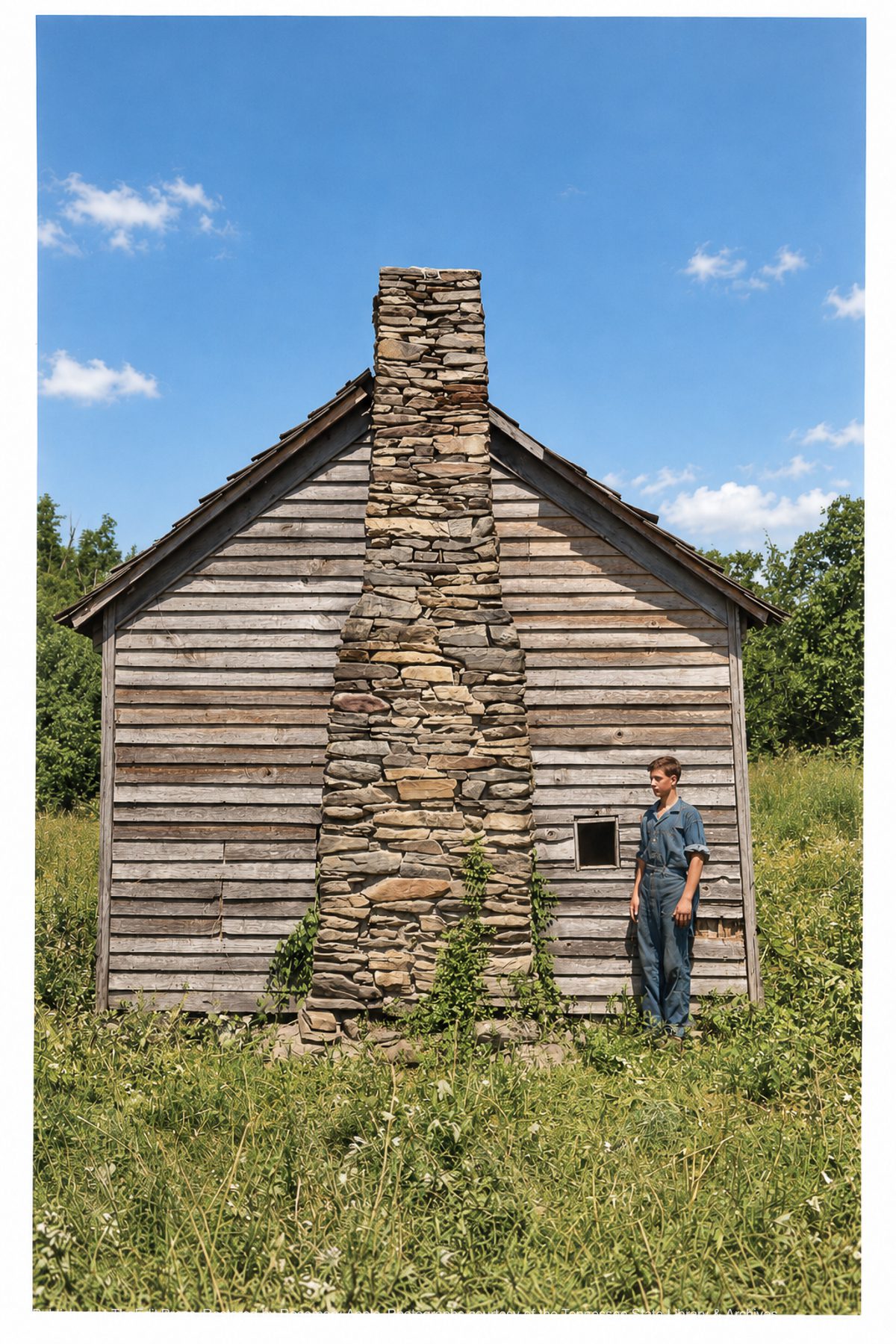
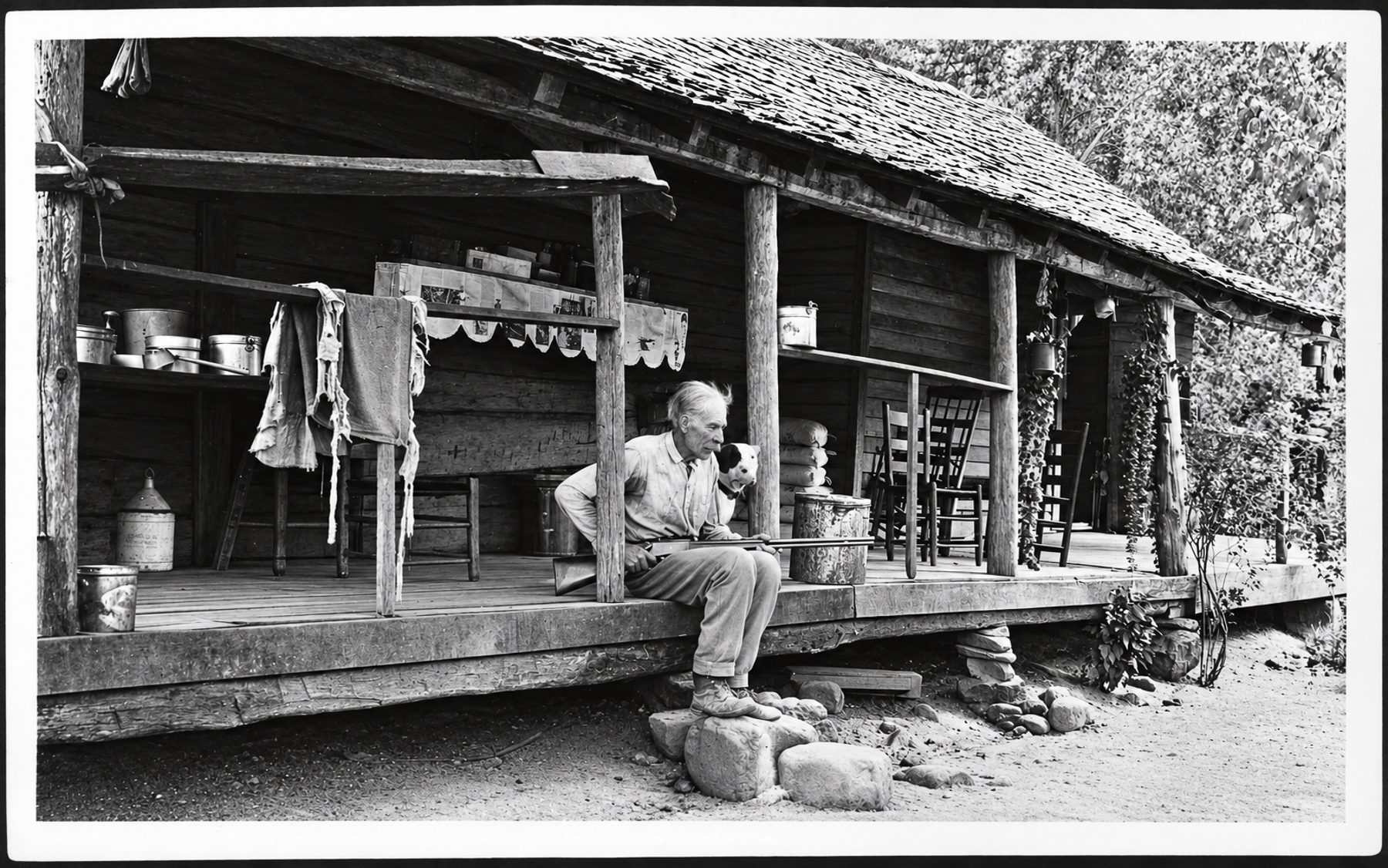
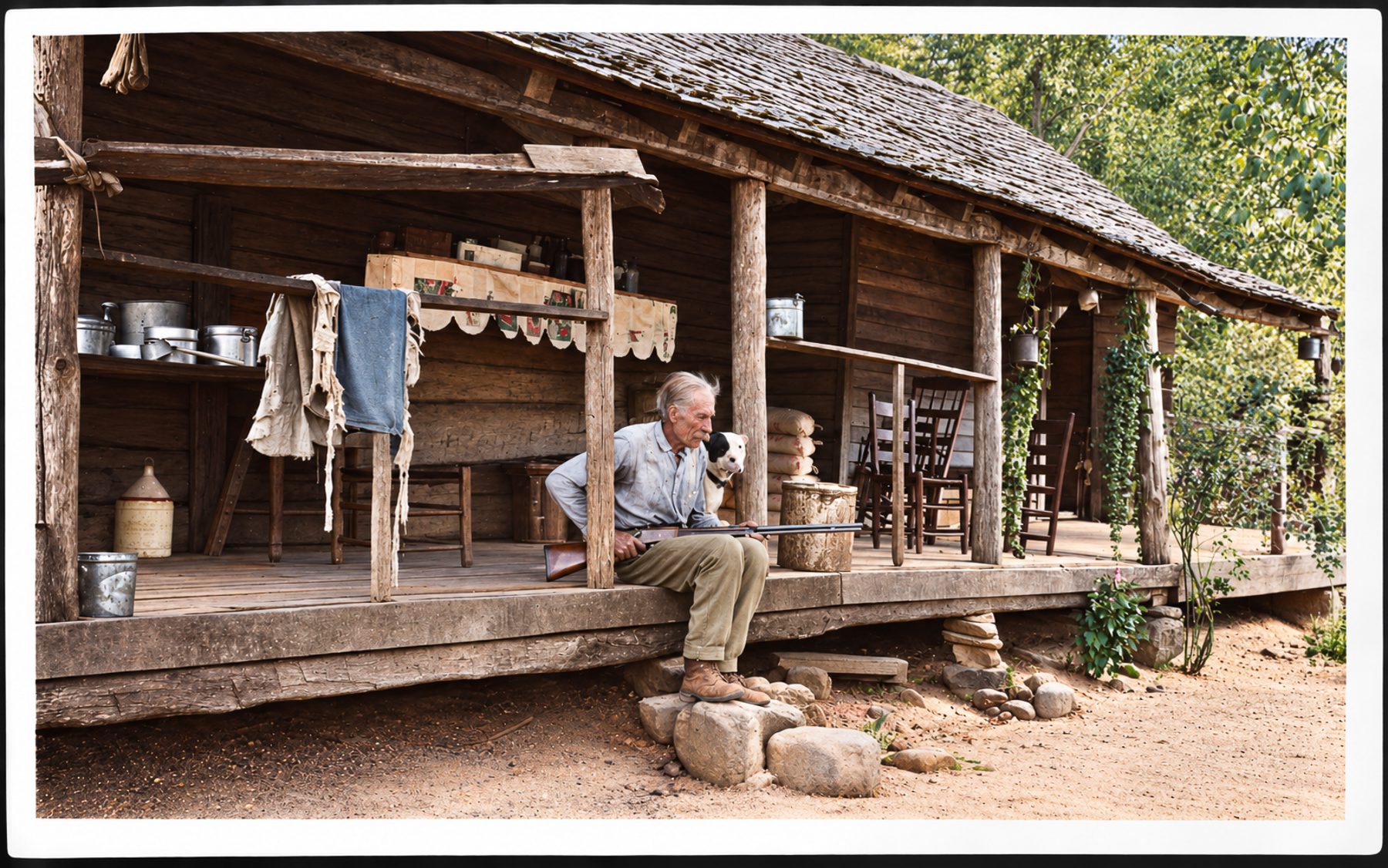
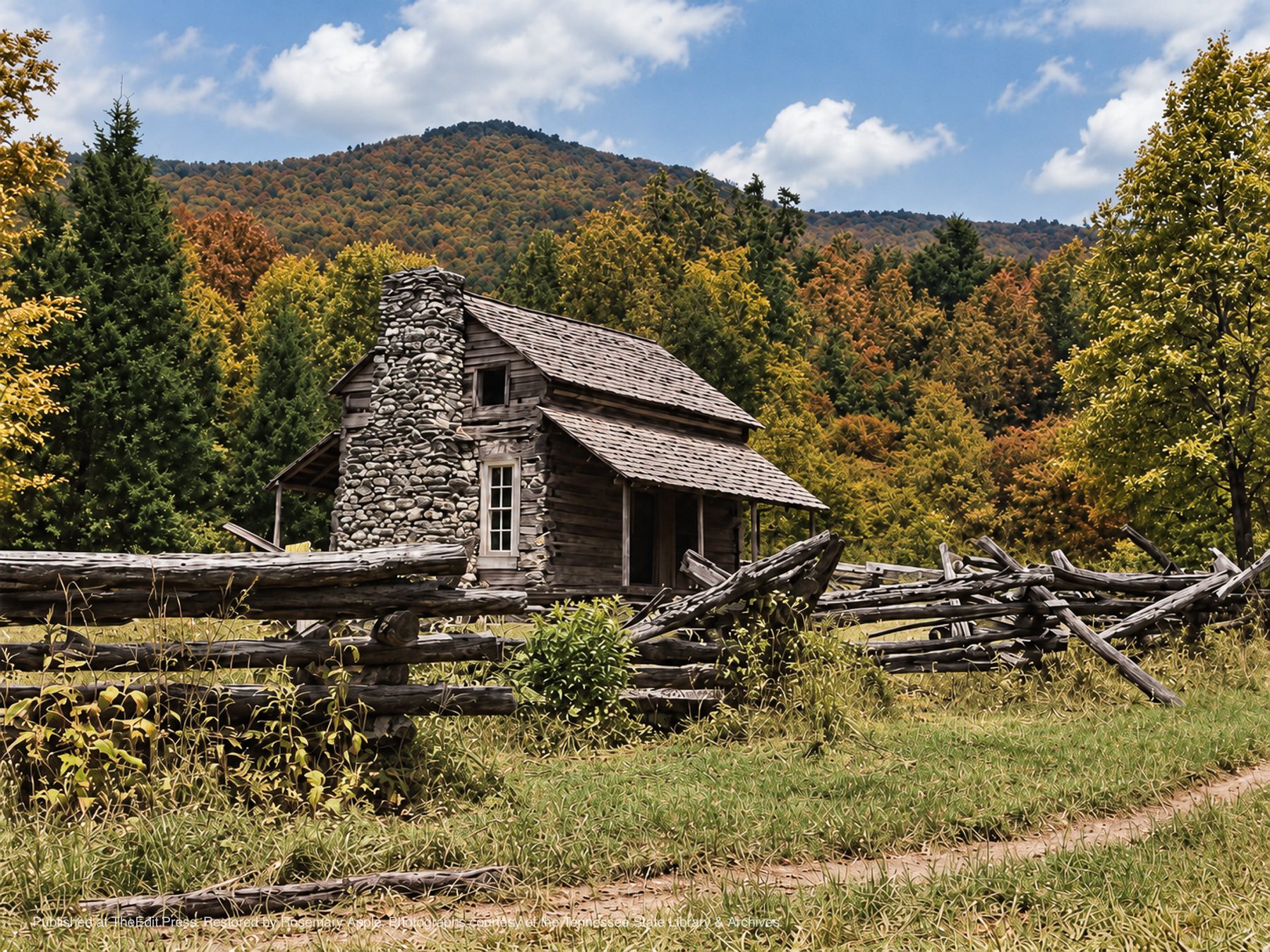
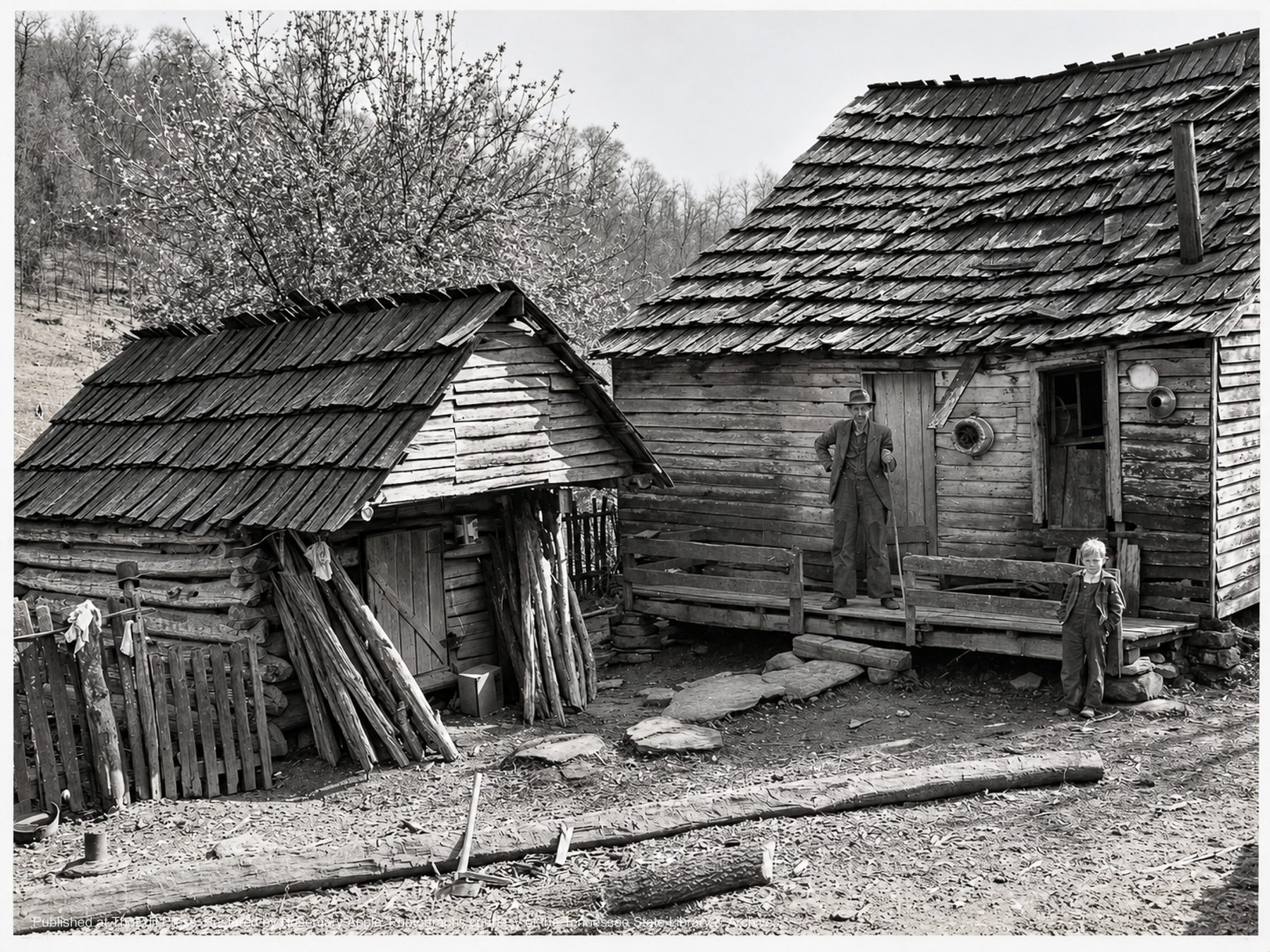
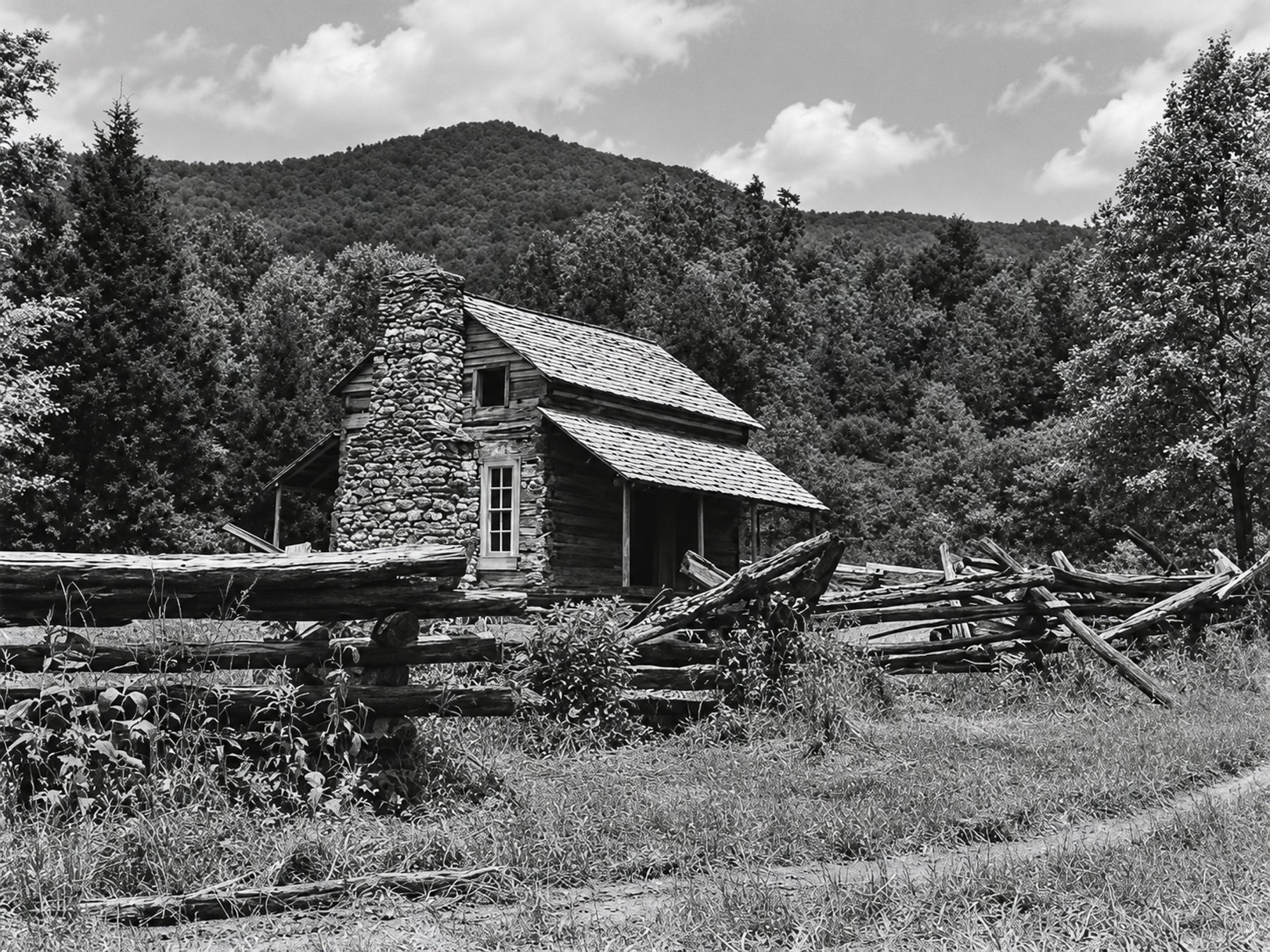
Long before the modern mountain retreat, cabins were essential to everyday life. Timber harvested from nearby forests formed the walls, while locally gathered stone was used for foundations, chimneys, and fireplaces. Hand-split wooden shingles covered rooftops, and simple porches extended living spaces into the outdoors.
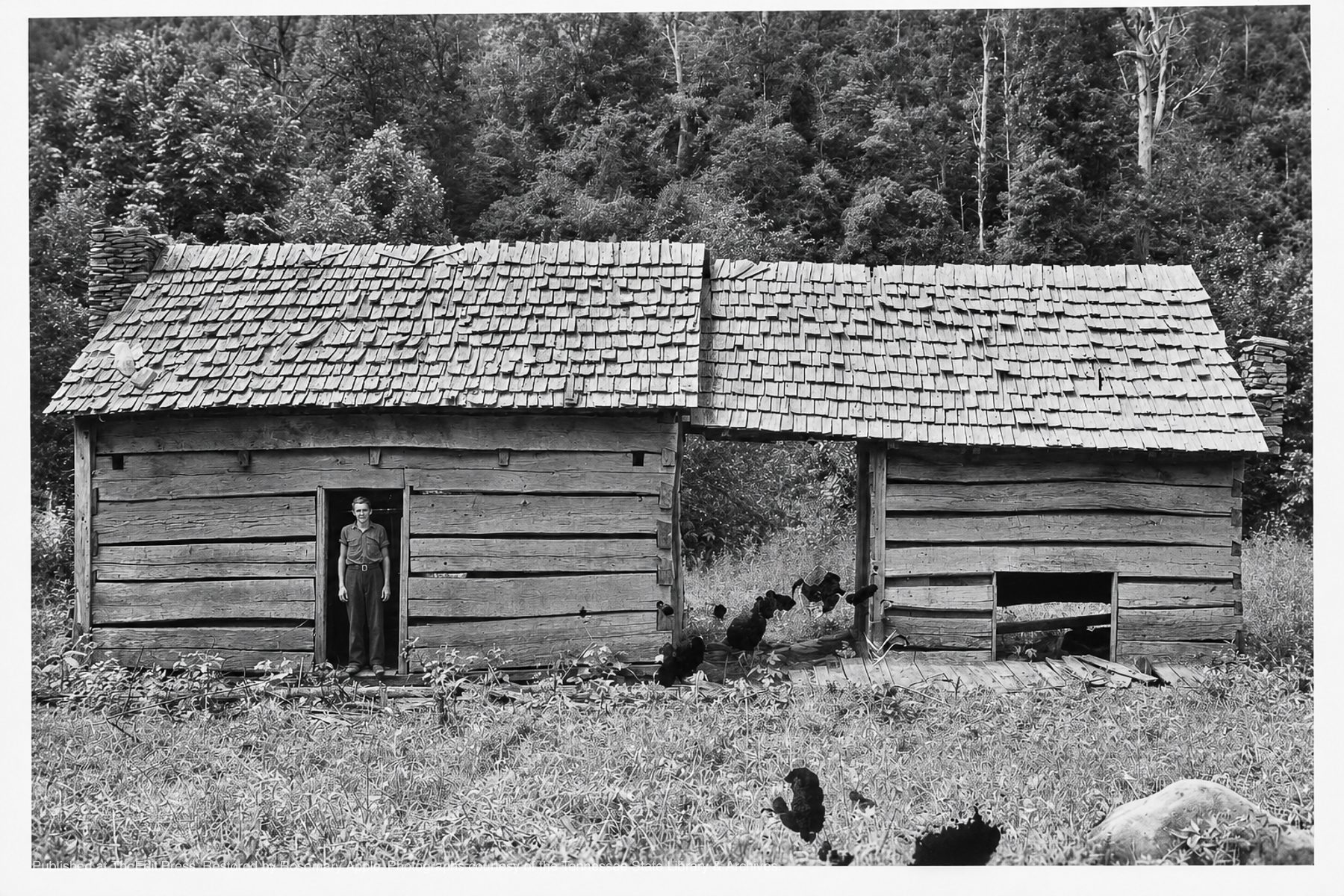
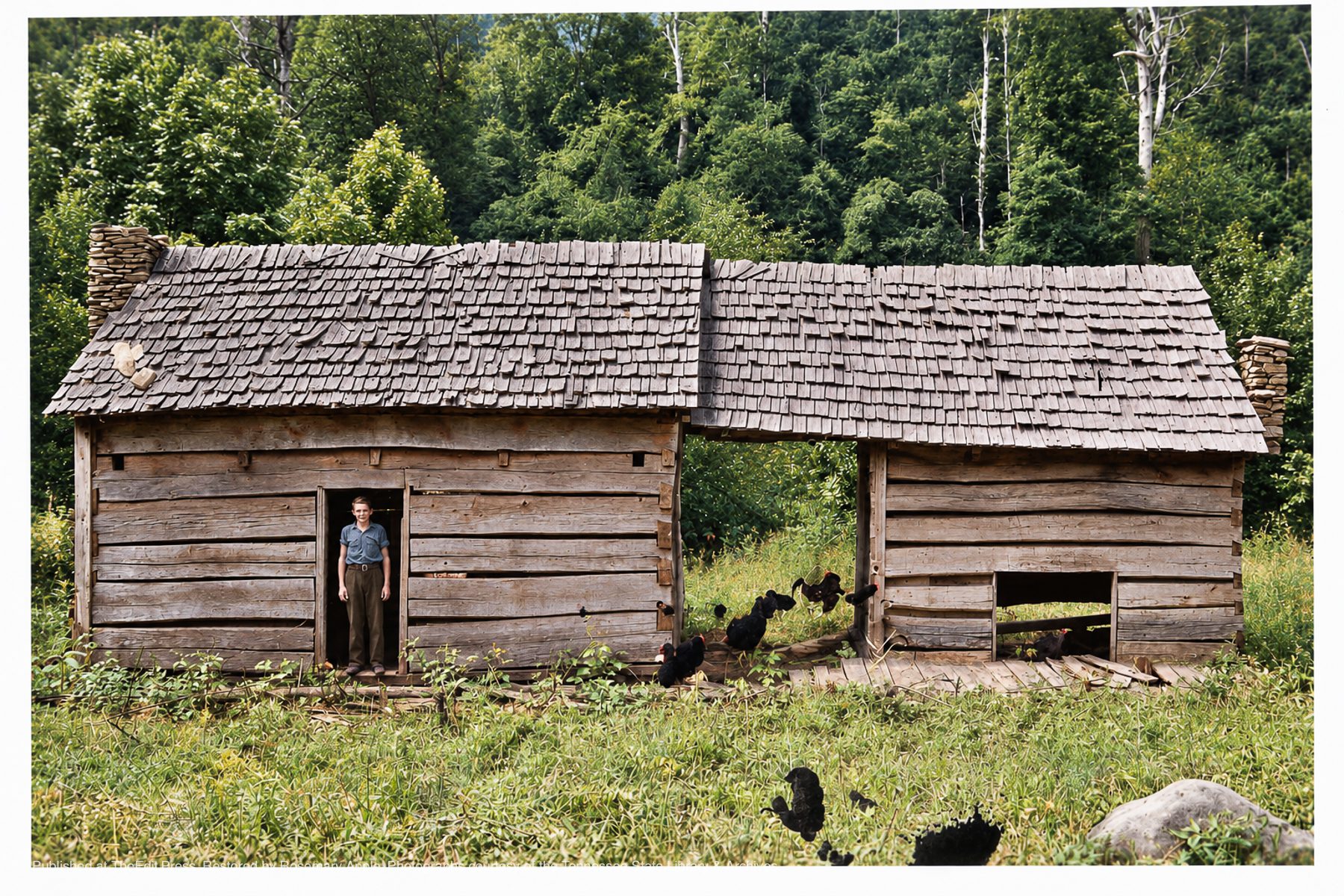
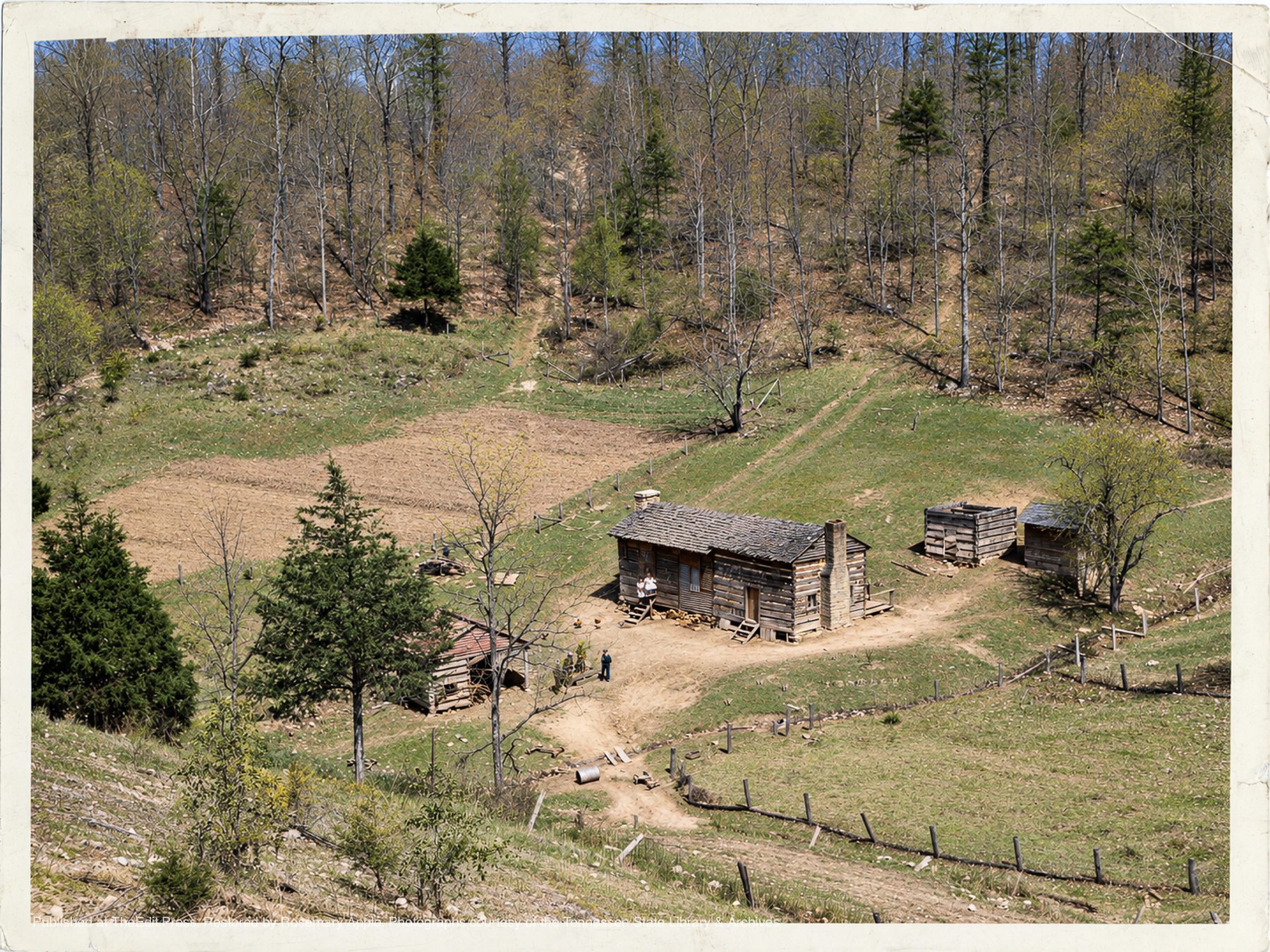
These structures were often part of larger homesteads, accompanied by smokehouses, corn cribs, barns, and other outbuildings necessary for farming and self-sufficient living.
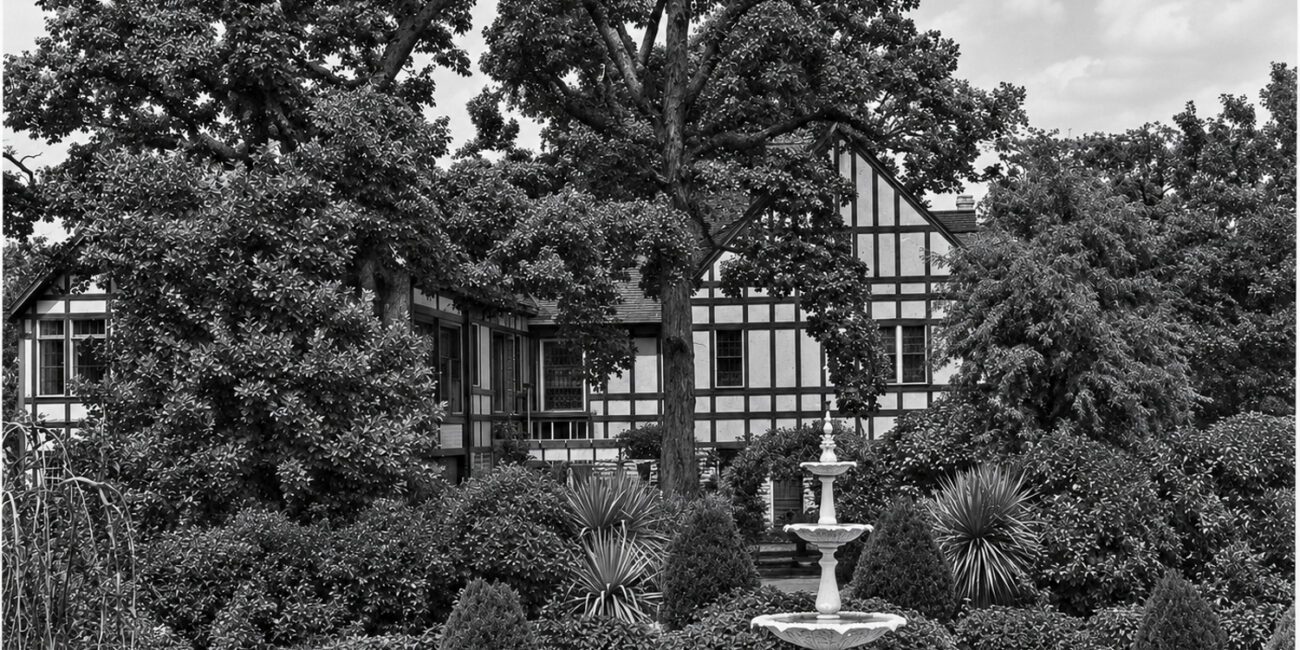
Though their construction was practical, many of these buildings reveal a distinct architectural character shaped by generations of craftsmanship, available materials, and regional traditions.
Life in the Mountains
Life in Tennessee’s mountain communities was closely tied to the land. Families relied on farming, livestock, gardens, and the surrounding forests for their livelihoods. Remote locations, difficult terrain, and limited economic opportunities presented challenges that extended well into the twentieth century.
The Great Depression brought further hardship to rural communities. Throughout the 1930s, drought, declining agricultural prices, and soil erosion threatened farms across the country. In Tennessee, steep hillsides and vulnerable farmland presented additional challenges.
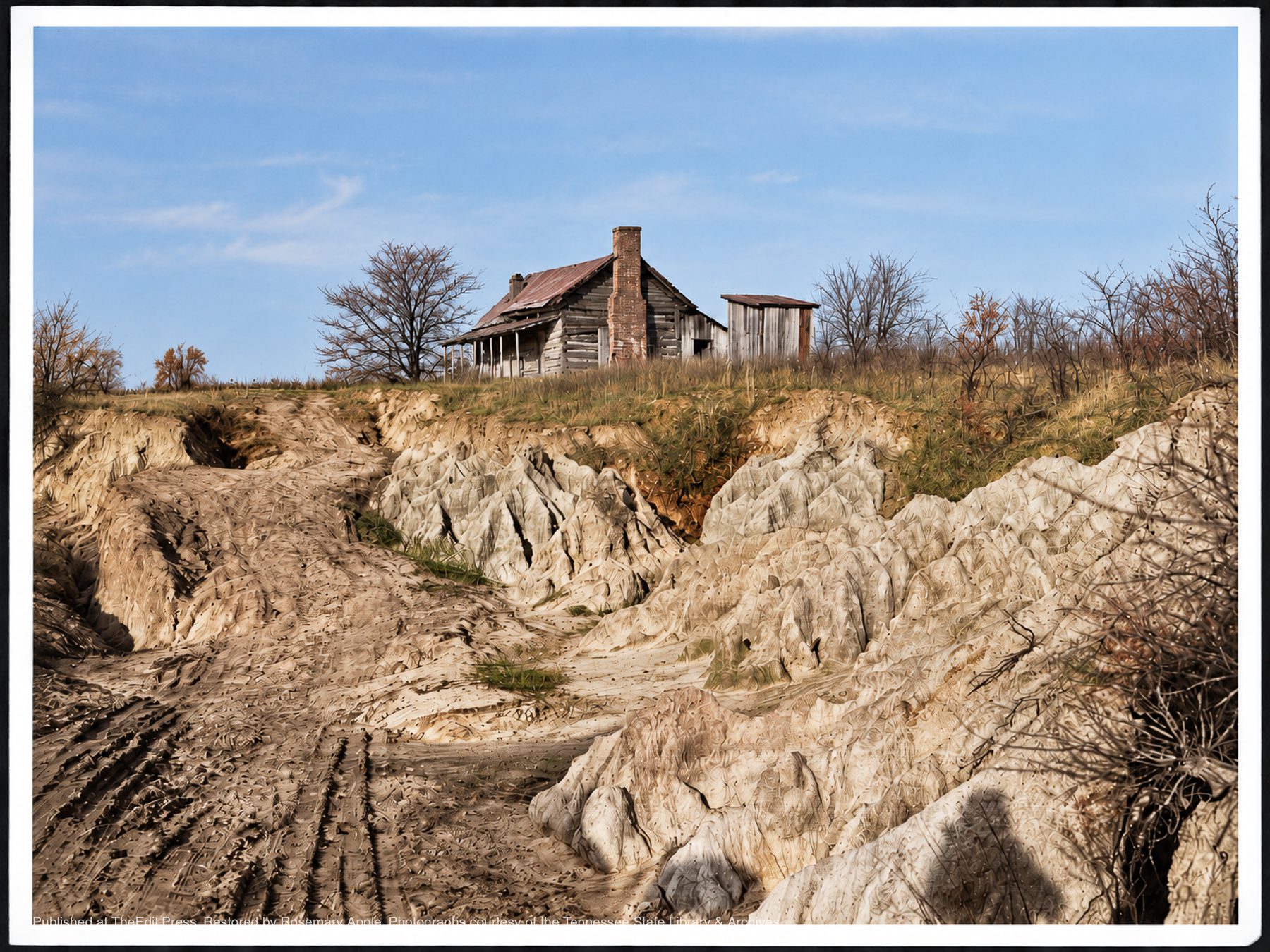
One archival photograph dated January 21, 1941, captures a log cabin overlooking a severely eroded hillside—a striking record of the environmental difficulties faced by rural landowners during this period.
Federal agricultural and conservation programs introduced during the New Deal sought to address some of these conditions through improved farming practices, soil conservation, and assistance to struggling families.
A Lasting Tradition
While the log cabin has since become associated with leisure, mountain escapes, and rustic architecture, its history extends far beyond its picturesque appearance.
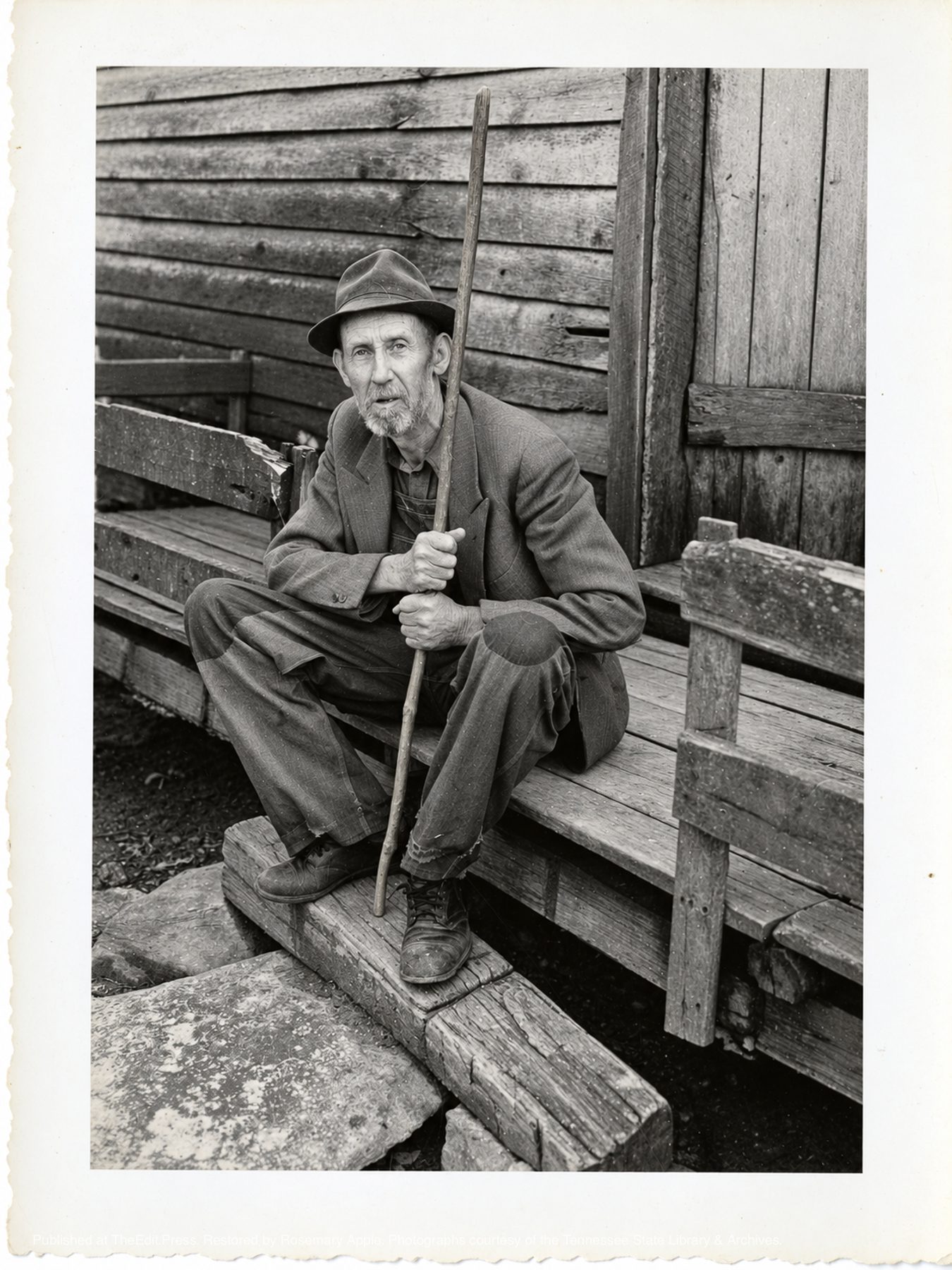
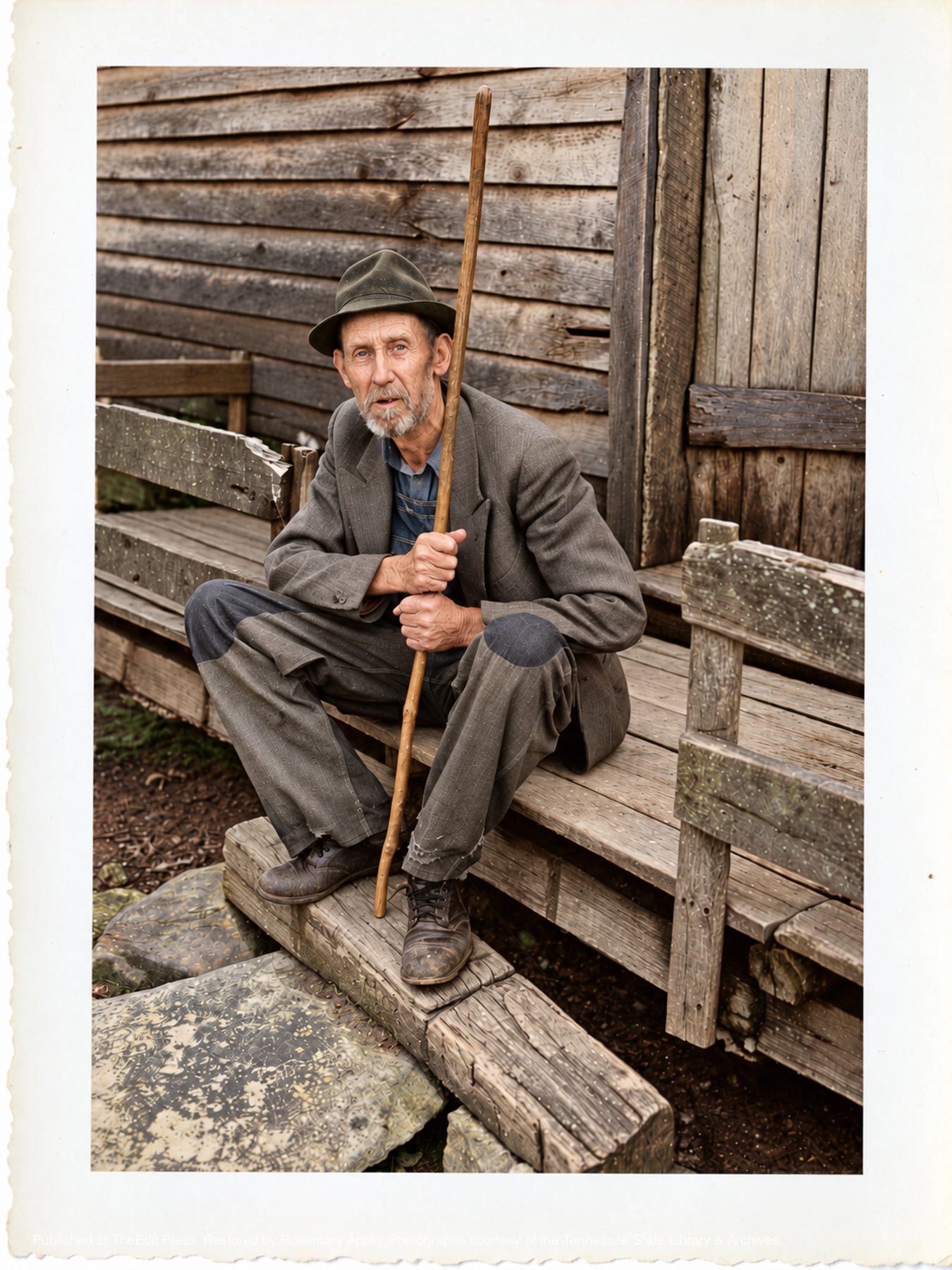
These photographs offer a glimpse into the homes, families, and working landscapes of an earlier Tennessee. Weathered timber, stone masonry, simple furnishings, and quiet scenes of everyday life preserve a record of the state’s rural architectural heritage.
media gallery