

Why the hospitality industry is the next driving factor of economic growth.
From secluded islands to scenic waterfalls, natural attractions inspire the journey—but hospitality shapes the experience.
Every destination begins with a reason to visit. A secluded beach, a cascading waterfall, or an iconic landscape can inspire travelers to journey hundreds—or even thousands—of miles.
But while the destination inspires the journey, the experience defines it.
Where visitors stay, how they explore, amenities, and the people they encounter all contribute to their perception of a place. A memorable experience can encourage longer stays, repeat visits, and recommendations that introduce a destination to new audiences.
For communities fortunate enough to possess desirable natural attractions, this presents an economic opportunity extending far beyond traditional tourism.
Hospitality transforms visitor interest into economic activity. As these hospitality businesses develop, they generate employment and create opportunities for further investment.
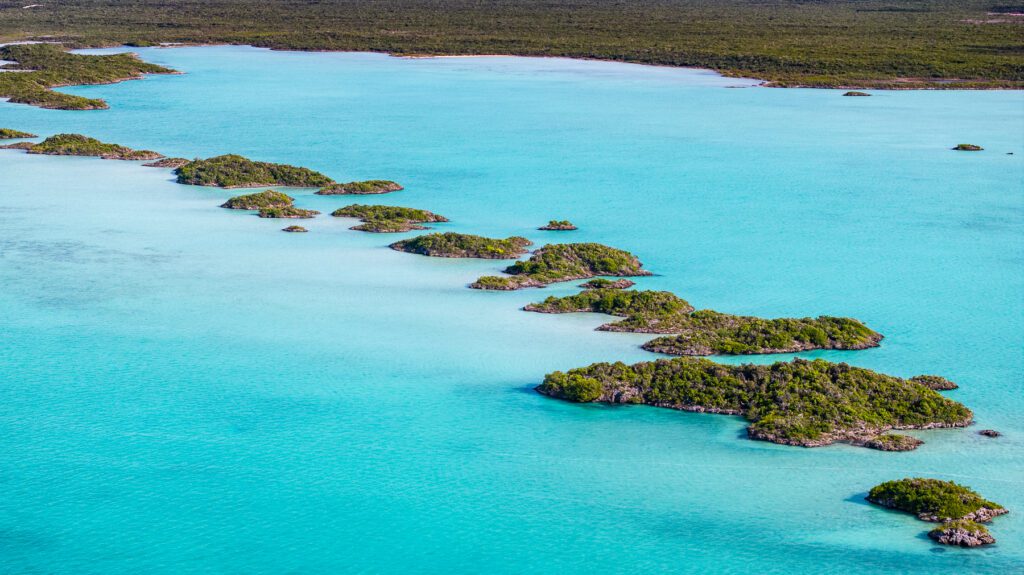
Case Study One: Turks and Caicos — The Business of Exclusivity
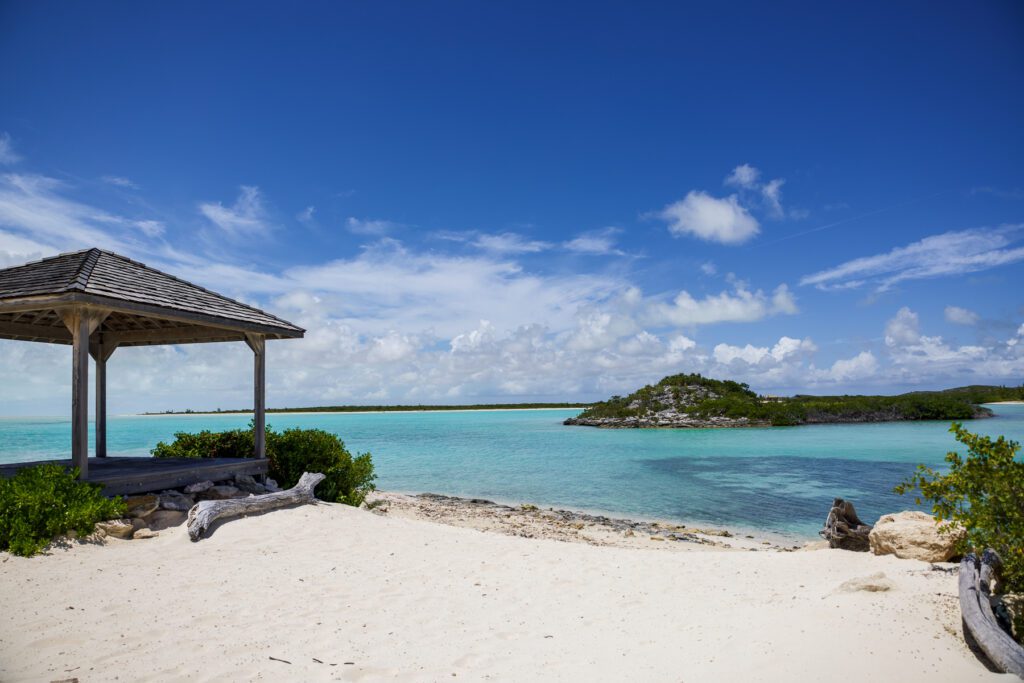
Located in the Atlantic Ocean southeast of the Bahamas, the Turks and Caicos Islands have established themselves as one of the premier luxury travel destinations.
The archipelago consists of approximately 40 islands and cays, with tourism concentrated primarily around Providenciales, home to the internationally recognized Grace Bay Beach.
Despite their relatively remote geographic location, the islands attract an international clientele seeking pristine beaches, turquoise waters, privacy, and upscale accommodations.
Tourism serves as a cornerstone of the local economy, supporting employment and business activity across multiple industries.
Beyond its luxury accommodations, the islands’ natural landscape supports an extensive network of tourism-related businesses. From turquoise waters and secluded cays to distinctive coastlines and coral reefs, the environment itself creates opportunities for exploration and recreation. Boat charters, fishing excursions, snorkeling, diving, and island tours connect visitors with these natural attractions, while restaurants, transportation providers, and other local businesses benefit from the tourism they generate.
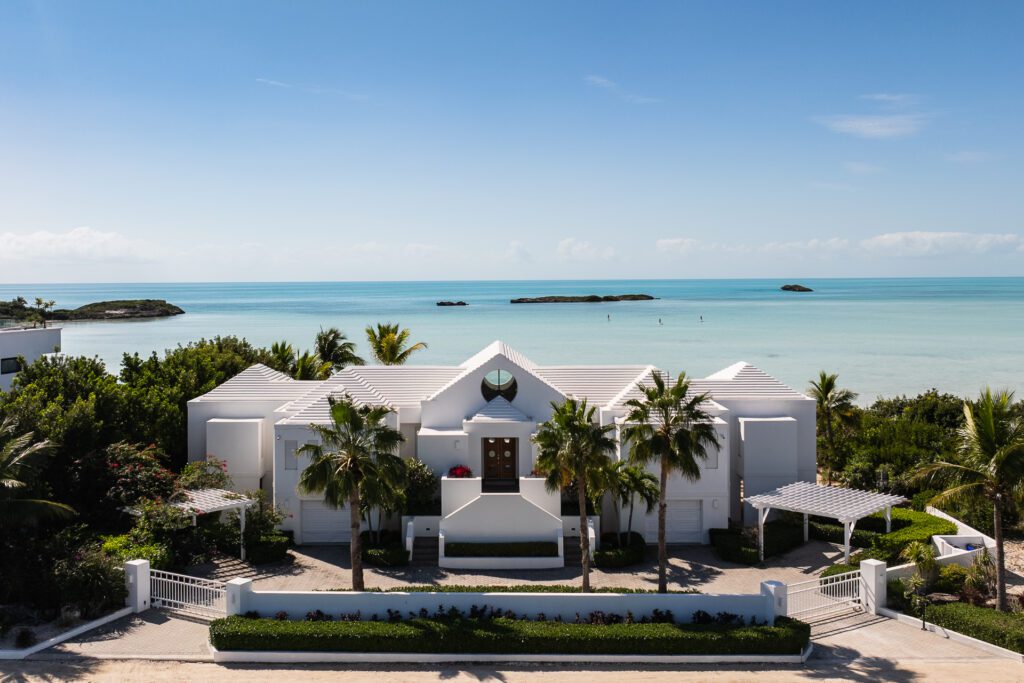
Beyond Accommodations: The Value of Service
Luxury villas offer a particularly compelling example of how hospitality can transform a destination experience.
Unlike traditional accommodations, high-end villas often provide an extensive network of services designed to anticipate guests’ needs throughout their stay.
A dedicated villa host may coordinate reservations, transportation, excursions, and special requests. Additional staff can include butlers, housekeepers, private chefs, and other professionals. Some properties offer fully serviced experiences comparable to private resorts, combining the amenities of luxury accommodations with the privacy of an individual residence.
Oceanfront views, expansive interiors, private pools, and sophisticated architecture may attract prospective guests. But exceptional service can distinguish one property from another.
At the highest levels of hospitality, luxury is defined not only by what a property offers, but by how effortlessly guests can enjoy it.
A single luxury property can generate demand across multiple sectors of the local economy.
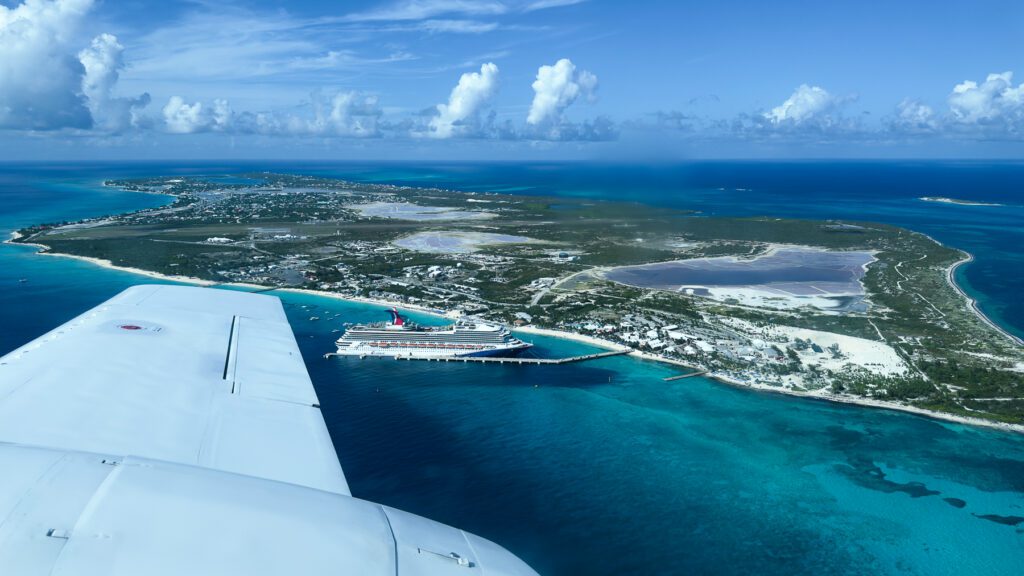
Making the Journey Part of the Experience
The geography of Turks and Caicos also creates opportunities for hospitality businesses.
Although Providenciales serves as the primary international gateway, travelers can explore other islands through domestic flights, ferries, private aviation, and boat charters.
These transportation options connect visitors with secluded beaches, smaller communities like South Caicos or North & Middle Caicos, and recreational experiences throughout the archipelago.
What might otherwise be considered a logistical challenge becomes another opportunity to enhance the journey.
The destination’s relatively remote setting is no longer simply a geographic characteristic. It becomes part of its appeal.
Privacy, seclusion, and limited accessibility can carry considerable value for travelers seeking experiences removed from crowded destinations.
Turks and Caicos demonstrates how a destination can develop a layered hospitality economy around its natural advantages.
Its beaches, waters, and islands attract visitors.
Its accommodations, recreational experiences, excursions, transportation, dining, and personalized services create opportunities for visitors to explore the destination while supporting businesses throughout the islands.
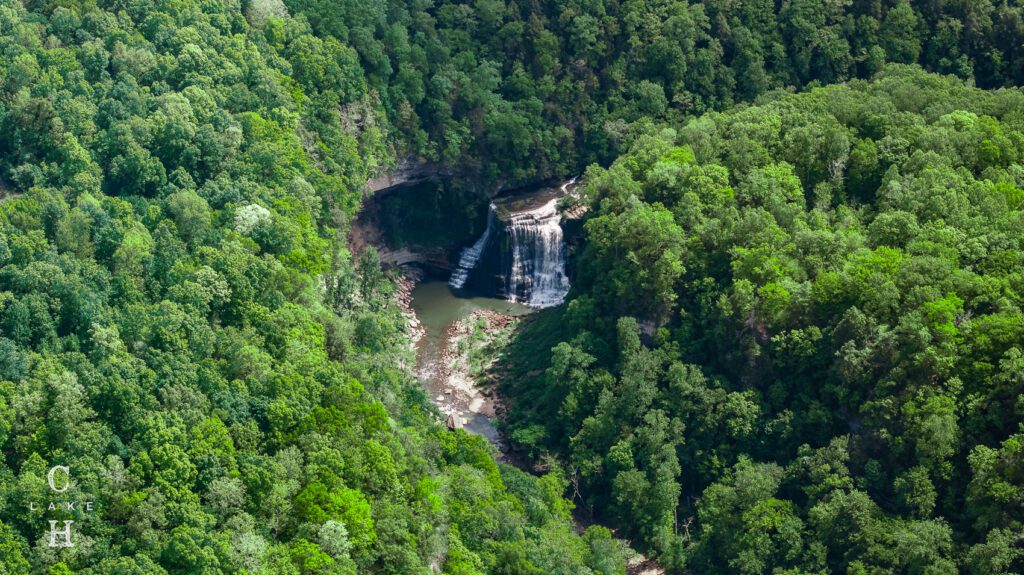
Case Study Two: Tennessee’s Upper Cumberland — Building Around the Destination
Thousands of miles from the turquoise waters of the islands, Tennessee’s Upper Cumberland region offers a different perspective on the relationship between natural attractions and hospitality development.
Characterized by rolling farmland, forested landscapes, waterfalls, rivers, and expansive lakes, the region has long attracted outdoor enthusiasts seeking recreation and scenic escapes.
Among its most recognizable destinations are Cummins Falls State Park, Burgess Falls State Park, Rock Island State Park, Dale Hollow Lake and Center Hill Lake.
These attractions provide a foundation for regional tourism, drawing visitors in. The region also benefits from Tennessee’s geographic position within the United States. Situated within driving distance of major population centers, Middle Tennessee is accessible to travelers seeking weekend getaways and extended vacations.
For rural communities, this accessibility creates opportunities to attract visitors without relying exclusively on air travel or large-scale tourism infrastructure.
In 2025, tourism generated a record $32.5 billion in direct visitor spending across Tennessee, including $549.4 million in the 14-county Upper Cumberland region. These figures demonstrate the economic significance of an established tourism market—and the opportunity to build on that demand through expanded accommodations.

Extending the Visitor Experience
For destinations built around outdoor recreation, attracting visitors is only the first step.
The greater opportunity often lies in encouraging them to spend more time in the surrounding community.
A weekend can become an extended vacation when travelers discover enough experiences to fill their itinerary.
The more accessible and enjoyable a destination becomes, the more opportunities emerge for entrepreneurs to serve its visitors.
In turn, the availability of accommodations and recreational services can strengthen the destination’s overall appeal.
The attraction creates the initial demand. Hospitality provides the infrastructure that allows a community to benefit from it.
Where Destination Meets Experience
Despite their differences, Turks and Caicos and Tennessee’s Upper Cumberland illustrate a shared economic opportunity: building hospitality industries around the natural attractions that already bring visitors to a destination.
For established tourism markets, the opportunity lies in refining and expanding the experiences available. For emerging destinations, it lies in developing the infrastructure, businesses, and services that encourage visitors to stay longer and contribute more to the local economy.
But successful hospitality development requires more than attracting visitors. It requires understanding what makes a destination distinctive and creating experiences that complement its character.
The goal is not necessarily to attract the greatest possible number of visitors, but to create lasting economic value through experiences and opportunities for local businesses.
For destinations already attracting visitors, the next stage of economic growth lies in developing the hospitality industries that support them. Accommodations, dining, recreation, and complementary services create opportunities for new businesses, investment, employment, and sustained economic activity.
Natural attractions create the demand. Hospitality builds the economy around it.